





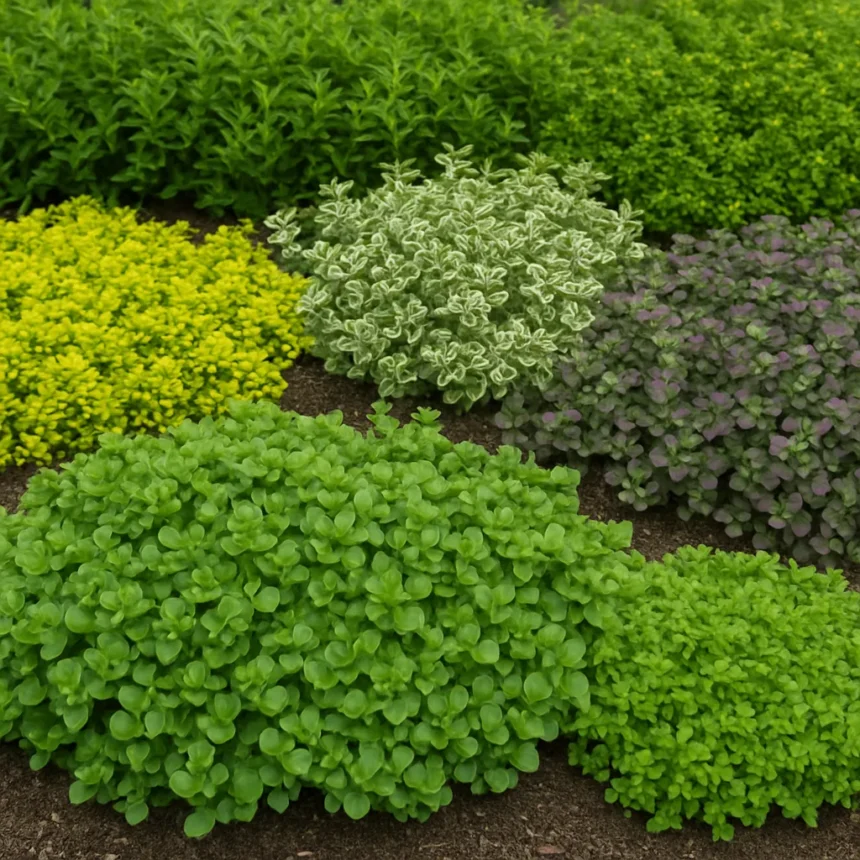
Ground cover plants are fast-spreading vegetation that suppresses weeds by forming dense mats blocking light and shading out competitors. Instead of reaching for chemical herbicides, gardeners increasingly turn to these low-maintenance options to cover exposed soil where weeds thrive.
Key Takeaways
- Ground cover plants create dense mats that block sunlight and prevent weed germination naturally.
- Most recommended varieties offer drought tolerance once established and require minimal maintenance.
- Fast-spreading ground covers also control erosion, attract pollinators, and add visual interest to yards.
- Spacing and site conditions (shade, sun, soil type) determine how quickly coverage establishes.
- Chemical weed killers pose environmental risks that ground covers avoid entirely.
Why Ground Cover Plants Beat Herbicides
Chemical weed killers carry environmental costs that make ground cover plants an increasingly attractive alternative. These fast-spreading plants not only beautify your yard but act like natural weed suppressors by forming dense mats that block light, shade out competitors, and cover exposed soil that weeds love to invade. Once established, they require far less maintenance than repeated herbicide applications.
The advantage is straightforward: a thriving ground cover eliminates the bare patches where weeds establish. Rather than fighting an endless battle against persistent weeds, you’re replacing them with plants that outcompete them through sheer vigor and density. This approach works across diverse garden conditions—from shaded woodland edges to sun-baked slopes.
Five Ground Cover Plants That Stop Weeds
Selecting the right ground cover depends on your climate zone, light conditions, and soil type. Vigorous spreaders like Ajuga (bugleweed) thrive in shade and part-sun areas, producing blue-violet flowers while forming dense colonies that choke out weeds. Pachysandra creates glossy, low-growing mats ideal for shaded spaces where little else flourishes, offering year-round coverage without fuss.


For sunnier spots, Cranesbill Geranium performs well along walkways and in rain gardens, spreading steadily while displaying attractive foliage and flowers. Mondo Grass and Liriope varieties are vigorous and easy-spreading, adapting to various conditions while resisting deer browsing. If you prefer fragrant options, Sweet Woodruff thrives in moist shade and adds delicate appeal while suppressing weeds effectively.
Other noteworthy alternatives include Golden Creeping Jenny (chartreuse foliage tolerating sun or shade), Lamium or Dead Nettle (silvery foliage for erosion control), Variegated Flax Lily (clump-spreading for zones 8–11), and native options like Silverweed (stolons spreading in moist soil) or Prairie Sage (prolific spreader and butterfly host). Virginia Creeper offers vine-like growth supporting wildlife, though it requires space to spread without overwhelming neighboring plants.



Establishment Time and Spacing Considerations
Ground cover plants work best when spaced appropriately to ensure quick coverage. Medium growers like Hardy Geranium and Pachysandra perform well when spaced 12–18 inches apart, while slower spreaders benefit from 18–24 inch spacing to fill gaps faster. This initial investment in proper spacing pays dividends within one to two growing seasons as plants mature and establish drought tolerance.
Patience is essential—ground covers typically require a full season or two before they achieve complete weed suppression. During establishment, supplemental watering and occasional weeding may be necessary. However, once plants mature and their root systems deepen, they become remarkably self-sufficient and drought-tolerant, requiring minimal intervention compared to the ongoing effort herbicides demand.
Managing Vigorous Spreaders Responsibly
Some ground covers spread with such enthusiasm that they can outcompete other plants if left unchecked. Golden Ragwort self-sows vigorously, and Virginia Creeper spreads aggressively, making them excellent for problem areas but requiring boundaries in mixed plantings. The key is matching plant vigor to your garden’s available space and your willingness to occasionally redirect growth.
This isn’t a weakness—it’s the very trait that makes these plants effective weed suppressors. A plant aggressive enough to choke out weeds will naturally prevent other unwanted vegetation from establishing. The trade-off is simple: manage your ground covers intentionally, or manage your weeds chemically. Most gardeners find the former far more rewarding and sustainable.



Native Ground Covers for Ecological Benefit
Choosing native ground cover plants amplifies environmental benefits beyond weed suppression. Native species like Silverweed (stolons spreading through moist soil, 6–12 inches tall) and Prairie Sage (prolific spreader and butterfly host) support local ecosystems while controlling weeds. These plants have evolved to thrive in your region’s climate, requiring less water, fertilizer, and pest management than non-native alternatives.
Native ground covers also provide habitat and food for pollinators and other wildlife, transforming your yard into a functional ecosystem rather than a monoculture fighting against nature. This ecological approach aligns with growing interest in sustainable gardening practices that prioritize long-term soil health and biodiversity.
Is ground cover plants the best weed control method?
Ground cover plants excel at weed suppression but work best as a preventive strategy rather than a cure for established weed infestations. For heavily weeded areas, removing existing weeds before planting ground covers accelerates success. Once established, ground covers provide superior long-term weed control compared to repeated herbicide applications, with the added benefits of erosion control, pollinator attraction, and visual appeal.
How long does it take ground cover plants to cover bare soil completely?
Most ground covers establish complete coverage within 12–24 months, depending on spacing, plant vigor, growing conditions, and climate. Medium-growing varieties spaced 12–18 inches apart typically fill in faster than slower spreaders. Once established, these plants require minimal maintenance while continuously outcompeting weeds through their dense growth.
Can ground cover plants work in shaded areas?
Many excellent ground covers thrive in shade, including Ajuga, Pachysandra, Sweet Woodruff, and Lamium. These shade-tolerant varieties spread vigorously despite limited sunlight, making them ideal for woodland edges, under trees, and north-facing slopes where traditional weeds also struggle. Selecting shade-appropriate varieties ensures success in even the most challenging garden locations.
Choosing ground cover plants over chemical herbicides represents a shift toward sustainable, low-maintenance gardening that works with nature rather than against it. These vigorous spreaders handle the hard work of weed suppression while beautifying your yard, supporting wildlife, and protecting the environment. Whether you select shade-loving Pachysandra, sun-tolerant Geranium, or native Prairie Sage, you’re investing in a solution that improves your garden year after year with minimal effort.
Where to Buy
CobraHead Original Weeder & Cultivator Garden Hand Tool:
Edited by the All Things Geek team.
Source: Tom's Guide




