


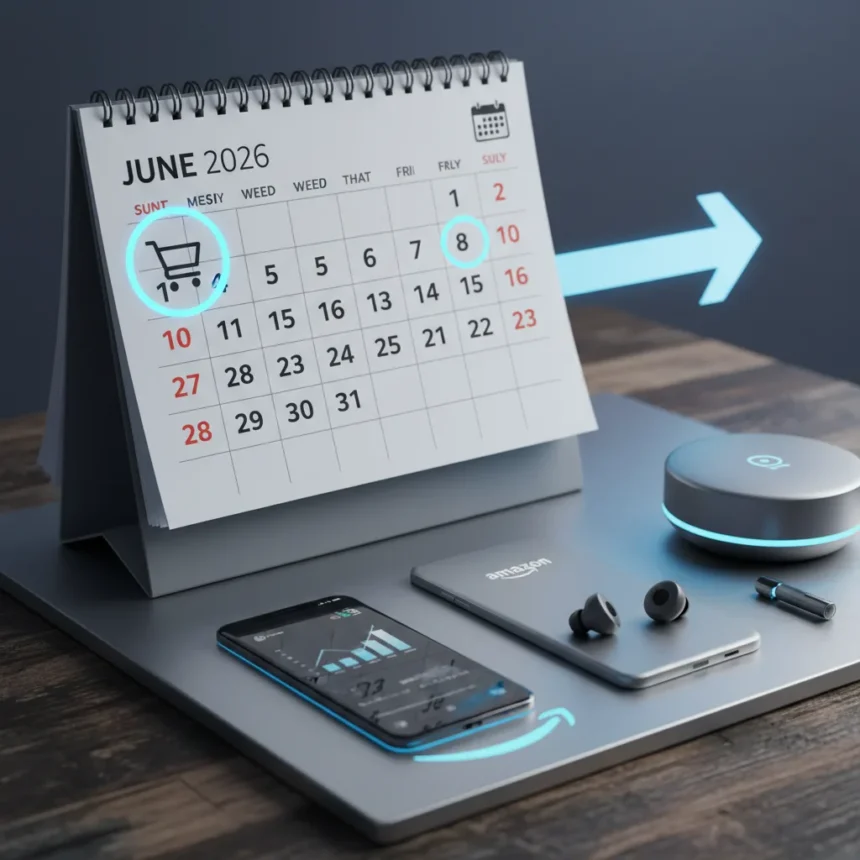
Amazon Prime Day 2026 is officially confirmed, and the e-commerce giant is breaking with years of tradition by moving the event to late June instead of its historically typical mid-July window. This timing shift signals a strategic change in how Amazon plans to capture summer shopping momentum and compete in the broader retail calendar.
Key Takeaways
- Amazon Prime Day 2026 is scheduled for late June, departing from the traditional mid-July timing
- Exact dates have not yet been officially confirmed by Amazon as of late April 2026
- The shift represents a notable change in the retail event’s annual calendar positioning
- Shoppers should prepare earlier than in previous years due to the new scheduling
- The move may influence competitor sales events and broader summer retail strategy
Why Amazon is Moving Prime Day Earlier
The shift to late June represents a deliberate strategic repositioning. By moving Prime Day forward, Amazon gains a critical advantage: capturing early summer spending before consumers have committed their budgets elsewhere. Mid-July Prime Days often competed with back-to-school shopping prep and other mid-summer sales events. Late June positioning allows Amazon to dominate the post-Father’s Day, pre-Fourth of July shopping window when consumer intent remains high but competition is lighter.
This timing change also aligns with broader retail trends. Many major retailers have begun shifting their seasonal events earlier to capture consumer attention sooner. Amazon’s move reflects this industry-wide recognition that the traditional summer calendar no longer applies — consumers now shop across a compressed, earlier timeframe.
What This Means for Prime Members
For Prime subscribers, the late June timing creates both opportunity and urgency. Shoppers accustomed to waiting until mid-July will need to adjust their calendars and budget planning. The earlier date means less time to save for the event, but also less competition from other summer sales pushing into the same period.


The exact dates remain unconfirmed, which creates uncertainty for deal hunters planning their strategies. Historically, Prime Day has run for 48 hours, but Amazon has experimented with extended formats in recent years. Without official confirmation of the precise dates, savvy shoppers should monitor Amazon’s announcements closely starting in May to lock in their calendar and prepare wish lists in advance.
How This Affects Retail Competition
Amazon Prime Day 2026’s earlier timing will likely force other retailers to recalibrate their summer event schedules. Competitors who traditionally counter-program against mid-July Prime Day may need to shift their own sales events forward or risk being overshadowed. This ripple effect could reshape the entire summer retail landscape, with more compressed competition in June and a quieter period in July.



The move also gives Amazon more breathing room before Black Friday season dominates the retail calendar. Rather than sandwiching Prime Day between summer shopping and holiday prep, the late June positioning creates a distinct shopping season that stands on its own merit.
When Should You Start Preparing?
Smart shoppers should begin monitoring Amazon’s official announcements in May 2026. Creating wish lists early, tracking price histories on items you want, and understanding Amazon Prime membership benefits will give you an edge when the event officially launches. The earlier timing means less procrastination room — waiting until the last moment could mean missing out on limited inventory deals.
Will Amazon Prime Day 2026 have the same deals as previous years?
Amazon has not yet disclosed the specific deal structure or categories that will be featured in Prime Day 2026. Historically, the event covers electronics, home goods, fashion, and more, with steep discounts available exclusively to Prime members. The shift to late June should not fundamentally change the types of deals offered, though inventory and availability may differ from previous years.
What products typically go on sale during Prime Day?
Amazon Prime Day traditionally features discounts across nearly every category: smart home devices, streaming gadgets, laptops, tablets, kitchen appliances, fashion items, and more. The event is particularly known for steep discounts on Amazon’s own devices like Fire tablets and Echo speakers. The late June timing should not change which product categories participate, though early summer inventory may vary from mid-July stock.



Should I wait for Prime Day 2026 to buy electronics?
If you can wait until late June, Prime Day typically offers some of the year’s best prices on electronics. However, waiting comes with risk — popular items sell out quickly, and you may miss out if you hesitate. The earlier June timing means less time to decide, so identify priority purchases now and monitor price trends leading up to the event.
Amazon Prime Day 2026’s move to late June marks a genuine shift in retail strategy, not just a minor calendar adjustment. Shoppers who adapt early will be better positioned to capitalize on deals, while those still expecting mid-July timing risk missing the window entirely. Keep an eye on Amazon’s official channels for confirmed dates as May approaches.
Where to Buy
This article was written with AI assistance and editorially reviewed.
Source: What Hi-Fi?