





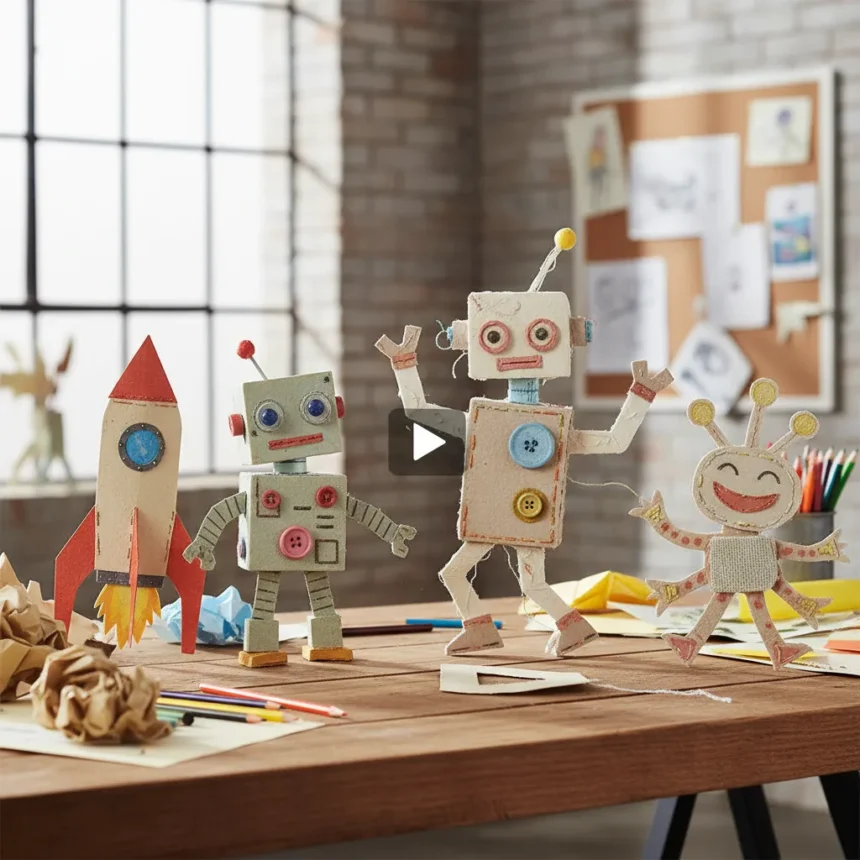
Handcrafted animation design is emerging as a deliberate counterweight to the sterile perfection that has dominated digital culture for years. Canva, the design platform, is using this approach to challenge the relentless polish of contemporary design culture by embracing intentional imperfection in its advertising.
Key Takeaways
- Canva’s new ads use handcrafted animation to celebrate imperfection and reject overly polished aesthetics.
- The campaign positions handcrafted animation design as a cultural statement against slick, corporate design norms.
- Intentional imperfection is becoming a competitive differentiator in brand positioning.
- This shift reflects broader creative exhaustion with algorithmic perfection and AI-generated smoothness.
- Handcrafted approaches signal authenticity and human creativity in an increasingly automated design landscape.
Why Polished Design Culture Has Become a Liability
For the past decade, design has chased an impossible ideal: flawless surfaces, perfect symmetry, algorithmic precision. Every gradient smooth, every curve mathematically optimal, every color scientifically calibrated. The result? A visual landscape so homogeneous that distinguishing one brand from another requires reading the logo. Polished design culture has become the aesthetic equivalent of white noise—everywhere and nowhere at once.
This uniformity exists partly because tools democratized access to design, but partly because those tools embedded a bias toward perfection. Templates reward consistency. Algorithms optimize for smoothness. Stock imagery celebrates polish. A designer working within these systems faces constant pressure to sand away quirks, hide imperfections, and match the prevailing standard. What once felt aspirational now feels exhausting.
Canva’s decision to use handcrafted animation design in its advertising is a direct rejection of this exhaustion. By deliberately introducing visible human touch—wobbling lines, irregular spacing, the kind of imperfections that would normally trigger a redesign—the platform is making a statement about what design should actually be. It is not about technical incompetence masquerading as authenticity. It is about reclaiming intentionality.

Handcrafted Animation Design as Cultural Pushback
Handcrafted animation design carries weight because it is the opposite of algorithmic. Where AI-generated imagery aims for photorealistic perfection, handcrafted work shows the hand of the creator. Slight variations in line weight, asymmetrical compositions, the kind of organic movement that cannot be coded into a motion library—these become markers of authenticity precisely because they refuse optimization.
Canva’s approach celebrates imperfection not as an accident but as a design choice. This distinction matters. Imperfection deployed strategically reads as human judgment; imperfection that appears accidental reads as incompetence. The platform is betting that audiences—especially creative professionals—are tired enough of algorithmic smoothness to recognize and appreciate the difference.



The cultural moment is right for this message. Designers increasingly express frustration with tools that enforce uniformity. Brands are discovering that standing out requires breaking the rules that made them invisible in the first place. And audiences are developing skepticism toward images that are too perfect, too symmetrical, too obviously processed. Handcrafted animation design taps into all three of these tensions simultaneously.
What Handcrafted Animation Design Signals About Brand Identity
When a brand chooses handcrafted animation design over polished computer rendering, it is making a claim about its values. It is saying: we prefer human creativity over algorithmic efficiency. We believe imperfection communicates more than perfection. We are willing to look less professional in order to look more real.
This is a calculated risk. Handcrafted work can read as unfinished or low-budget if executed without intention. But when done deliberately—when the wobble is precise, the irregularity is consistent, the imperfection is clearly a choice—it becomes a powerful differentiator. It says the brand understands that audiences have become numb to polish and are actively seeking something different.
Canva’s position as a design platform makes this move particularly smart. The company sells tools to millions of creators who struggle against the tyranny of templates and perfectionism. By using handcrafted animation design in its own advertising, Canva is modeling an alternative: that good design does not require perfection, that human touch matters, that imperfection can be a strength rather than a flaw. It is not just selling a product; it is selling a philosophy about what design should be.



Is the shift toward handcrafted animation design a lasting trend or a temporary rebellion?
Handcrafted animation design will likely persist as a niche aesthetic rather than replacing polish entirely. However, its growing visibility signals that audiences are hungry for alternatives to algorithmic uniformity. Brands that adopt this approach early gain differentiation; those that follow too late risk looking like they are chasing a trend rather than leading one. The key is execution—the imperfection must be intentional, not accidental.
How does handcrafted animation design differ from amateur design?
Handcrafted animation design is intentional and consistent; amateur design is unintentional and inconsistent. A wobbling line in a professional handcrafted animation serves a purpose and appears throughout the work. The same wobble in amateur design appears random and suggests technical limitation. Intent is the dividing line between authenticity and incompetence.
Why would a major brand risk looking less polished in its advertising?
Polished design has become invisible because it is everywhere. By deliberately introducing imperfection, a brand breaks through the visual noise and signals that it understands audience fatigue with algorithmic perfection. This is especially effective for brands targeting creative professionals who are most aware of and most frustrated by design uniformity. The calculated risk of looking less slick pays off by looking more human.
Canva’s use of handcrafted animation design is not a rejection of quality—it is a redefinition of what quality means. In a landscape saturated with algorithmic perfection, the ability to make deliberate imperfection feel intentional and valuable becomes the real marker of design skill. The brand is betting that audiences will recognize and reward this shift, and the early response suggests they are right to do so.
Edited by the All Things Geek team.
Source: Creativebloq




