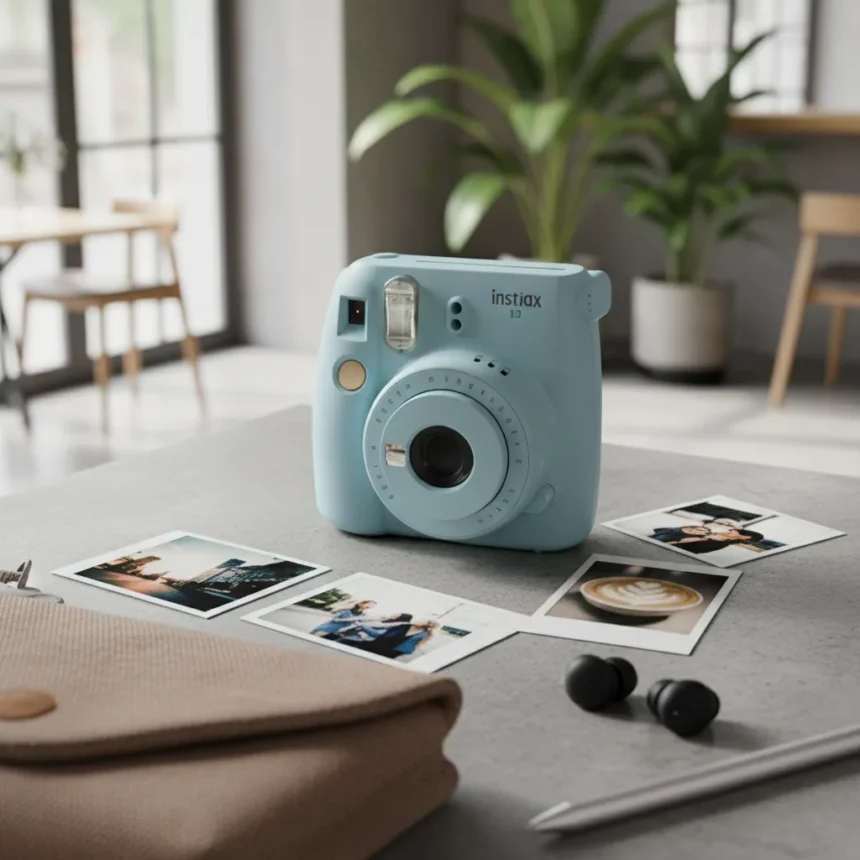
Fujifilm Instax Mini 13 is a compact instant camera made by Fujifilm that delivers physical prints moments after you press the shutter. The camera has quietly become one of the most compelling reasons to reconsider instant photography in an era dominated by smartphone snapshots and digital archives. What makes this particular model stand out is not revolutionary technology—it’s the thoughtful refinement of a proven formula, paired with features that actually address what users want from an instant camera.
Key Takeaways
- Fujifilm Instax Mini 13 adds new features that make instant photography appealing again to skeptical users.
- The camera is designed as a portable, carry-anywhere instant device.
- Instax cameras are consistently described as fun and delightful to use in practice.
- The Mini 13 represents a meaningful update to the instant camera category.
- Instant photography appeals to users seeking tangible, physical memories.
Why Instant Cameras Matter Again
Instant cameras occupy a strange cultural moment. They are not the fastest way to capture memories, nor the highest resolution, nor the most shareable. Yet they persist because they offer something digital devices cannot: a physical object you can hold, display, and hand to someone else immediately. The Fujifilm Instax Mini 13 recognizes this and leans into it. Rather than chasing technical specs, the camera focuses on making the experience of shooting and sharing instant prints genuinely enjoyable. This is the opposite of smartphone camera logic, which prizes computational power and post-processing options. An instant camera succeeds when it gets out of your way.
The resurgence of instant photography reflects a broader cultural shift toward tactile, analog experiences. Younger photographers who grew up entirely digital are discovering the appeal of something immediate and irreversible. You cannot delete an instant print. You cannot edit it. You cannot filter it. That constraint is liberating rather than limiting—it forces you to be present when you shoot, and it makes the resulting image feel more genuine because it is unmanipulated. The Fujifilm Instax Mini 13 taps into this desire by remaining simple enough that anyone can use it, yet refined enough that the results feel intentional.
What the Fujifilm Instax Mini 13 Actually Adds
The Fujifilm Instax Mini 13 introduces several features that distinguish it from earlier instant camera models. Most , the camera adds a timer function, which solves one of the oldest problems with instant photography: how do you include yourself in the shot? Previous Instax users had to either hand the camera to someone else, use a mirror trick, or accept being left out of their own memories. A built-in timer removes that friction. It is a small feature on paper, but in practice it changes how you use the camera. Suddenly, group shots and self-portraits become viable without requiring a third person or a makeshift setup.
Beyond the timer, the Mini 13 maintains the core appeal that made Instax cameras beloved in the first place: they are genuinely fun to use. The physical act of shooting—winding the film advance, hearing the shutter, watching the print emerge from the camera—creates a ritual that smartphone photography lacks entirely. This tactile feedback is not nostalgia. It is a deliberate design choice. The camera does not try to be smart or connected. It does not suggest filters or optimize your composition. It simply captures what you point it at and hands you a print. For many users, that simplicity is the entire appeal.
Fujifilm Instax Mini 13 vs. the Instant Camera Market
The instant camera market includes several competitors, though none have achieved the cultural penetration of Instax. The Fujifilm Instax Mini 13 competes implicitly against older Instax models by offering meaningful upgrades—the timer being the most obvious—while maintaining the same compact form factor and film compatibility. Other instant camera brands exist, but Instax has become almost synonymous with instant photography for a generation of users. The Mini 13 reinforces that position by delivering the features users actually want rather than chasing technical specifications that would only complicate the experience.



What separates the Fujifilm Instax Mini 13 from digital cameras is not performance—it is purpose. A digital camera aims to capture every detail with maximum fidelity. An instant camera aims to create a moment and move on. The Mini 13 understands this distinction and executes it well. The prints are small, which forces you to be intentional about composition. The film is expensive, which discourages mindless shooting. The results are permanent, which makes each shot feel consequential. These constraints are features, not bugs.
Should You Buy the Fujifilm Instax Mini 13?
The Fujifilm Instax Mini 13 is worth considering if you value the experience of photography over the technical output. If you enjoy the ritual of shooting, the surprise of seeing a physical print emerge from the camera, and the ability to hand someone a tangible memory, then the Mini 13 delivers on all counts. It is not a camera for perfectionists or technical enthusiasts. It is a camera for people who want to step away from screens and create something immediate and real.
The camera is also genuinely portable. It is small enough to fit in a bag without dominating space, yet substantial enough to feel intentional in your hands. This makes it ideal for travel, events, or casual daily use. You are not carrying a heavy camera system with multiple lenses and accessories. You are carrying a simple, focused tool that does one thing well.
Does the Fujifilm Instax Mini 13 have a timer?
Yes. The Fujifilm Instax Mini 13 includes a built-in timer function, which is one of its key updates from earlier Instax models. This allows you to take self-portraits and group shots without needing someone else to operate the camera.



What film does the Fujifilm Instax Mini 13 use?
The Fujifilm Instax Mini 13 uses Instax Mini instant film, which produces small prints. This film is widely available and compatible with other Instax Mini cameras, giving you flexibility in where you purchase supplies.
Is instant photography actually worth it in 2025?
Instant photography appeals to users seeking a break from digital screens and a way to create tangible, physical memories. If you value the experience and ritual of photography over technical image quality, instant cameras offer genuine value. The Fujifilm Instax Mini 13 makes this case more convincingly than most alternatives by combining simplicity with thoughtful features that address real user needs.
The Fujifilm Instax Mini 13 succeeds because it does not pretend to be something it is not. It is not a high-fidelity camera. It is not a smartphone replacement. It is a focused tool designed to make instant photography enjoyable and accessible. In a market saturated with devices that try to do everything, that clarity of purpose is increasingly rare—and increasingly valuable. If you have ever felt the appeal of holding a physical photograph moments after taking it, the Mini 13 is worth your attention.
Where to Buy
Edited by the All Things Geek team.
Source: Android Central