





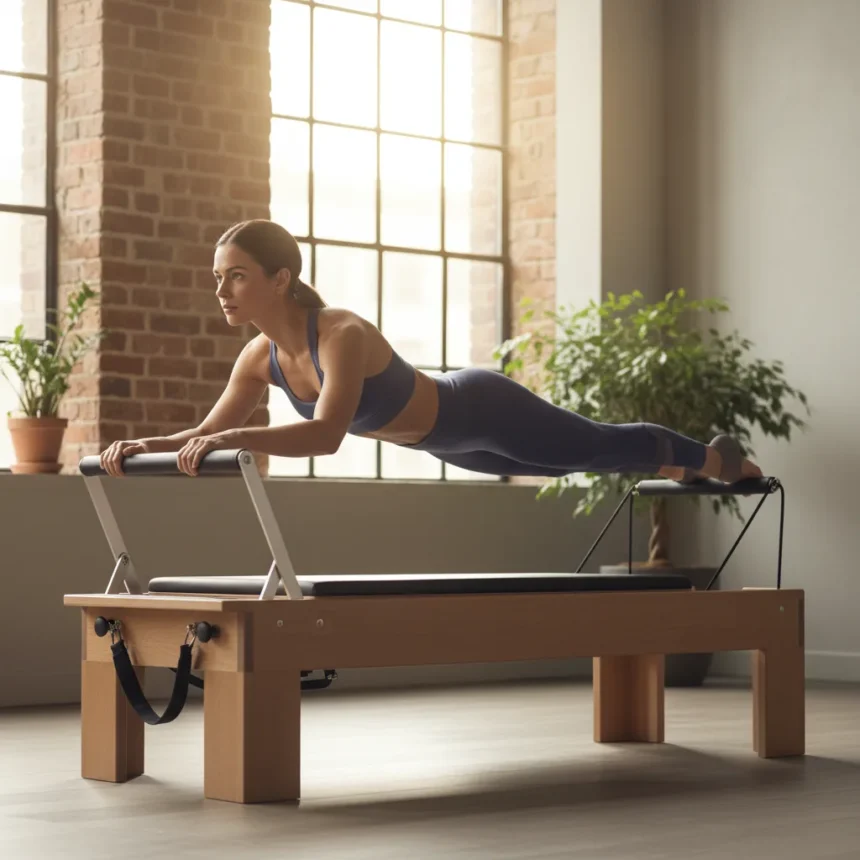
Deep core activation has become a central focus in modern fitness training, with Pilates emerging as one of the most effective methods to target these stabilizing muscles. The concept refers to engaging the deepest layers of abdominal and spinal muscles that support posture, balance, and functional movement patterns. Unlike traditional sit-ups that work only surface-level abs, deep core activation addresses the transverse abdominis and multifidus—muscles that form the foundation of spinal stability and proper alignment.
Key Takeaways
- Deep core activation engages stabilizing muscles deeper than surface abdominals, improving spinal support and posture.
- Pilates exercises target hip flexors while strengthening the deep core simultaneously through controlled movement.
- Proper form and breathing technique are essential—shallow execution produces minimal benefit.
- Consistent practice over weeks, not days, produces measurable improvements in posture and functional strength.
- Deep core work complements but does not replace full-body strength training routines.
Why Deep Core Activation Matters More Than You Think
The deep core muscles act as an internal corset, stabilizing your spine during daily movement. When these muscles are weak or inactive, your body compensates by relying on surface abdominals and hip flexors, leading to poor posture, lower back pain, and reduced athletic performance. Deep core activation directly addresses this compensation pattern by teaching your nervous system to engage the right muscles at the right time.
Most people spend hours sitting, which deactivates the deep core and tightens hip flexors. Pilates reverses this pattern through deliberate, controlled movements that demand constant stabilization. The difference between a standard crunch and a deep core Pilates exercise is the difference between isolation and integration—one muscle versus an entire support system working in concert.
How Pilates Targets Deep Core and Hip Flexors Simultaneously
Pilates exercises designed for deep core activation inherently engage the hip flexors because these muscle groups work together during controlled leg movement and spinal stabilization. When you perform a Pilates move that requires you to lift or lower your legs while maintaining a neutral spine, your deep core must contract to prevent your lower back from arching, while your hip flexors lengthen or strengthen depending on the movement direction.

This simultaneous engagement is crucial. Hip flexor tightness is endemic in desk-bound populations, and stretching alone rarely solves the problem. Pilates strengthens these muscles through active, controlled ranges of motion, improving both mobility and functional strength. The key is moving slowly enough that you feel the work in your core and hips, not momentum carrying you through the exercise.
The Posture Problem Pilates Actually Solves
Poor posture stems from muscular imbalance, not willpower. Your chest and front shoulders are often tight and overactive, while your upper back and deep core are weak and inactive. This creates the forward slouch that characterizes modern posture. Deep core activation through Pilates rebalances this equation by strengthening the muscles that pull you upright and stable.



When your deep core is active, your ribs sit properly over your pelvis, your shoulders naturally retract, and your head aligns with your spine. You stand taller without conscious effort because the supporting muscles are doing their job. This is why people who practice Pilates regularly report improved posture—they have built the muscular foundation that makes good posture automatic rather than exhausting.
Execution Separates Results From Wasted Time
The single biggest mistake people make with deep core activation exercises is moving too fast or too carelessly. Momentum is the enemy of deep core work. A sloppy repetition teaches your body nothing; a slow, controlled repetition with proper breathing activates the target muscles and builds neural pathways that carry over into daily movement.
Breathing is non-negotiable. Exhale as you engage your core and perform the hardest part of the movement; inhale as you return to the starting position. This breathing pattern synchronizes with muscle activation and prevents breath-holding, which reduces core engagement. Most people either hold their breath or breathe backwards, both of which undermine the exercise.
What Results Actually Look Like
Expect measurable changes in 3-4 weeks of consistent practice, not days. Your posture will improve noticeably—you will catch yourself standing straighter without conscious effort. Lower back pain often diminishes as your deep core stabilizes the spine. You will feel more stable during other exercises and daily activities like carrying groceries or playing with children. Hip flexor tightness decreases as these muscles strengthen and lengthen through controlled movement.



These changes are functional, not cosmetic. Your waist may not shrink, but your spine will be healthier and your movement more efficient. This is why Pilates attracts both athletes and people recovering from injury—it builds strength in the right way, addressing root causes rather than surface symptoms.
How Deep Core Activation Fits Into Your Training Week
Deep core work should not replace your full-body strength training or cardio. Instead, it should complement these modalities by building the foundational stability that makes all other training safer and more effective. A 10-minute Pilates session targeting deep core activation 3-4 times per week is sufficient for most people. Add it at the end of your strength routine or as a separate session on lighter training days.
The principle is consistency over intensity. Doing deep core activation exercises twice a week with perfect form beats doing them five times per week with poor form. Your nervous system learns from quality repetitions, not volume. Once your deep core is reliably activated, you can progress to more challenging variations or integrate these principles into other exercises.
Common Mistakes That Kill Your Progress
Arching your lower back during leg lifts is the most common error—it means your deep core is not engaged and your hip flexors are taking over. Your lower back should remain neutral and stable throughout the movement. If you cannot maintain this position, the exercise is too advanced or you are moving too fast. Reduce the range of motion or slow down until you can execute with perfect form.
Another mistake is shallow breathing or breath-holding. Your diaphragm and deep core work together. Holding your breath disconnects this partnership and reduces core activation. Breathe deliberately and continuously, exhaling during the exertion phase. This feels awkward at first but becomes automatic with practice.
Does deep core activation really improve posture?
Yes, when practiced consistently with proper form. Posture improves because the muscles supporting your spine become stronger and more responsive. Poor posture is a symptom of muscular imbalance—deep core activation addresses the root cause by strengthening the muscles that hold you upright. Results typically appear within 3-4 weeks of regular practice, though significant postural changes may take 8-12 weeks.
How often should I do deep core activation exercises?
Three to four times per week is ideal for most people. This frequency allows sufficient stimulus for adaptation without overtraining. Quality matters far more than frequency—one perfectly executed 10-minute session is more valuable than three sloppy 20-minute sessions. You can perform deep core work on the same day as other training or on separate lighter days.
Can deep core activation replace traditional abs exercises?
It serves a different purpose. Traditional abs exercises like crunches target the rectus abdominis, the visible six-pack muscle. Deep core activation targets the deeper stabilizing muscles that support your spine and posture. Both have value—deep core work should not replace all abs training, but it should form the foundation of your core routine. A balanced approach includes both deep core activation and surface abdominal work.
Deep core activation through Pilates is not trendy—it is biomechanically sound and backed by decades of practice. The results are subtle at first but compound over time. Your posture improves, your back feels stronger, and your movement becomes more efficient. This is not magic, just muscle physiology working as designed. Commit to consistent, careful practice and you will feel the difference.
Edited by the All Things Geek team.
Source: Tom's Guide




