


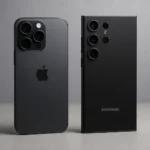



Apple smart home devices have been sitting in warehouses for months, fully manufactured but frozen in limbo. The reason? Siri isn’t ready yet. According to Mark Gurman at Bloomberg, Apple has at least four finished products waiting for Siri functionality and Apple Intelligence features to arrive in iOS 27, tvOS 27, and HomePod 27 software before they can launch. This delay reveals a fundamental problem: Apple refuses to ship new smart home hardware without the software intelligence to power it, even if that means leaving revenue on the table.
Key Takeaways
- Apple has seven rumored smart home devices ready but delayed pending Siri and Apple Intelligence upgrades
- Products include HomePod mini 2, new Apple TV 4K, full-sized HomePod 3, and a HomeHub smart display with Face ID
- Security cameras and doorbell with Face ID expected late 2026
- Siri delays originally pushed products from 2025 into 2026, possibly spring launch with iOS 27
- Apple’s smart home push lags competitors like Amazon and Google by years
What Apple’s Warehoused Smart Home Devices Actually Are
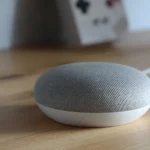
The core of Apple’s 2026 smart home expansion rests on four products that are essentially finished. The HomePod mini 2 brings no major design overhaul but includes a new S-series chip based on Apple Watch Series 10 architecture, potential sound improvements, real-time computational audio, Bluetooth 5.3, and a second-generation Ultra Wideband chip. A new Apple TV 4K rounds out the streaming hub lineup. The full-sized HomePod 3 represents Apple’s attempt to reclaim the premium speaker market it abandoned years ago.
But the real star is the HomeHub, also called HomePad or HomePod Touch—a smart display with a presence sensor, built-in camera for Face ID user recognition, and the A18 chip to run Apple Intelligence locally. This device is the linchpin of Apple’s entire smart home strategy. It runs Safari, Apple Music, Notes, Calendar, Photos, and Apple News without access to a dedicated App Store, positioning it as a control center rather than a general-purpose tablet. Two form factors are planned: a wall-mounted version and a speaker-base design similar to the HomePod mini.
Apple Smart Home Devices Get Security Hardware in Late 2026
Beyond the core control hubs, Apple is building out security. Indoor security cameras and a doorbell camera with Face ID linking to smart locks are expected in late 2026. This ecosystem approach—where the doorbell recognizes your face and unlocks the door automatically—is where Apple’s advantage lies. No other manufacturer integrates hardware, software, and biometric security as tightly. The problem is that none of this launches until Siri can handle the voice commands and Apple Intelligence can process the camera feeds locally on the HomeHub.


The delay reveals Apple’s confidence in its approach but also its rigidity. Competitors like Amazon and Google have shipped smart displays and cameras for years, iterating and improving along the way. Apple waited. Now it’s sitting on finished inventory waiting for software that was supposed to arrive in iOS 26.4 but has been pushed to iOS 26.5 or later. This is not a supply chain problem. This is a strategy problem.
Why Siri’s Absence Matters More Than It Should
Mark Gurman reported that the delay stems from Apple’s determination to ship new smart home products with working Siri and Apple Intelligence integration. The company wanted these features baked in from day one rather than adding them later via software update. That’s a reasonable goal in theory—ship it right the first time. In practice, it means a HomeHub sitting in a warehouse is less useful than a competitor’s device already in customers’ homes, learning their routines and preferences.



Apple Intelligence is supposed to arrive in iOS 27, which ties to a broader 2026 rollout of 15+ new Apple products with a smart home push beginning in spring. The timing suggests Apple Intelligence is the real bottleneck. Without it, the HomeHub is just a tablet with a camera. With it, the device can understand context, anticipate needs, and run complex automations locally without cloud processing. That’s the difference between a product and a platform.
Apple’s Smart Home Gap Against the Competition
Amazon has Alexa. Google has the Nest ecosystem. Apple has HomeKit, which is more secure but far less ubiquitous. The gap has widened every year Apple delayed. Third-party manufacturers have filled the void with HomeKit-compatible devices—smart plugs, lighting systems like Nanoleaf Lines, smart locks with Home Key support, robot vacuums, and climate control units. Aqara makes several HomeKit-compatible models that have become the de facto standard for Apple users wanting to expand beyond Apple’s own hardware. This is not a position of strength. Apple is relying on third-party vendors to build out the ecosystem it should have built itself.
The seven devices—HomePod mini 2, Apple TV 4K, HomePod 3, HomeHub, security camera, doorbell, and possibly a second HomeHub variant with a robotic arm (unverified speculation)—represent Apple’s attempt to catch up. But catching up is not the same as leading. By the time these devices launch in spring or fall 2026, competitors will have released three new generations of their own hardware.
When Will Apple Smart Home Devices Actually Launch?
Early 2026 is the target for HomePod mini 2, Apple TV 4K, HomePod 3, and the HomeHub, possibly before Apple’s Worldwide Developers Conference. Late 2026 is expected for the security cameras and doorbell. This assumes iOS 27 and the necessary Siri updates ship on schedule. Given that Siri has already slipped multiple times, skepticism is warranted. Apple’s willingness to hold finished products in warehouses rather than ship them incomplete demonstrates conviction, but it also demonstrates a company willing to sacrifice market timing for perfection. In the fast-moving smart home market, that trade-off rarely pays off.


Is Apple finally serious about smart home?
Yes, but years too late. The HomeHub with Face ID and Apple Intelligence is a compelling product in theory. In practice, it arrives when Amazon and Google have already saturated the market with cheaper, more integrated alternatives. Apple’s approach—local processing, privacy-first design, tight ecosystem integration—is defensible. Whether it’s defensible enough to justify the wait remains to be seen.
Why are Apple smart home devices delayed?
Siri functionality and Apple Intelligence features in iOS 27 are holding up the launch. Apple decided not to ship new smart home hardware without these software capabilities working properly, even though the devices have been manufactured for months.
What smart home devices is Apple releasing in 2026?
Apple is planning HomePod mini 2, a new Apple TV 4K, HomePod 3, a HomeHub smart display with Face ID, indoor security cameras, and a doorbell camera with Face ID integration. All are expected between spring and fall 2026.
Apple’s smart home bet is real. The question is whether the company can execute fast enough to matter. Warehoused devices and delayed software suggest the answer is no. But if Siri finally works and Apple Intelligence delivers on its promises, the HomeHub could be the control center that ties together years of missed opportunities. For now, customers waiting for Apple to get serious about smart home have already bought Amazon and Google devices. That’s the real cost of delay.
Edited by the All Things Geek team.
Source: Tom's Guide