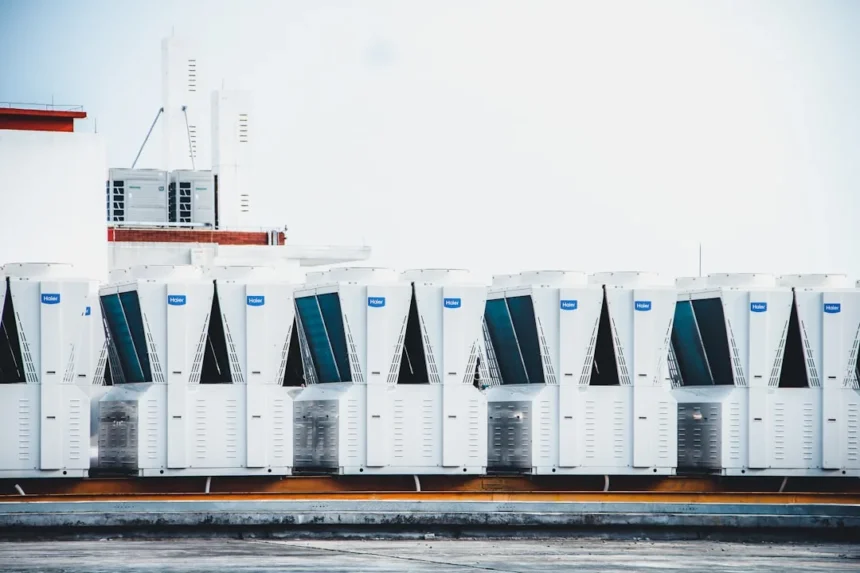
Portable air conditioners are disappearing from shelves faster than most people can react to a heat wave. After this weekend’s sweat-fest, demand for these cooling units has spiked dramatically, leaving many shoppers facing empty stock and frustration. But not all options are gone—this guide rounds up nine portable air conditioners that retailers still have in inventory, along with practical advice on how to choose and use one effectively.
Key Takeaways
- Nine portable air conditioner models remain in stock after recent high demand.
- Choosing the right unit depends on room size, noise tolerance, and installation ease.
- Proper setup and maintenance maximize cooling efficiency and unit lifespan.
- Post-heatwave shopping requires knowing which features matter most for your space.
- Portable models offer flexibility that window units and central systems cannot match.
Why Portable Air Conditioners Matter Right Now
The sudden surge in portable air conditioner demand reflects a simple reality: extreme heat hits fast, and people scramble for solutions. Unlike central air conditioning, which requires professional installation and months of planning, portable units can be deployed within hours. They roll into a room, vent to a window, and start cooling—no contractors, no permanent modifications to your home. This flexibility is why they sell out during heat events.
What makes this moment critical is timing. Once retailers restock after a major heat wave, prices often climb and selection shrinks as manufacturers redirect inventory to regions expecting worse heat. Finding portable air conditioners still available now means accessing better prices and a wider range of options before the next surge in demand hits.
How to Choose a Portable Air Conditioner
Selecting the right portable air conditioner requires understanding a few key variables that the buying guides often gloss over. Room size is the foundation—a unit rated for 300 square feet will struggle in a 500-square-foot bedroom and waste energy in a 150-square-foot office. Check the BTU (British Thermal Units) rating on the unit’s specifications; this number tells you how much heat it can remove per hour. Larger rooms and rooms with direct sunlight need higher BTU ratings.

Noise level is the second critical factor, especially if you plan to run the unit at night or in a bedroom. Portable air conditioners range from whisper-quiet models around 22 decibels to louder units hitting 50 decibels or higher. That difference between 30 and 50 decibels is not minor—it is the difference between background ambiance and a constant hum that disrupts sleep. Check decibel ratings before buying, not after.
Installation complexity varies widely. Some portable air conditioners use simple window kits with adjustable panels; others require drilling or permanent venting solutions. If you rent or prefer non-invasive cooling, look for models with flexible, tool-free window adapters. Energy efficiency ratings (measured in EER or SEER) also matter—higher numbers mean lower electricity bills over the unit’s lifetime.



Setup and Usage Tips for Maximum Performance
Once you own a portable air conditioner, proper setup determines whether it performs like an investment or a disappointment. The exhaust hose must vent to the outside; closing it indoors defeats the entire purpose and wastes energy. Position the intake vent away from direct sunlight and ensure the unit sits on a level, stable surface to prevent vibration and noise.
Maintenance extends lifespan and preserves cooling power. Clean or replace filters every two weeks during heavy use—clogged filters force the compressor to work harder, raising electricity costs and reducing cooling capacity. Drain the condensation pan regularly if your unit collects water; standing water breeds mold and odor. At the end of summer, drain all remaining water, clean the coils, and store the unit in a dry location away from extreme temperatures.
Placement strategy matters as much as the unit itself. Position the portable air conditioner in a central location within the room you want to cool, or place it near a doorway to distribute cold air to adjacent spaces. Close doors and windows in the room to prevent cooled air from escaping. Running the unit with doors open to the rest of your home forces it to work harder and defeats the energy-efficiency advantage of spot cooling.
Portable vs. Window and Central Air: What You Need to Know
Portable air conditioners occupy a middle ground between window units and central air systems. Window units are cheaper upfront but require permanent or semi-permanent installation and block natural light. Central air conditioning is the most efficient for whole-home cooling but demands professional installation and high upfront costs. Portable air conditioners trade some efficiency for flexibility—they cost more than window units but far less than central systems, and they move between rooms or leave with you if you relocate.



The trade-off is real. Portable units are less energy-efficient than window units of the same capacity because some cooled air escapes through the exhaust hose. However, the ability to cool only the rooms you occupy—not your entire home—can offset that inefficiency if you use the unit strategically. For renters, frequent movers, or people cooling a single room or office, portability often outweighs the efficiency penalty.
Stock Status and Shopping Strategy
After a major heat event, portable air conditioner availability drops sharply. Retailers prioritize restocking based on regional demand forecasts, so units that are in stock now may vanish within days if another heat wave is predicted. This is why acting quickly matters—not out of panic, but out of practical awareness that selection and pricing are better during the restock window than during the next crisis.
Check stock directly with retailers rather than relying on online availability indicators, which can lag by hours. Some stores may have units on the shelf that their websites list as out of stock. Call ahead or visit in person if possible. Also compare prices across retailers; post-heatwave pricing can vary by 15–20 percent depending on local demand and inventory depth.
Common Mistakes to Avoid
Buying the wrong BTU rating is the most expensive mistake. Too small, and the unit never cools the room; too large, and it cycles on and off rapidly, wasting energy and failing to dehumidify properly. Measure your room, check the manufacturer’s BTU recommendation, and add 10–20 percent if the room gets direct afternoon sun or has poor insulation.
Ignoring noise levels is the second mistake. Portable air conditioners with high decibel ratings become unbearable in bedrooms or quiet offices. Reading reviews that mention noise is worth the extra five minutes; living with a loud unit for an entire summer is not.
Frequently Asked Questions
What BTU do I need for my room?
Measure your room’s square footage and multiply by 20 BTU per square foot as a baseline. A 300-square-foot room needs roughly 6,000 BTU. Add 10–20 percent if the room has direct sunlight or poor insulation. Manufacturers typically provide room-size recommendations on their product pages—use those as your primary guide.
Can I use a portable air conditioner without venting it outside?
No. The exhaust hose must vent to the outside to remove hot air and humidity. Running a portable air conditioner indoors without venting actually heats your home because the unit pulls in warm outside air, cools part of it, and exhausts the rest inside. Always vent to a window or wall opening.
How often should I clean the filter?
Check your unit’s filter every week during peak use. Most portable air conditioner filters need cleaning or replacement every two weeks in high-dust environments or during continuous operation. A clogged filter reduces cooling power and increases energy consumption, so regular maintenance pays for itself in lower electricity bills.
Portable air conditioners are not a luxury—they are a practical response to heat that arrives faster than traditional cooling systems can handle. With nine models still in stock and the right knowledge about choosing and using one, you can reclaim comfort without waiting for the next stockout or paying premium prices. Act now while selection and pricing are favorable, and you will stay cool all summer without regret.
Where to Buy
DREO501s (10,000 BTU)£499.99shop now
Edited by the All Things Geek team.
Source: TechRadar