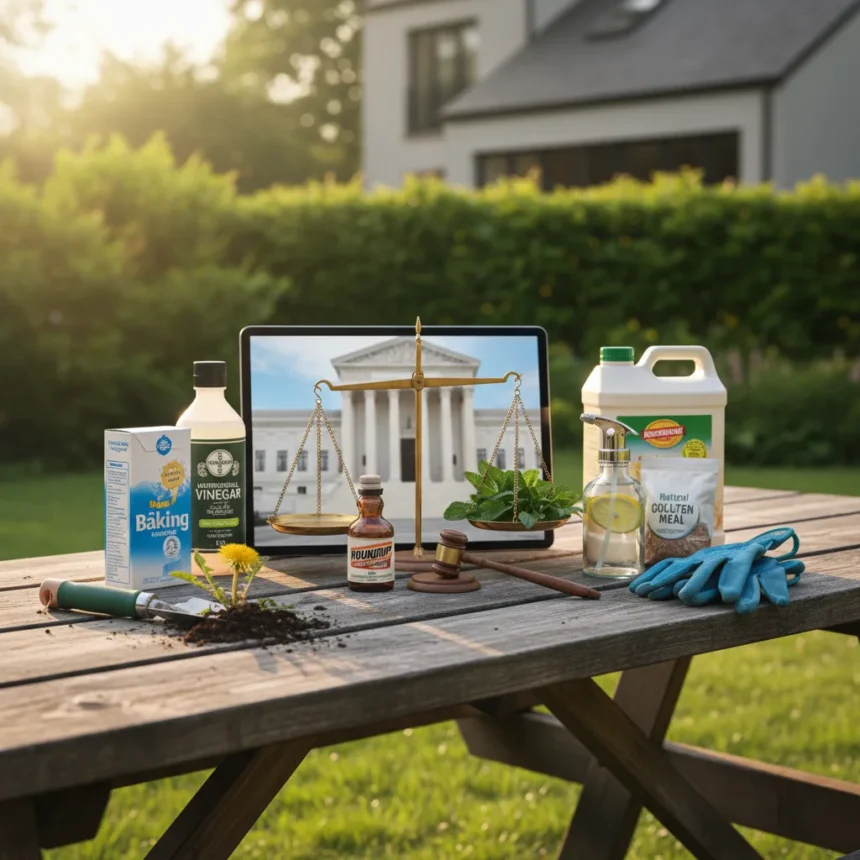
Glyphosate alternatives are becoming urgent for homeowners as the herbicide Roundup advances through a high-stakes Supreme Court lawsuit that questions the safety of its active ingredient. The lawsuit raises critical concerns about glyphosate exposure and its potential health risks, pushing gardeners and property owners to rethink their weed management strategies. If you’ve relied on Roundup or other glyphosate-based products to keep your yard clear, now is the time to explore safer options that don’t compromise on effectiveness.
Key Takeaways
- Roundup’s glyphosate ingredient faces legal scrutiny at the US Supreme Court over health and safety concerns.
- Non-toxic herbicide alternatives exist for homeowners seeking chemical-free weed control solutions.
- Switching from glyphosate-based products protects both personal health and yard ecosystems.
- Multiple weed management strategies can replace traditional chemical herbicides in residential yards.
- The Supreme Court case highlights growing awareness of synthetic herbicide risks.
Why the Roundup Lawsuit Matters Right Now
The Roundup lawsuit reaching the Supreme Court represents a watershed moment for herbicide safety awareness. Glyphosate, the active ingredient in Roundup, has become the subject of intense legal and scientific scrutiny regarding potential health risks. This high-profile case is driving homeowners to reconsider whether they want to continue applying glyphosate-based products on their properties, especially in areas where children and pets spend time.
The timing of this Supreme Court challenge is significant because it puts herbicide safety directly in the public conversation. Homeowners who have used Roundup for years without questioning its ingredients are now asking themselves whether safer alternatives exist. The answer is yes—and these alternatives range from physical removal methods to organic herbicides that work without the chemical profile that has made glyphosate controversial.
Understanding Glyphosate and Why Alternatives Matter
Glyphosate is a broad-spectrum herbicide that kills most plants it contacts. It works by disrupting a biochemical pathway essential for plant growth, making it highly effective at eliminating weeds. However, the same mechanism that makes it effective has raised health concerns, particularly regarding long-term exposure and potential links to certain health conditions. This is why the Supreme Court case has captured national attention and why many homeowners are actively seeking glyphosate alternatives.

The shift toward glyphosate alternatives reflects a broader consumer movement toward reducing synthetic chemical use in home and garden spaces. Property owners are increasingly aware that what they spray on their lawns can affect soil health, groundwater, and family safety. By exploring alternatives, homeowners can maintain attractive, weed-free yards while eliminating the specific health and environmental concerns tied to glyphosate exposure.
Six Categories of Glyphosate Alternatives for Your Yard
The article identifies six distinct approaches to weed control that eliminate the need for glyphosate-based products. These alternatives span different methods—from mechanical removal to organic herbicides—allowing homeowners to choose the approach that best fits their yard size, weed type, and personal preferences. Each category offers practical benefits that make them viable replacements for traditional Roundup applications.



One major advantage of moving beyond glyphosate alternatives is the ability to customize your weed control strategy to your specific situation. Some alternatives work best for spot treatment of isolated weeds, while others are suited for broader lawn applications. Understanding these six options empowers homeowners to make informed decisions about yard maintenance without defaulting to a single chemical solution.
Making the Switch: Practical Considerations
Transitioning from Roundup to glyphosate alternatives doesn’t require a complete yard overhaul. Start by assessing your weed problem—are you dealing with isolated patches or widespread coverage? Different alternatives excel in different scenarios. Some work faster than others, while some require repeated applications. Cost, environmental impact, and safety for family members should all factor into your decision.
The Supreme Court lawsuit serves as a reminder that what seemed like a safe, convenient solution may not align with current health and safety standards. By exploring glyphosate alternatives now, you’re not just responding to legal developments—you’re taking proactive control over what chemicals enter your home environment. Many homeowners report that switching to alternatives actually improves their yard’s long-term health because these methods often address root causes of weed problems rather than simply killing visible growth.
Is glyphosate truly unsafe?
The Supreme Court lawsuit against Roundup centers on health concerns related to glyphosate exposure. While the legal outcome remains pending, many homeowners are choosing to err on the side of caution by eliminating glyphosate from their properties. The existence of effective glyphosate alternatives makes this precautionary approach practical and achievable.



How quickly do glyphosate alternatives work compared to Roundup?
Different glyphosate alternatives work at different speeds. Some organic herbicides match Roundup’s speed, while others require multiple applications over days or weeks. Your choice depends on how quickly you need results and how much time you’re willing to invest in weed management. Mechanical removal offers immediate results but requires more physical effort.
Can I use glyphosate alternatives on all weed types?
Most glyphosate alternatives work on common broadleaf weeds and grasses, though effectiveness varies by product and weed species. Some alternatives target specific weed types more effectively than others. Testing an alternative on a small area first helps you confirm it will work for your particular yard challenges before committing to a full application.
The Supreme Court’s examination of Roundup and glyphosate safety has opened a door for homeowners to reconsider their yard maintenance practices entirely. By switching to glyphosate alternatives, you’re not just responding to legal concerns—you’re joining a growing movement toward safer, more intentional property care. Your yard can be weed-free and chemical-free at the same time.
Where to Buy
$14 at Amazon. | $39 at Amazon, | Green Gobbler Natural Total Control Weed & Grass Killer: | $68 at Amazon | $27 at Amazon
Edited by the All Things Geek team.
Source: Tom's Guide