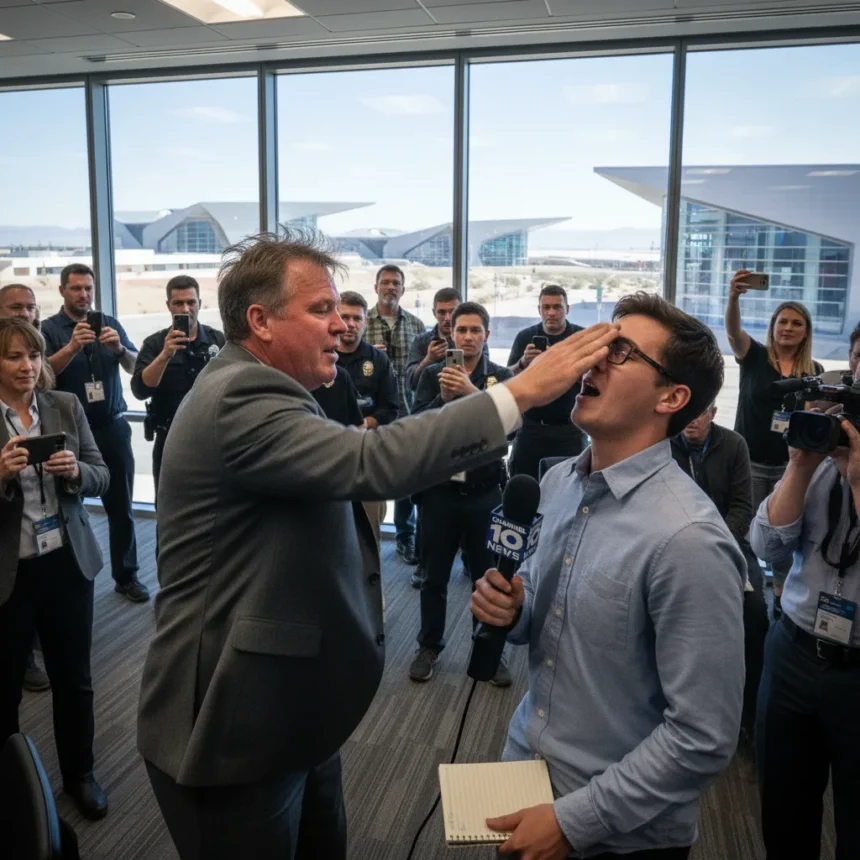
The Utah AI data center debate turned violent on May 7, 2024, when state Sen. Jerry Stevenson physically confronted ABC4 reporter Dillon Fuhrman outside Stevenson Industries Inc. in Layton, Utah, slapping the phone out of his hand twice while Fuhrman was filming.
Key Takeaways
- Sen. Jerry Stevenson slapped reporter Dillon Fuhrman’s phone twice during a confrontation on May 7, 2024.
- Fuhrman was investigating harassment against Stevenson’s employees by opponents of Meta’s $4 billion AI data center.
- The proposed data center would consume 3.9 million gallons of water daily in rural Box Elder County.
- Utah lawmakers passed SB 261 in March 2024, granting tech companies eminent domain powers for data centers.
- Stevenson owns land adjacent to the proposed site and stands to gain from selling it to Meta.
How the Utah AI Data Center Debate Escalated to Physical Confrontation
The Utah AI data center debate centers on Meta Platforms Inc.’s proposed $4 billion facility on 1,000 acres of rural land in Tremonton, Box Elder County. Fuhrman was investigating multiple harassment incidents targeting Stevenson’s employees, including death threats, slashed tires, keyed vehicles, and verbal confrontations. The confrontation itself was caught on video: Stevenson told Fuhrman, “Get that camera out of my face,” before slapping the phone twice. Stevenson later claimed self-defense, alleging Fuhrman touched him first—a claim not verified by police, as neither party filed a report as of May 8, 2024.
The incident occurred weeks after Utah lawmakers passed SB 261 in March 2024, legislation that gave tech companies eminent domain powers for data center projects. Gov. Spencer Cox signed the bill into law, effectively clearing a major legal hurdle for Meta’s expansion. Stevenson, a Republican from Layton, has been instrumental in supporting the project despite fierce local opposition.
Why Local Opposition to the Utah AI Data Center Debate Runs Deep
Opponents of the Utah AI data center debate cite three primary concerns: water usage, noise pollution, and agricultural impact. The facility is estimated to consume 3.9 million gallons of water daily in a region where water is already scarce. Farming communities in Box Elder County worry about industrial sprawl invading productive agricultural land, a tension that mirrors debates over other major tech infrastructure projects in the state, such as Google’s $700 million Eagle Mountain facility and Microsoft’s $1.5 billion expansion at the same location.

The harassment of Stevenson’s employees reflects the intensity of local feeling. Death threats and property damage suggest the debate has moved beyond policy disagreement into personal intimidation. Fuhrman’s reporting on these incidents was legitimate journalism—documenting a public safety issue tied to a major infrastructure project—which makes Stevenson’s physical response particularly problematic for a state legislator.
Stevenson’s Financial Interest in the Utah AI Data Center Debate
A critical conflict of interest underpins Stevenson’s role in the Utah AI data center debate: he owns land adjacent to the proposed Meta facility and stands to profit from selling it to the company. This financial stake raises questions about his motivation for championing SB 261 and supporting the project despite community opposition. While Stevenson’s land sale price remains undisclosed, his position as both a legislator and a potential beneficiary of the deal creates an appearance of impropriety that opponents have seized upon.



The video of the May 7 incident went viral on YouTube, accumulating over 100,000 views within hours. The footage became a flashpoint in the broader debate, with critics using it to illustrate what they view as Stevenson’s aggressive approach to silencing dissent. For a state senator to physically assault a reporter—regardless of the self-defense claim—sends a chilling message about accountability and press freedom.
What Comes Next for the Utah AI Data Center Debate
As of May 2024, Meta’s data center project remained in environmental review stages with no launch date set. The viral video and assault incident have intensified scrutiny on Stevenson and the legislative process that enabled the project. The Utah AI data center debate is no longer just about infrastructure and water resources—it has become a test of whether elected officials can be held accountable when they have financial skin in the game.
The incident raises broader questions about how states balance tech industry growth with community consent and environmental stewardship. Utah has positioned itself as a tech hub, but the Utah AI data center debate suggests that rapid expansion without genuine community buy-in breeds conflict, harassment, and now, violence.
Did Sen. Stevenson face any legal consequences for the incident?
As of the May 8, 2024 article publication, no police report had been filed by either Fuhrman or Stevenson, and no charges were announced. The lack of police involvement left the incident in a legal gray zone, though the viral video provided clear documentation of the physical contact.



How much water will Meta’s Utah data center use daily?
The proposed facility is estimated to consume 3.9 million gallons of water per day, a figure that has driven much of the local opposition in water-scarce Box Elder County.
Why does Sen. Stevenson have a financial stake in the Utah AI data center debate?
Stevenson owns land adjacent to Meta’s proposed 1,000-acre site in Tremonton and stands to profit from selling his property to the company, creating a direct conflict of interest with his legislative support for SB 261.
The Utah AI data center debate exposes the collision between economic ambition and community consent. A state senator with a financial stake in a major infrastructure project should not be its primary legislative champion—and when that senator resorts to physical confrontation with a reporter investigating harassment, the integrity of the entire process comes into question. Meta’s facility may ultimately serve Utah’s tech economy, but it will do so under a shadow of impropriety and violence that could have been avoided with transparency and genuine community engagement.
Edited by the All Things Geek team.
Source: Tom's Hardware