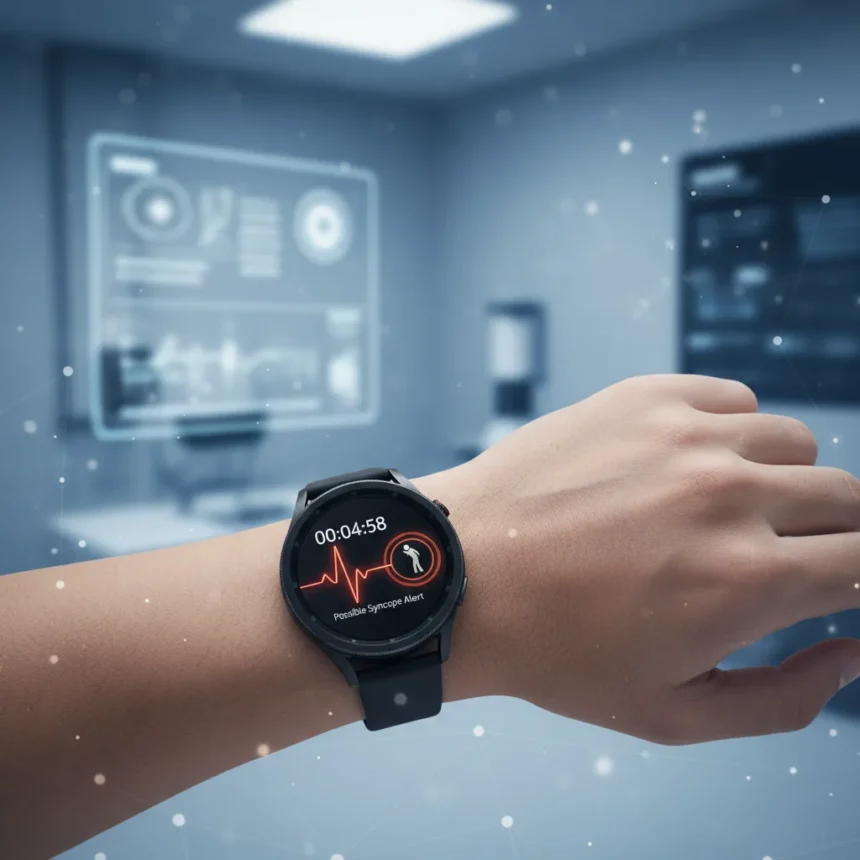
Samsung Galaxy Watch fainting prediction represents a genuine leap in smartwatch health monitoring. In a joint clinical study with Chung-Ang University Gwangmyeong Hospital in South Korea, Samsung demonstrated that its Galaxy Watch6 could predict vasovagal syncope—the most common type of fainting—up to 5 minutes before an episode occurs, with 84.6% accuracy. The research, published in the European Heart Journal – Digital Health, marks the world’s first validated fainting prediction on a commercial smartwatch.
Key Takeaways
- Samsung Galaxy Watch fainting prediction achieved 84.6% accuracy in clinical trials with 90% sensitivity and 64% specificity.
- Study evaluated 132 patients during induced fainting tests using Galaxy Watch6 PPG sensor and AI algorithm.
- Vasovagal syncope affects up to 40% of people and often leads to fall-related injuries like concussions.
- Feature is not yet available on any Galaxy Watch model; Samsung plans future implementation with medical collaboration.
- 5-minute warning window allows users to sit, lie down, or seek help before losing consciousness.
How Samsung Galaxy Watch Fainting Prediction Works
The Samsung Galaxy Watch fainting prediction system relies on the device’s photoplethysmography (PPG) sensor to measure heart rate variability (HRV)—subtle changes in the time between heartbeats. An AI algorithm analyzes these biosignals in real time, looking for patterns that precede vasovagal syncope episodes. When the algorithm detects a high-risk pattern, it can alert the user up to 5 minutes before fainting occurs, giving them time to prevent a dangerous fall.
The clinical validation was rigorous. Samsung researchers equipped 132 patients with suspected vasovagal syncope symptoms with Galaxy Watch6 devices during controlled fainting tests at the hospital. The AI model successfully predicted impending episodes with 90% sensitivity—meaning it caught 9 out of 10 true cases—and 64% specificity, minimizing false alarms. This balance between catching real events and avoiding excessive alerts is critical for a feature users will actually trust.
Why Fainting Prevention Matters for Smartwatch Users
Vasovagal syncope itself is usually not dangerous. The problem is what happens when you black out standing up. Fainting causes falls, and falls cause concussions, broken bones, and serious head injuries. Up to 40% of people experience vasovagal syncope at some point, often triggered by the sight of blood, emotional distress, or prolonged standing. For elderly users, people with heart conditions, or anyone prone to fainting, a 5-minute warning is genuinely life-changing—enough time to sit down, lie flat, or alert someone nearby.


Current Galaxy Watch models already monitor heart rate irregularities, blood oxygen, and sleep apnea. But fainting prediction is different. It is not detecting a chronic condition; it is forecasting an acute event minutes before it happens. That requires real-time biosignal analysis and machine learning trained on actual syncope data, not just heart rate thresholds.
Samsung Galaxy Watch Fainting Prediction vs. Current Health Features
Today’s smartwatches, including the Galaxy Watch8, can alert you if your heart rate is abnormal or your blood oxygen dips. They cannot tell you that you are about to faint. The Samsung Galaxy Watch fainting prediction feature fills a gap that no competitor currently addresses. Apple Watch monitors atrial fibrillation and irregular rhythms, but does not predict syncope. Fitbit and other wearables focus on sleep and activity tracking. Samsung’s AI-driven prediction is, for now, a category of one.


The clinical validation also matters. Samsung did not just claim the feature works—the company published results in a peer-reviewed medical journal after testing on 132 real patients during induced fainting procedures. That level of rigor is rare in smartwatch health claims and sets a higher bar than typical manufacturer testing.
When Will Samsung Galaxy Watch Fainting Prediction Actually Launch?
Here is the catch: the feature does not exist on any Galaxy Watch yet. Samsung has not announced a launch date, software update timeline, or which models will receive it first. The company stated it plans to advance health monitoring capabilities and expand collaboration with medical institutions, but regulatory and legal caution is evident. Fainting prediction is a medical claim, and any smartwatch feature that claims to prevent injury or predict syncope will face scrutiny from health regulators worldwide.
Samsung is likely navigating liability questions: if the algorithm fails to predict a fainting episode, or if a false alarm causes someone to panic, who is responsible? These are the questions slowing deployment from research lab to consumer devices. Expect the feature to roll out gradually, probably first in markets with clear regulatory pathways.
Should You Care About Samsung Galaxy Watch Fainting Prediction?
If you have a history of fainting or syncope, this feature matters. If you are a caregiver for someone at risk, it matters more. For the general user, it is a nice-to-have safety feature that could prevent a bad fall. The real value emerges over time as Samsung refines the algorithm and collects more real-world data outside controlled hospital settings.

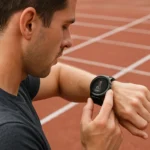

The bigger picture is that Samsung is pushing smartwatches toward genuine medical utility, not just fitness tracking. That shift—from counting steps to predicting health crises—is where wearables become indispensable. Samsung Galaxy Watch fainting prediction is the proof of concept.
Can the Samsung Galaxy Watch fainting prediction work outside hospital conditions?
The clinical study used induced fainting tests in a hospital setting, which is controlled and reproducible. Real-world performance will depend on how well the AI generalizes to everyday life—different activity levels, stress, hydration, and environmental factors that do not exist in a lab. Samsung will need to validate the feature in real-world use before rollout, which adds time but also confidence.
What is vasovagal syncope and why is it dangerous?
Vasovagal syncope is fainting caused by a sudden drop in heart rate and blood pressure, often triggered by emotional distress, pain, or the sight of blood. The fainting itself lasts seconds to minutes and is usually harmless. The danger is the fall—hitting your head, breaking bones, or losing consciousness in an unsafe location like near stairs or traffic.
Will other smartwatch brands copy Samsung Galaxy Watch fainting prediction?
Possibly, but not immediately. Samsung had to partner with a hospital and publish peer-reviewed research to validate the feature. Other manufacturers could do the same, but it requires significant investment in clinical trials and regulatory approval. For now, Samsung Galaxy Watch fainting prediction remains a differentiated capability that positions Samsung as serious about medical-grade wearable health.
Samsung Galaxy Watch fainting prediction is not available today, but it represents the direction smartwatches are heading—from passive health trackers to active medical devices that predict and prevent crises. When it launches, it will not be just another feature. It will be a reason to choose Samsung over competitors for anyone concerned about syncope risk.
Edited by the All Things Geek team.
Source: TechRadar