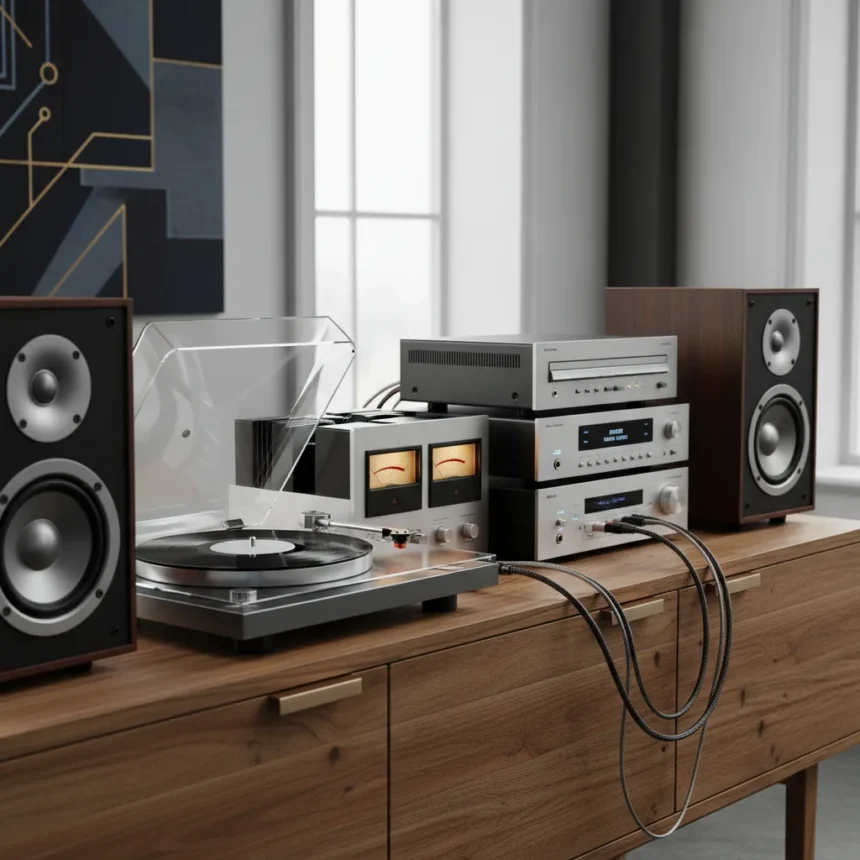
Hi-Fi’s surprise return is reshaping the consumer electronics landscape in ways few predicted five years ago. Once dismissed as niche nostalgia, turntables and vintage-inspired audio equipment are now commanding shelf space at major retailers and winning critical accolades from established publications. This shift signals something deeper: consumers are rejecting the convenience-first audio culture in favor of intentional listening experiences.
Key Takeaways
- Turntables and hi-fi equipment are experiencing mainstream retail resurgence after years of niche status.
- Major brands including Sony, Denon, and Pro-Ject are launching new models across turntables and AVRs.
- Retro design combined with modern engineering is driving consumer interest in analog and home cinema systems.
- Hi-fi awards and critical recognition are validating the category’s return to relevance.
- Budget-conscious retailers are capitalizing on demand with affordable entry-level turntables.
Why Turntables Are Back in the Mainstream
The hi-fi surprise return centers on a fundamental rejection of streaming fatigue. After two decades of compressed audio and algorithmic playlists, a growing segment of listeners is seeking physical media and dedicated listening spaces. Turntables offer tactile engagement—dropping a needle, reading liner notes, flipping records—that digital streaming cannot replicate. This is not mere nostalgia; it is a deliberate choice to slow down consumption and prioritize sound quality over convenience.
Retailers are responding aggressively. Budget-focused chains are now stocking turntables at aggressive price points, making vinyl accessible beyond audiophile circles. Meanwhile, premium manufacturers are releasing flagship models that combine retro aesthetics with contemporary engineering. The category has moved from specialty shops to mainstream electronics aisles, a shift that would have seemed impossible just three years ago.
Hi-Fi Surprise Return: Major Brands Enter the Arena
Sony’s return to the turntable market represents the most significant validation of this trend. A five-star turntable from Sony carries weight—it signals that the category is no longer fringe. Denon’s AVR lineup continues to dominate the home cinema space, combining surround sound capability with the kind of build quality that justifies premium pricing. Pro-Ject, long a respected turntable manufacturer, is releasing what it calls its most accomplished turntable yet, pushing the technical boundaries of what vinyl playback can achieve.



These launches are not defensive moves into a shrinking category. They are offensive plays into a growing one. Manufacturers would not invest in new tooling, marketing, and distribution unless market signals were unmistakable. The hi-fi surprise return is real, and it is being driven by consumer demand, not industry nostalgia.
The Design Philosophy Behind the Resurgence
What distinguishes today’s turntables and hi-fi systems from mere retro pastiche is engineering authenticity. New models are not simply copying 1970s designs; they are applying 2020s manufacturing precision to analog principles. A retro-styled turntable today includes precision motors, low-vibration isolation, and optimized tonearm geometry that vintage equipment could never achieve. This is why audiophiles take the category seriously—it is not costume jewelry masquerading as fine watches.



Home cinema systems follow a similar pattern. Denon’s AVRs balance nostalgic styling with Dolby Atmos support and modern connectivity. The appeal is not that they look old; it is that they sound exceptional while occupying a different aesthetic space than the black rectangles that dominated the 2010s. Consumers are voting for diversity in design and intentionality in audio, and manufacturers are listening.
What Does the Hi-Fi Surprise Return Mean for Consumers?
For casual listeners, the hi-fi surprise return means more choice at every price point. Budget turntables are no longer rare; they are becoming standard retail stock. For serious audiophiles, it means manufacturers are competing on sound quality and engineering again, not just on smart features and app integration. The category is bifurcating—ultra-affordable entry points for curious newcomers, and genuinely ambitious flagship models for listeners willing to invest.
The surprise element is important. Five years ago, predicting that turntables would be a mainstream retail category seemed absurd. The format was supposed to be dead. Instead, it is thriving, and it is pulling the entire hi-fi ecosystem with it. Amplifiers, speakers, and home cinema systems are benefiting from renewed consumer interest in audio as a primary entertainment medium rather than a background utility.
Is hi-fi equipment worth buying in 2025?
Yes, if you value sound quality and intentional listening. Modern turntables and AVRs offer genuine technical advantages over streaming-only setups, and the market is now competitive enough that good options exist at multiple price points. Entry-level turntables are affordable enough to experiment with, while flagship models deliver sound that justifies their cost for serious listeners.



What makes today’s turntables different from vintage models?
Contemporary turntables combine vintage design aesthetics with modern manufacturing precision. They feature lower vibration, more accurate motors, and optimized tonearms that vintage equipment could not achieve. The result is analog sound with 21st-century reliability and consistency.
Why are retailers stocking turntables again?
Consumer demand is driving retail expansion. Turntables are no longer niche products—they are becoming mainstream purchases. Retailers are responding to this demand shift by expanding inventory and dedicated shelf space, particularly at budget-conscious chains looking to capture the entry-level market.
The hi-fi surprise return is not a temporary trend or a marketing cycle. It reflects a genuine shift in how consumers think about audio, design, and intentional consumption. Manufacturers, retailers, and listeners are all signaling the same thing: analog and home cinema deserve serious attention again. The surprise is not that hi-fi is back—it is that anyone thought it ever really left.
Edited by the All Things Geek team.
Source: What Hi-Fi?