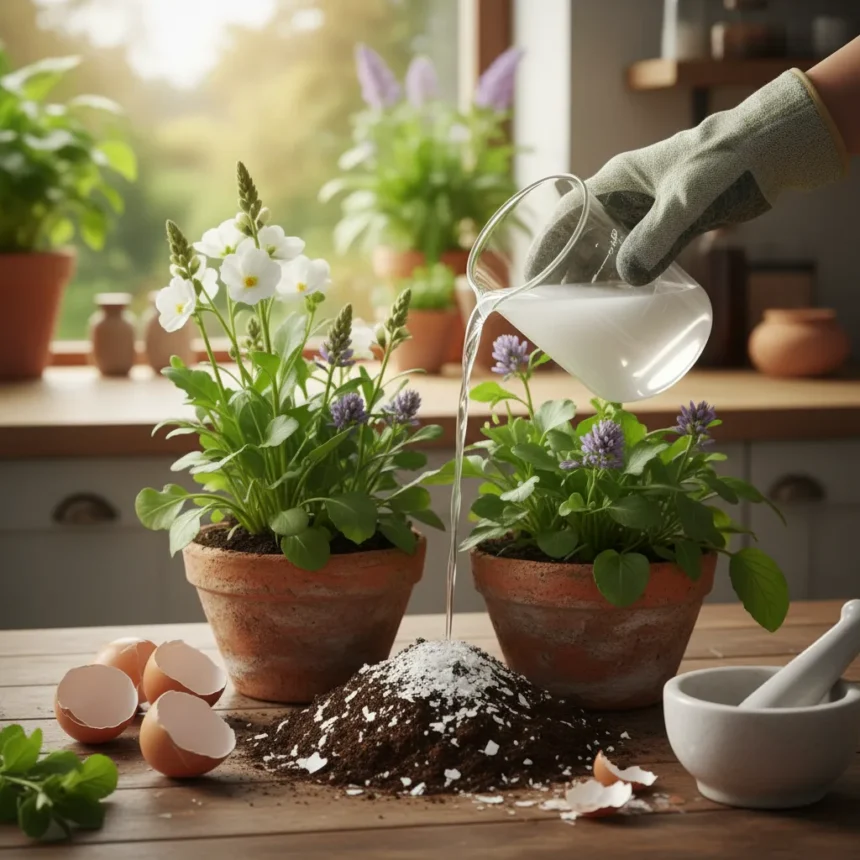
Boiled eggshells plant growth is a zero-cost method to strengthen plants and boost blooms using crushed shells from your kitchen. Eggshells are naturally packed with calcium, a mineral that prevents weak stems, curling leaves, and stunted growth in both houseplants and outdoor gardens. Spring timing amplifies the benefit, as plants entering their peak growing season respond quickly to improved soil nutrition.
Key Takeaways
- Eggshells contain calcium, a critical mineral for plant stem strength and leaf health.
- Crush boiled eggshells finely and mix into soil around plant bases or add to compost.
- Apply in early spring and mid-season for ongoing nutrient delivery without cost.
- Works on houseplants and outdoor gardens; improvements visible within months.
- Pairs well with other free kitchen waste like banana peels and coffee grounds.
Why Calcium Matters for Plant Health
Calcium deficiency in soil leads to visible plant decline. Weak stems cannot support foliage or flowering, curling leaves signal nutrient stress, and slow growth wastes an entire growing season. Boiled eggshells plant growth solutions work because crushed shells dissolve slowly into soil, releasing calcium over time. This gradual nutrient delivery is more reliable than a single heavy application of commercial fertilizer, which can shock sensitive plants or leach away too quickly.
Jo Lambell, founder of Beards & Daisies, emphasizes the advantage: “They’re natural and packed with nutrients that your plants will love”. Unlike synthetic fertilizers, eggshells improve soil structure while feeding plants, creating conditions where roots establish more firmly and absorb water more efficiently.
How to Prepare and Apply Boiled Eggshells
The process is straightforward and requires no special tools. Boil eggs as you normally would for eating, then collect the clean, dry shells. Crush them into small pieces or powder using a blender, mortar and pestle, or even a rolling pin—finer particles integrate faster into soil. For outdoor gardens, mix crushed eggshells directly into soil around plant bases in early spring and again mid-season. Water the soil afterward to help the shells settle and begin breaking down.


For houseplants, sprinkle the crushed shells directly on the soil surface and mix lightly with a small spoon. This method works indoors without creating mess or odor. The timing matters: apply in early spring when plants are waking up from dormancy and their nutrient demand peaks. A second application mid-season sustains growth through summer heat and blooming cycles.
Boiled Eggshells Plant Growth vs. Other Fertilizer Options
Commercial all-purpose fertilizers (like 10-10-10 blends) deliver faster results but cost money and require careful measurement to avoid over-application. Organic alternatives like fish emulsion provide nitrogen quickly but carry a strong odor that can attract pests or interest pets. Banana peels offer potassium, coffee grounds contribute nitrogen, and vegetable scraps build compost—each addresses different nutrient gaps. Boiled eggshells plant growth stands out because it targets calcium specifically, costs nothing, and integrates smoothly into any existing feeding routine.



The real advantage is layering. Use eggshells for calcium, banana peels for potassium, and coffee grounds for nitrogen, creating a complete nutrient profile without purchasing anything. This approach works because kitchen waste is continuous—you boil eggs regularly, brew coffee daily, and eat bananas throughout the week. The consistency of application matters more than the power of any single ingredient.
Timeline and Realistic Expectations
Boiled eggshells plant growth improvements appear within months, not weeks. Crushed shells must break down in soil before plants can absorb the calcium, so patience is essential. By mid-summer, you’ll notice more resilient stems, more abundant flowers or fruit, and a visibly vibrant appearance across your garden or houseplants. Plants fed with eggshells develop thicker foliage and deeper color because calcium strengthens cell walls, making leaves and stems more robust.
Spring application aligns perfectly with this timeline. Apply crushed shells in March or April, add a second dose in June or July, and by August your plants show the cumulative benefit. This rhythm matches natural plant growth cycles and avoids the feast-or-famine pattern of single heavy fertilizer applications.
Can boiled eggshells really improve plant growth?
Yes. Eggshells contain calcium, which strengthens plant stems and prevents deficiency symptoms like curling leaves and weak growth. Crushed shells mixed into soil release calcium gradually, improving plant resilience and appearance within months.



How long does it take to see results from boiled eggshells?
Results typically appear within months as crushed shells break down in soil and plants absorb the released calcium. Spring application shows the most dramatic benefits by mid-summer when plants enter peak blooming and fruiting cycles.
Can I use eggshells from raw eggs instead of boiled eggs?
Boiled eggshells are preferred because they are clean and dry, making them easier to crush and less likely to introduce bacteria or odor to soil. Raw shells may carry residue or moisture that slows decomposition.
Boiled eggshells plant growth is the simplest free gardening hack available. Every kitchen generates eggshells, and instead of discarding them, you transform them into plant nutrition. Pair this method with other kitchen waste and you eliminate the need to buy fertilizer entirely, saving money while building healthier, more resilient plants across your entire garden.
Where to Buy
AiGerdinn 2-in-1 Soil Test Kit: | Brightech Ambience Pro | AMIR Upgraded Solar Powered String | Ring Solar Pathlights | Aootek 182 Led Solar outdoor motion
Edited by the All Things Geek team.
Source: Tom's Guide