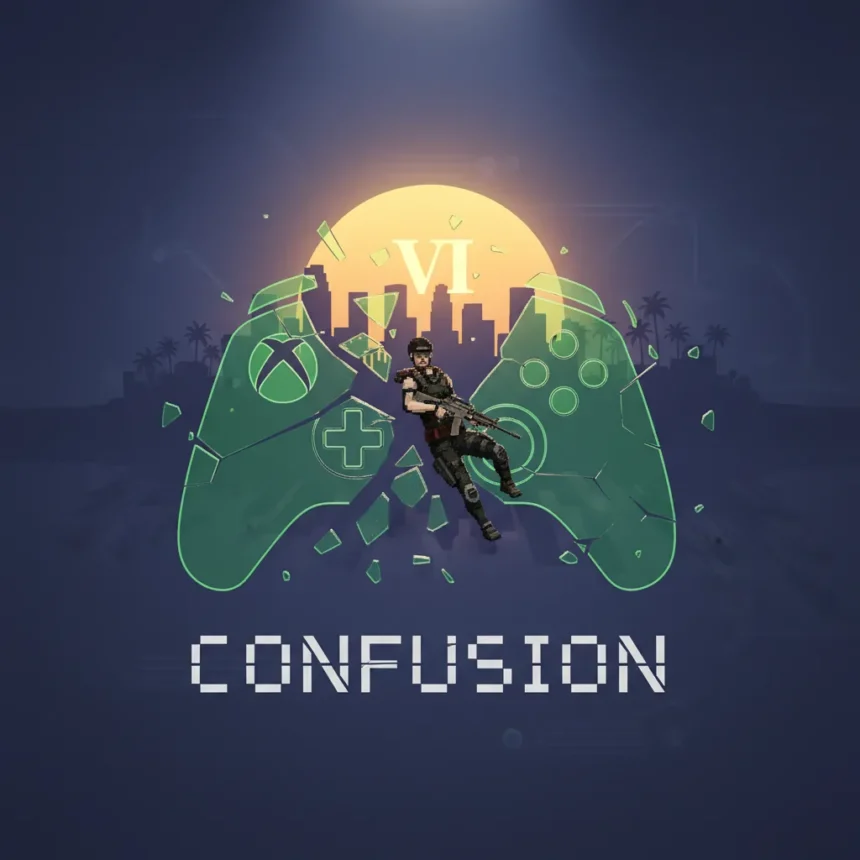
Call of Duty Game Pass removal represents a stunning failure of strategic timing. Microsoft is pulling one of gaming’s most recognizable franchises from its subscription service just as Grand Theft Auto 6 dominates the gaming conversation, leaving Game Pass subscribers without a flagship shooter at the moment when they might jump ship to competitors.
Key Takeaways
- Microsoft is removing Call of Duty from Game Pass at the worst possible competitive moment.
- GTA 6 anticipation is creating a window where Game Pass loses relevance without Call of Duty.
- The decision exposes Microsoft’s inability to make coherent long-term decisions about its biggest gaming franchise.
- Microsoft appears reactive rather than strategic in managing Call of Duty’s position in the market.
- Gameplay improvements, not business shuffling, should be the priority for franchise revival.
Why the timing of Call of Duty Game Pass removal is catastrophic
The absolute worst time to remove Call of Duty from Game Pass is when the gaming world is collectively holding its breath for GTA 6. This is not coincidental timing—it is a symptom of Microsoft’s deeper inability to coordinate its franchise strategy. Game Pass subscribers are already evaluating their options as blockbuster titles shift the competitive landscape. Removing Call of Duty during this window is like closing a restaurant’s best section right before the holiday season.
Grand Theft Auto 6 represents a gravitational pull on gaming attention that happens once per generation. Players are canceling subscriptions, clearing their backlogs, and mentally preparing for the shift. Call of Duty, despite its franchise fatigue, still holds enough brand weight to keep subscribers engaged during the gap. Without it, Game Pass becomes a waiting room—and waiting rooms are where subscriptions get canceled.
Microsoft’s fractured approach to Call of Duty management
The Call of Duty Game Pass removal is not an isolated business decision. It is the latest symptom of a company that does not know what it wants from its biggest gaming franchise. Microsoft has tried licensing deals, Game Pass integration, multiplayer overhauls, and seasonal content refreshes. What it has not consistently done is make the game itself compelling enough to justify its place in the market.


This is the real problem hiding behind the Game Pass removal announcement. Microsoft appears to be trying everything except the one thing that matters: making Call of Duty good again. The franchise does not need different distribution strategies or subscription tier shuffling. It needs gameplay that feels fresh, maps that reward skill over chaos, and a development roadmap that respects player time instead of treating the game as a content treadmill.
The competitive threat that Microsoft is ignoring
GTA 6 is not just another game launch—it is a cultural moment that will reshape how players spend their gaming time and money. While Rockstar has spent years building anticipation, Microsoft has spent the same time rearranging Call of Duty’s business model without addressing the core issue: players are tired of the franchise as it currently exists.

The comparison is not flattering. GTA 6 launches with a single-player campaign and multiplayer experience built from the ground up for a new generation. Call of Duty launches new entries every year with incremental tweaks and a battle pass that feels mandatory rather than optional. When players have to choose between two premium experiences, the one that feels genuinely new will win. Microsoft is betting on subscription convenience while Rockstar is betting on quality. History suggests Rockstar’s bet will pay off.
What Call of Duty Game Pass removal really means for subscribers
For Game Pass subscribers, the Call of Duty Game Pass removal is a wake-up call. The subscription service is not a permanent home for major franchises—it is a rotating catalog where even the biggest names can disappear. This is not necessarily wrong from a business perspective, but it signals that Microsoft views Game Pass as a distribution channel, not a commitment to player communities.
Subscribers who invested time in multiplayer progression, seasonal challenges, or cosmetic purchases now face a choice: pay separately to keep playing, or move on. That friction is exactly what Microsoft should avoid during a period when GTA 6 is actively recruiting players away from other shooters. Instead, the company is removing friction from the decision to leave.
Is Call of Duty still worth playing after Game Pass removal?
Call of Duty remains a competent multiplayer shooter with a large player base, but competence is not enough in a market where GTA 6 is launching. The franchise needs to offer something distinctive—whether that is innovative gameplay mechanics, a genuinely engaging campaign, or multiplayer modes that reward teamwork over individual performance. Without those qualities, paying separately for Call of Duty becomes harder to justify when free-to-play alternatives and premium competitors offer more compelling experiences.


Why doesn’t Microsoft just improve the game instead of shuffling business models?
This is the question that cuts to the heart of Microsoft’s franchise mismanagement. Call of Duty does not need a new subscription strategy or licensing restructuring. It needs developers who are empowered to make bold gameplay changes, not incremental annual refreshes. It needs a development cycle that prioritizes innovation over release schedules. It needs leadership that understands the franchise is competing for player attention against cultural phenomena like GTA 6, not just against other shooters.
Microsoft has the resources, the player base, and the brand recognition to revitalize Call of Duty. What it lacks is the willingness to slow down the annual release cycle and actually invest in making the game better rather than just different. Every business decision—the Game Pass removal, the licensing negotiations, the seasonal content drops—is a substitute for the one decision that would actually matter: committing to gameplay excellence.
Call of Duty Game Pass removal is a symptom of a franchise in crisis, not a solution to one. Microsoft is rearranging deck chairs while the competitive landscape shifts beneath it. Until the company focuses on making Call of Duty genuinely good again, no business model will save it from the gravitational pull of better games.
Edited by the All Things Geek team.
Source: Windows Central