Planning for the London Marathon 2026 gear you’ll need means thinking ahead about conditions. A two-time London Marathon finisher shares her tested approach to packing lightweight, breathable apparel tailored for potentially warmer weather this year—prioritizing ventilation and quick-dry fabrics over traditional heavy layering.
Key Takeaways
- Moisture-wicking, lightweight fabrics outperform heavy layers in warm marathon conditions.
- Sun protection and ventilation are non-negotiable for heat management during the race.
- Tested shoe alternatives range from lightweight tempo trainers to stability-focused endurance models.
- Quick-dry accessories reduce chafe risk and weight during extended running.
- Experienced runners adjust gear based on anticipated temperature swings, not just tradition.
Why Warm-Weather Marathon Gear Demands a Different Approach
Most marathon guides default to layering strategies built for mild spring conditions. But if 2026 brings sustained heat, that playbook fails. A two-time finisher knows this intimately—her past races informed a gear philosophy centered on heat management rather than protection from cold. The shift means abandoning heavy base layers, ditching long sleeves, and treating ventilation as the primary design criterion. Breathable, moisture-wicking apparel becomes non-negotiable when you’re running 26 miles in elevated temperatures.
Heat during a marathon doesn’t just make you uncomfortable; it accelerates fatigue, increases sweat loss, and multiplies chafe points. Gear that manages moisture and airflow directly impacts race performance. A runner who has crossed the finish line twice understands that every gram matters when temperatures climb, and every fabric choice either aids cooling or works against it.
Footwear Strategy for London Marathon 2026 Gear
Shoe selection for warm-weather marathon running splits into two camps: lightweight max-cushion trainers and tempo-focused shoes designed for speed without sacrificing protection. For runners new to marathons, lightweight trainers like the Puma Deviate Nitro 3, ASICS Megablast, Adidas EVO SL, Nike Zoom Fly 6, and Saucony Endorphin series offer a middle ground—responsive enough for race-day effort, cushioned enough for 26 miles.

An alternative gaining traction for endurance-focused runners is the Decathlon Kiprun Kipnext Connect. Weighing 265 grams in EU size 43 with an 8-millimeter drop, this shoe targets stable, protective marathon running and includes a sensor designed to help prevent injury during training. The stability focus appeals to runners concerned about form breakdown in heat, when fatigue accelerates. Neither approach is universally superior; the choice depends on your gait, experience level, and confidence in lighter shoes during extended efforts.
Apparel Choices That Prioritize Ventilation
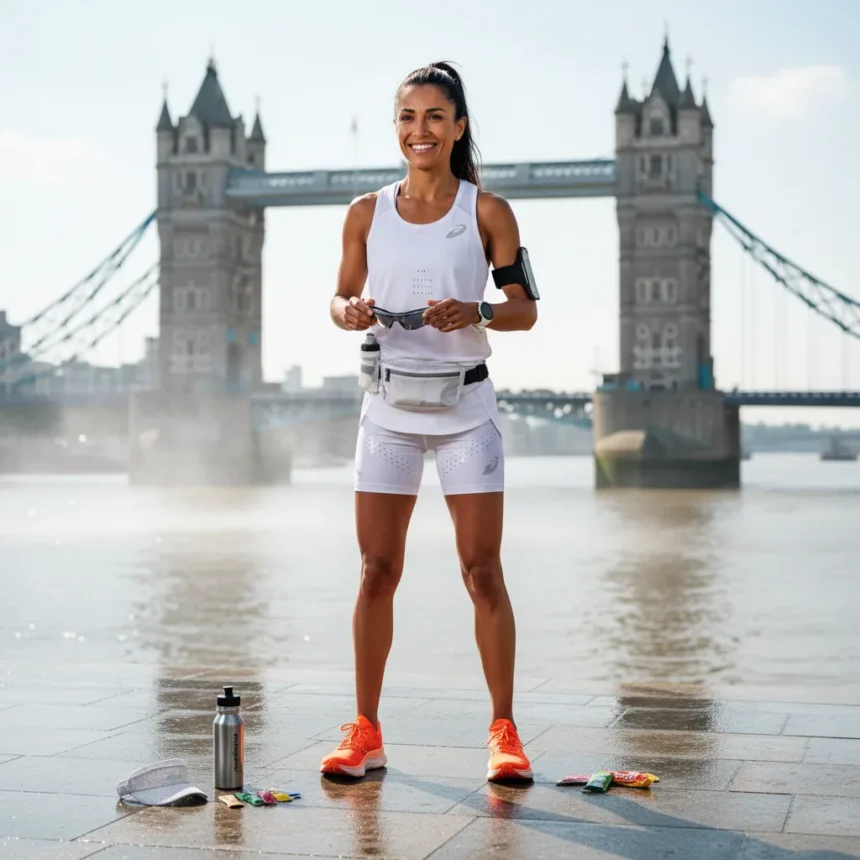
A two-time finisher’s London Marathon 2026 gear strategy abandons cotton entirely. Moisture-wicking synthetic fabrics and merino wool alternatives move sweat away from skin faster than traditional materials, reducing the weight penalty and chafe risk that derail many runners in the final miles. Sleeveless or short-sleeve tops with mesh panels maximize airflow across the torso, where heat accumulates most intensely.



Shorts designed for trail or trail-adjacent running often outperform traditional road racing shorts in warm conditions because they feature wider gussets, better seam placement, and built-in liner systems that reduce friction. The investment in purpose-built warm-weather running apparel—not generic athletic wear—is the difference between a managed race and a miserable one. Socks matter equally; moisture-wicking synthetic blends prevent blistering better than wool or cotton when your feet spend hours in wet conditions.
Sun Protection Without Adding Weight
Sunburn drains energy and adds systemic stress during a marathon; avoiding it is both a comfort and a performance issue. A lightweight cap or visor shields the face and eyes without trapping heat like a full hat. UV-blocking arm sleeves, paradoxically, keep you cooler than bare arms in intense sun because they reflect radiation while remaining breathable. Sunscreen applied before the race should be sweat-resistant and non-greasy to minimize chafe in high-friction zones.
Accessories like wristbands and compression sleeves serve dual purposes: they manage sweat and provide sun coverage. Experienced runners often choose accessories that double as functional gear rather than single-purpose items, keeping pack weight minimal when every ounce compounds fatigue over 26 miles.
Quick-Dry Accessories and Hydration Considerations
Gloves, hats, and hydration belts should dry quickly and weigh almost nothing. A two-time finisher knows that gear soaked in sweat becomes a liability—it chafes, it weighs more, and it no longer breathes effectively. Hydration packs with ventilated backing panels and minimal fabric contact keep your back cooler than traditional vests. Moisture-wicking caps dry faster than cotton alternatives and prevent sweat from dripping into your eyes during crucial miles.



Chafe-prevention products like anti-friction balms should be applied before the race starts, not carried as backup. This reduces pack weight and ensures protection from mile one. The philosophy underlying warm-weather gear selection is ruthless simplification: every item must earn its place by serving a clear function in heat management or performance.
How should I adjust my London Marathon 2026 gear if temperatures drop unexpectedly?
Warm-weather gear strategies assume sustained heat, but spring weather in London can shift. A lightweight, packable windbreaker or thin long-sleeve layer can be tied around your waist at the start and shed at mile five if conditions warm. The key is choosing items so minimal in weight and bulk that carrying them briefly is worth the insurance against sudden cold.
What’s the difference between marathon-specific shoes and regular running trainers for London Marathon 2026 gear choices?
Marathon shoes prioritize cushioning and protection for extended distances, while regular trainers often emphasize responsiveness for shorter efforts. For a 26-mile effort in warm conditions, marathon-specific shoes with adequate ventilation and weight distribution prevent the foot pain and injury that derail many runners in the final miles. The difference compounds over distance.
Should I test all my London Marathon 2026 gear before race day?
Every single item—shoes, socks, shorts, top, hat, sunscreen, fuel—should be tested in training runs that approximate race distance and conditions. Warm-weather marathon gear fails not because it is poorly designed but because runners introduce untested items on race day. A two-time finisher’s confidence comes from knowing exactly how each piece performs under fatigue and heat, not from brand reputation or online reviews.
Planning your London Marathon 2026 gear now, while conditions are still uncertain, means building a system centered on heat management and proven comfort. The runners who cross the finish line strongest are not those with the most expensive kit—they are those who understood that every fabric choice, every shoe option, and every accessory either helps or hinders when miles and temperature both climb. Start testing now, adjust based on how your body responds, and trust the process that two-time finishers have already validated.
Edited by the All Things Geek team.
Source: T3