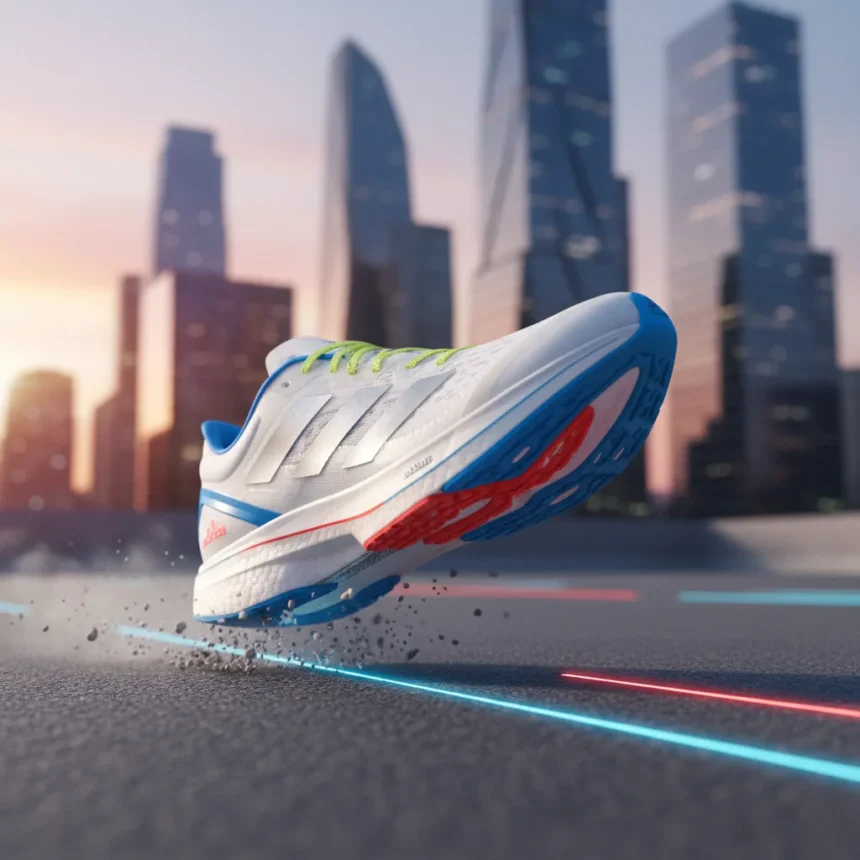
The Adidas Adizero Adios Pro Evo 3 arrives with an audacious claim: it is the lightest carbon racing shoe ever made. For competitive runners chasing marathon personal records or 5K glory, weight matters. Every gram saved is energy preserved. But lightweight alone does not win races—cushioning, responsiveness, and fit do.
Key Takeaways
- The Adidas Adizero Adios Pro Evo 3 claims to be the lightest carbon racing shoe on the market
- Previous generation Adizero Adios Pro Evo 2 weighs 4.9oz in men’s size 9, setting a high bar for comparison
- Competing lightweight racers like the Asics Metaspeed Ray weigh 4.5oz, proving sub-5oz shoes are achievable
- Carbon plate racing shoes demand proper fit and running economy to justify their premium pricing
- Weight reduction must not compromise the cushioning and responsiveness needed for long-distance racing
What Makes the Adidas Adizero Adios Pro Evo 3 Different
Adidas positions the Adizero Adios Pro Evo 3 as the evolutionary peak of its flagship racing line. The Adizero Adios Pro Evo 2, the previous generation, weighs 4.9oz in a men’s size 9, a benchmark that has dominated the racing shoe conversation for years. If the Evo 3 truly claims the title of lightest, it must undercut that figure meaningfully. Weight reduction in racing shoes typically comes from material science innovations—thinner uppers, lighter foam, or refined carbon plate geometry—rather than simply stripping features away.
The competitive landscape matters here. The Asics Metaspeed Ray weighs just 4.5oz in the same size, proving that manufacturers have already pushed below the Evo 2’s weight. For the Adizero Adios Pro Evo 3 to reclaim the lightest-shoe crown, Adidas must have found a way to match or beat Asics’s achievement while maintaining the responsiveness that serious racers demand. That is a narrow engineering window.
Why Weight Matters in Racing Shoes
Racing shoes are not everyday trainers. A runner considering the Adidas Adizero Adios Pro Evo 3 is likely targeting a specific goal—a marathon time, a 10K personal best, or competitive track racing. In that context, shaving ounces translates to reduced fatigue, especially in the final miles when legs grow heavy. A shoe that weighs 4.5oz instead of 5.5oz means one ounce less per foot, or two ounces per stride cycle. Over 26.2 miles, that accumulates.

But lightness without structure fails. The Adidas Adizero Adios Pro Evo 3 must deliver a responsive carbon plate, adequate cushioning in the heel and forefoot, and a snug, secure fit. Too much weight reduction and the shoe becomes fragile or uncomfortable. The engineering challenge is balancing these competing demands—and that is where the Evo 3’s design choices will determine whether it is a legitimate racing tool or marketing hype dressed in Boost foam.
Carbon Plate Racing Shoes: The Competitive Context
Carbon plate shoes have become the default choice for serious distance runners. The Adidas Adizero Adios Pro Evo 2 established itself as a trusted option for runners seeking that combination of lightweight construction and reliable performance. The Asics Metaspeed Ray offers an alternative for runners who prioritize extreme lightness. Neither shoe is perfect for everyone—racing shoe choice depends on foot strike, arch type, and personal preference for stack height and responsiveness.



The Adidas Adizero Adios Pro Evo 3 enters a crowded, competitive field. It cannot rely on the novelty of carbon plate technology anymore. Instead, it must prove that its specific implementation—its foam choice, plate design, and upper construction—delivers a measurable advantage. Runners will compare it directly to the Evo 2 (does it feel faster, or just lighter?) and to competitors like Asics (is the weight savings worth the price difference?). Those are the questions that will determine whether this shoe becomes a race-day staple or a footnote in Adidas’s catalog.
Is the Adidas Adizero Adios Pro Evo 3 Worth the Investment?
Racing shoes command premium prices. The Adizero Adios Pro Evo 3 will likely sit at the high end of the market, justified by its carbon plate and featherweight construction. For a competitive marathon runner with the running economy to benefit from a lightweight shoe, the investment may pay dividends. For a recreational runner logging casual miles, even the lightest racing shoe is overkill and unnecessary.
The real question is durability. Ultralight racing shoes often sacrifice longevity for weight savings. If the Adidas Adizero Adios Pro Evo 3 sheds grams by using thinner materials, it may wear out faster than heavier trainers. That cost per mile could exceed the price advantage. Runners considering this shoe should assess their mileage, their commitment to the racing shoe’s intended purpose, and whether they will actually use it for races or let it languish in the closet as an expensive statement piece.
How does the Adidas Adizero Adios Pro Evo 3 compare to the Evo 2?
The Evo 2 weighs 4.9oz in men’s size 9. If the Evo 3 truly claims the lightest-shoe title, it must undercut that. The upgrade should deliver noticeable weight savings without sacrificing the cushioning and responsiveness that made the Evo 2 a trusted race-day choice. Runners upgrading from the Evo 2 should expect a faster feel and slightly reduced impact protection—the trade-off inherent in any weight reduction.



Should I buy the Adidas Adizero Adios Pro Evo 3 for everyday running?
No. Racing shoes like the Adidas Adizero Adios Pro Evo 3 are engineered for speed and competition, not daily training. They lack the durability and cushioning of dedicated trainers, wear out quickly under high mileage, and cost far more than practical. Reserve this shoe for races and speed workouts only. For everyday miles, invest in a standard training shoe instead.
What is the difference between carbon plate racing shoes and traditional trainers?
Carbon plate racing shoes like the Adidas Adizero Adios Pro Evo 3 embed a rigid carbon fiber plate in the sole to provide propulsive energy return and a snappy, responsive feel. Traditional trainers use softer foam and flexible soles designed for comfort and durability across varied paces. Racing shoes are lighter, faster, and less forgiving; trainers are heavier, cushioned, and more versatile. Choose based on your running goal and experience level.
The Adidas Adizero Adios Pro Evo 3 represents Adidas’s latest gambit in the arms race for the lightest, fastest racing shoe. Whether it delivers on its claim depends on execution—and whether that weight savings translates to real-world race performance. For competitive runners ready to invest in a purpose-built tool, it is worth testing. For everyone else, a standard trainer will serve you better.
Edited by the All Things Geek team.
Source: Tom's Guide