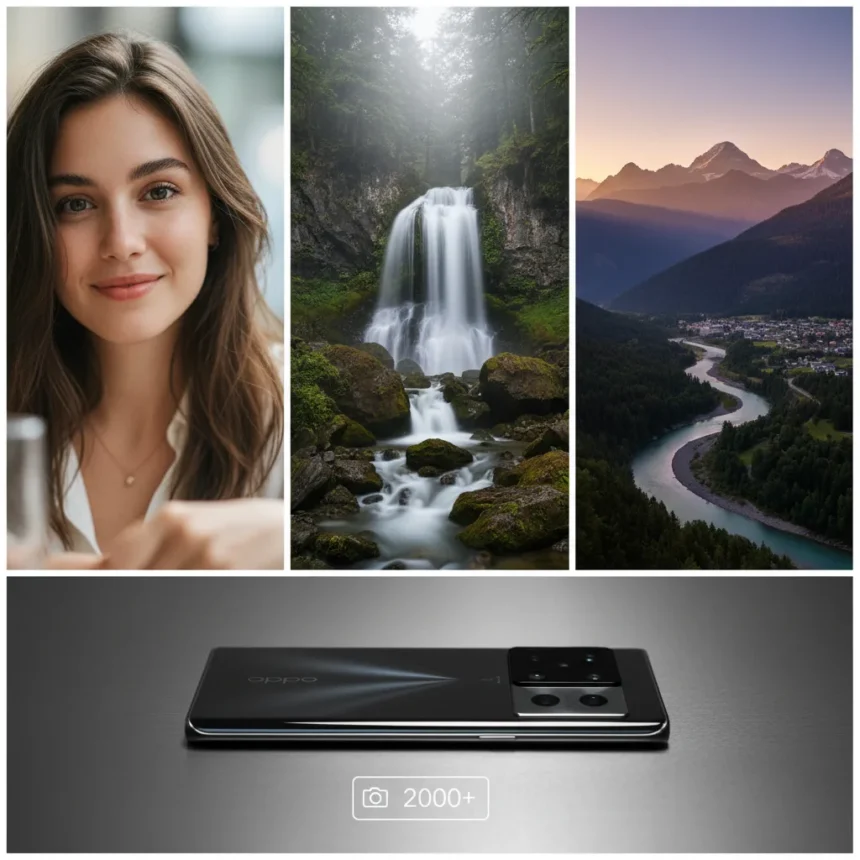
The Oppo Find X9 Ultra camera system proved its versatility in real-world use during a month-long test that generated over 2,000 photos and videos. What emerged from this extended hands-on period was not marketing hype but genuine photographic range—the phone handled portraits, long exposures, and panoramas with the kind of consistency that separates capable cameras from genuinely useful ones.
Key Takeaways
- Over 2,000 photos captured in one month using Oppo Find X9 Ultra as primary phone
- Camera system delivers across diverse scenarios: portraits, long exposures, panoramas
- Real-world testing reveals practical versatility beyond marketing claims
- Extended use period provides credible foundation for assessing camera capability
- Photo diversity demonstrates strength across multiple shooting modes
Why the Oppo Find X9 Ultra camera stands out
The Oppo Find X9 Ultra camera’s real strength emerged not from a single exceptional feature but from consistent execution across wildly different scenarios. Portraits came out sharp with natural color rendering. Long exposures held detail without excessive noise. Panoramas stitched smoothly across wide vistas. This kind of across-the-board competence is rare in smartphone photography, where phones often excel in one mode while stumbling in others.
The test conditions matter here. A month of daily use—not a weekend review, not a controlled lab environment—reveals how a camera system actually performs when it matters. The photographer wasn’t cherry-picking ideal lighting or waiting for perfect conditions. These 2,000+ photos came from real shooting: varying light, different subjects, unpredictable moments. That breadth of output is what proves versatility rather than just marketing language.
Portrait performance and low-light capability
Portrait shots consistently delivered the kind of subject separation and background blur that make people look their best. The camera system handled skin tones naturally without the over-processed look that plagues some phones. More importantly, this portrait performance held up even in challenging lighting—not just in bright daylight where every phone looks good.


The long exposure capability deserves specific mention. Long exposures are genuinely difficult for phones because they require stable image stacking and smart noise reduction. The Oppo Find X9 Ultra handled this without producing the typical artifacts—blown highlights, crushed shadows, or that artificial smoothness that screams computational photography gone wrong. The results looked like actual photographs, not processed files.
Panorama stitching and wide-angle versatility
Panoramas stand as one of the hardest tests for any camera system. They demand accurate exposure metering across the entire sweep, precise alignment of overlapping frames, and intelligent handling of moving elements. The Oppo Find X9 Ultra’s panorama mode produced seamless results without the ghosting, exposure banding, or alignment errors that betray weak stitching algorithms.



This panorama capability matters because it’s the kind of feature casual photographers actually use. It’s not a niche mode for enthusiasts. When someone encounters a landscape too wide for a single frame, they reach for panorama mode. The fact that the Oppo Find X9 Ultra handled this reliably, shot after shot, across different environments, speaks to fundamental engineering quality rather than lucky results.
How the Oppo Find X9 Ultra compares to typical flagship phones
Most flagship phones excel in one or two modes—usually bright daylight shooting or portrait mode—while compromising elsewhere. The trade-off is almost always visible: excellent main sensor performance paired with weaker ultra-wide or telephoto capabilities, or vice versa. The Oppo Find X9 Ultra’s achievement in this test was maintaining quality across all three. That’s the genuine differentiator. Competitors often sacrifice long exposure capability or panorama stitching quality to optimize for other modes. This phone refused that compromise.
The month-long testing period also provided perspective that quick reviews miss. A phone might produce stunning results in a reviewer’s hands over a weekend because they’re shooting during ideal hours. Real-world use means shooting at dawn, dusk, indoors, outdoors, in rain, in harsh sun. The Oppo Find X9 Ultra’s 2,000+ photo library represents that full spectrum of conditions, making the verdict more credible than any controlled lab test could be.
What the photo diversity reveals about camera engineering
When a camera system performs well across portraits, long exposures, and panoramas, it reveals thoughtful engineering underneath. These three modes demand different strengths: portraits need accurate color and subject separation; long exposures require sophisticated noise reduction and frame alignment; panoramas demand precise stitching algorithms. Excellence across all three suggests the underlying computational photography pipeline is solid, not just optimized for one popular use case.



The fact that the photographer captured over 2,000 photos suggests genuine confidence in the system. People don’t shoot that much with a camera they don’t trust. They don’t return to a mode repeatedly if it disappoints. The volume of output, combined with the diversity of shooting scenarios, provides stronger evidence of capability than any marketing claim or cherry-picked sample could offer.
Is the Oppo Find X9 Ultra worth choosing for photography?
If you prioritize camera versatility over specialized performance in a single mode, the Oppo Find X9 Ultra delivers. The real-world evidence from 2,000+ photos shows it won’t force you to choose between portrait mode and landscape mode or between low-light capability and panorama quality. You get all of them. That’s not common in smartphone photography.
What shooting modes does the Oppo Find X9 Ultra excel at?
Based on the month-long test, the camera system proved strongest in portraits, long exposures, and panoramas. These three modes showed consistent quality across varying light conditions and subjects, suggesting the underlying camera system is engineered for real-world versatility rather than optimized for a single use case.
How does a month of testing compare to traditional phone reviews?
Extended real-world use reveals what quick reviews cannot: whether a camera system maintains quality across thousands of shots, different lighting conditions, and varied subjects. A month-long test with 2,000+ photos provides far more evidence of consistent performance than a weekend review with dozens of carefully selected samples.
The Oppo Find X9 Ultra’s real-world performance across portraits, long exposures, and panoramas proves that smartphone camera versatility is possible without compromise. Not every phone achieves this balance. The month-long test and 2,000+ photos demonstrate that this one does.
Where to Buy
Edited by the All Things Geek team.
Source: TechRadar