




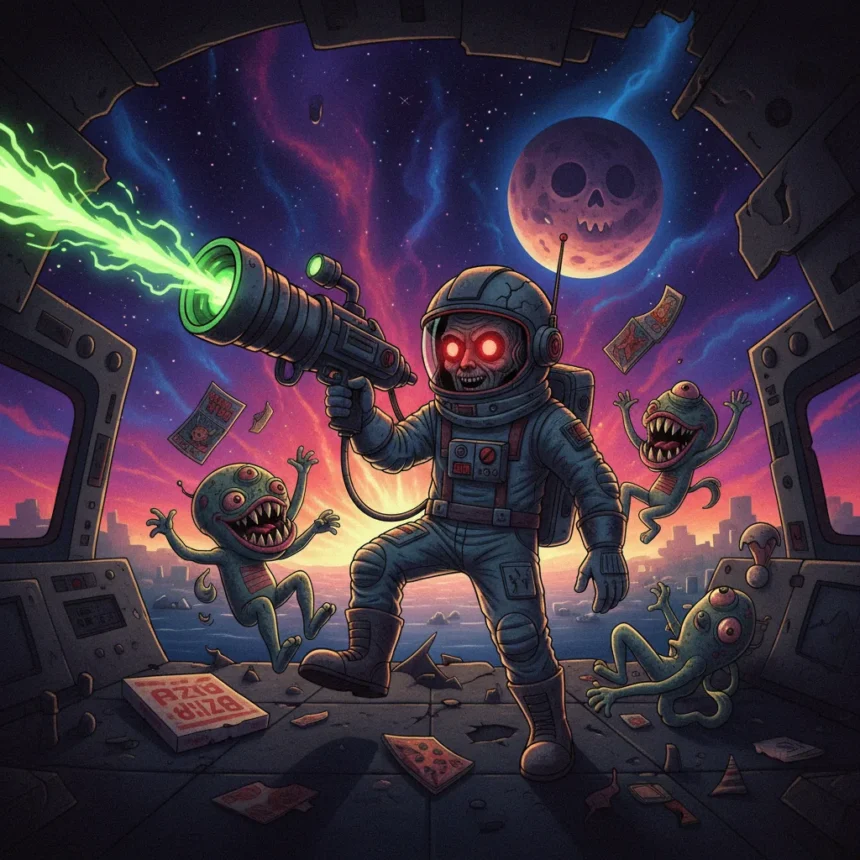
Directive 8020 space horror represents Supermassive Games’ deliberate pivot into sci-fi territory for the Dark Pictures Anthology. Executive producer Dan McDonald recently explained the creative reasoning behind the choice: it boils down to genre dominance and pure enjoyment. The studio always planned to set a Dark Pictures game in space, and when the moment came, the decision felt obvious.
Key Takeaways
- Directive 8020 is Supermassive’s next Dark Pictures Anthology entry set in space.
- Dan McDonald, executive producer, led the creative vision for the sci-fi setting.
- Horror franchises across film, TV, and games thrive in sci-fi environments.
- The space setting was chosen because it’s enjoyable to develop and play.
- Supermassive had always intended to explore space within the Dark Pictures universe.
Why Sci-Fi Horror Dominates Entertainment
The sci-fi space has become a proving ground for horror storytelling across every medium. Dan McDonald observed that when examining horror franchises, movies, and games, the sci-fi presence looms enormous. This isn’t coincidence — it’s a structural advantage. Science fiction provides built-in isolation (hostile environments, remote stations), existential dread (unknown creatures, malfunctioning technology), and visual spectacle that horror thrives on. Franchises from Alien to Dead Space to The Expanse demonstrate that audiences crave horror experiences wrapped in futuristic settings.
Supermassive recognized this pattern and decided to lean into it rather than fight it. The Dark Pictures Anthology had explored haunted mansions, folklore-driven narratives, and supernatural mysteries. Space represented untapped territory within the studio’s existing framework — a natural evolution that would feel fresh to players familiar with earlier entries while maintaining the core DNA of choice-driven, narrative-heavy horror.
The Simple Creative Logic Behind Directive 8020 Space Horror
McDonald’s explanation cuts through industry jargon: the space setting was chosen because it’s just fun. That’s not marketing speak — it’s a fundamental creative principle. Developers working on Directive 8020 space horror benefit from the genre’s built-in advantages. Zero-gravity sequences, airlock failures, depressurization threats, and the void itself become natural antagonists. The environment becomes a character. Players feel genuine vulnerability in ways that earthbound horror sometimes struggles to achieve.



This approach also distinguishes Directive 8020 from the Dark Pictures Anthology’s previous entries. Earlier games drew heavily from established horror tropes — possessed houses, cursed families, archaeological curses. A space setting forces the narrative team to rethink pacing, environmental storytelling, and threat design. The confined spaces of a space station or ship create claustrophobia. The infinite void creates agoraphobia. Both emotions amplify horror’s emotional impact.
Directive 8020 Within the Dark Pictures Legacy
The Dark Pictures Anthology has built its reputation on branching narratives where player choices genuinely affect outcomes. Man of Medan, Little Hope, House of Ashes, and The Devil in Me each brought different historical or supernatural frameworks to that core formula. Directive 8020 space horror extends this pattern into speculative territory. The anthology thrives on variety — each entry feels distinct while sharing the studio’s signature approach to interactive storytelling.



Placing Directive 8020 in a sci-fi setting allows Supermassive to explore new character archetypes, new threat types, and new environmental storytelling techniques. Astronauts, scientists, and engineers replace historians and paranormal investigators. Corporate conspiracy replaces supernatural mystery. The fundamental mechanics of choice-driven horror remain intact, but the context transforms everything. This balance between innovation and consistency is what keeps anthology series fresh across multiple entries.
Is Directive 8020 a natural fit for the Dark Pictures Anthology?
Yes. The Dark Pictures formula — ensemble casts, branching narratives, quick-time events, and genuine consequences — translates smoothly into sci-fi horror. Space provides isolation and environmental threats that enhance rather than complicate the established structure. Players already expect multiple character perspectives and interconnected storylines, so a space station setting simply changes the backdrop, not the mechanics.
Why did Supermassive choose space over other settings?
Dan McDonald cited the dominance of sci-fi across horror franchises as the primary reason. Horror thrives in space because the setting naturally generates tension, isolation, and existential dread. It’s a genre that works, and it’s genuinely fun to develop within.
How does Directive 8020 differ from previous Dark Pictures games?
While earlier entries drew from historical events, folklore, and supernatural mythology, Directive 8020 space horror ventures into speculative sci-fi territory. The environment, character roles, and threat types are entirely different, though the core choice-driven narrative structure remains consistent with the anthology’s established formula.



Directive 8020 space horror succeeds because Supermassive Games recognized a simple truth: horror works in sci-fi environments, and players enjoy experiencing it there. The studio didn’t overcomplicate the decision or burden it with unnecessary justification. Sometimes the best creative choices are the most straightforward ones — pick a setting that serves the genre, that excites the development team, and that feels fresh to players. Space checks all three boxes, and that’s why Supermassive confidently placed the next Dark Pictures entry there.
This article was written with AI assistance and editorially reviewed.
Source: TechRadar