Natural wasp repellent herbs are becoming essential for anyone trying to reclaim their outdoor spaces. Wasps are increasingly taking over patios, gardens, and barbecues, but before calling an exterminator, consider the two-herb approach that creates a practical barrier without chemicals.
Key Takeaways
- Lavender and peppermint are the two herbs that repel wasps most effectively when planted strategically
- Plant lavender near home entryways and outdoor dining areas where wasps congregate
- Peppermint deters wasps, fruit flies, rodents, and spiders simultaneously
- Garlic cloves should be planted 2 inches deep, 6 inches apart, with weekly watering in USDA zones 4-9
- Natural repellents cost significantly less than professional pest control services
Why natural wasp repellent herbs beat chemical solutions
The appeal of natural wasp repellent herbs lies in their dual purpose: they protect your outdoor space while adding culinary or ornamental value to your garden. Unlike sprays or traps, plants work continuously throughout the growing season. Plants like lavender, chrysanthemum, marigold, and lemongrass are natural bug repellents because of their smell. This aromatic defense mechanism keeps wasps at a distance without toxic residues on surfaces where you eat or relax.
Lavender specifically repels pests when planted near home entryways or applied as oil on skin. It thrives in sunny spots and requires minimal maintenance once established. Peppermint deters wasps, fruit flies, rodents, and spiders, making it a multipurpose addition to any garden strategy. The combination covers more ground than relying on a single herb.
The exact planting strategy for natural wasp repellent herbs
Location matters as much as the herbs themselves. Position lavender near your patio, deck, or outdoor dining area where wasps typically investigate food and drinks. Plant it in clusters rather than single specimens—the concentrated scent creates a stronger deterrent. Peppermint should go near seating areas and garden borders where you spend the most time.


For garlic as a supporting repellent, plant cloves 2 inches deep, 6 inches apart, with ½ to 1 inch of water weekly in USDA zones 4-9. Onions suit USDA zones 5-10. Both work as secondary defenses and provide culinary benefits. Space your herb plantings at least a few feet from your seating area—the goal is to create a perimeter that discourages wasps from entering your immediate outdoor zone.
Alternative natural wasp repellent herb combinations
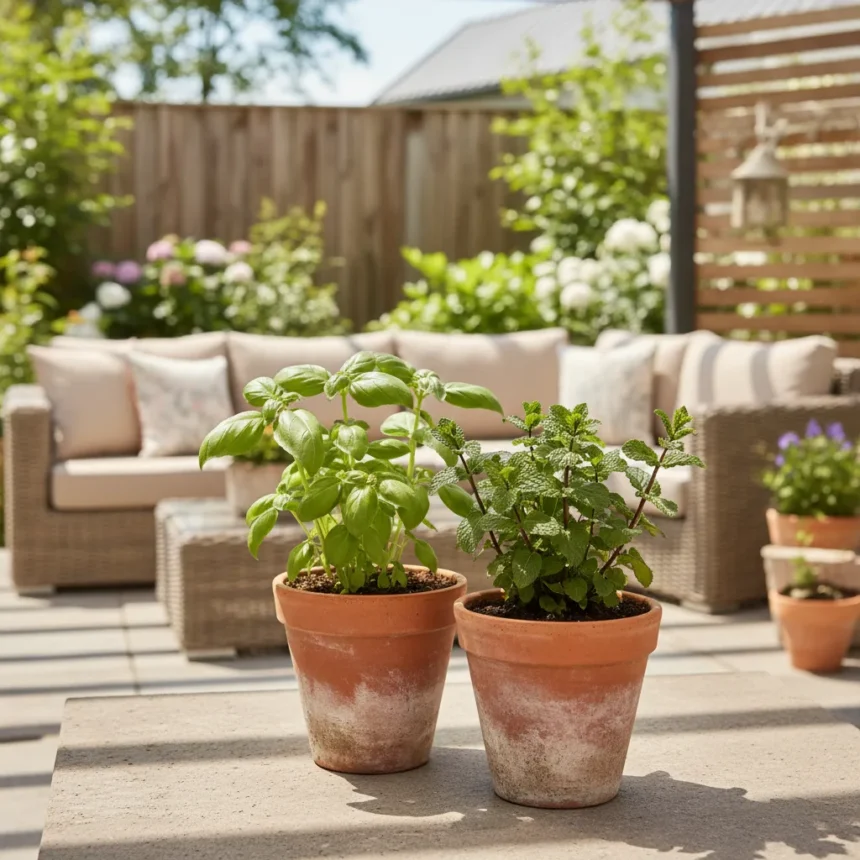
If lavender and peppermint don’t fit your garden plan, other combinations work. Basil, lemongrass, and rosemary placed in vases or bowls near outdoor dining tables offer protection while staying portable. This approach suits renters or those without garden space. Cloves soaked in warm water create a sprayable solution for targeted application.



Cucumber slices on window ledges and entryways repel wasps but require replacement before they mold. Banana peels placed in buckets with drainage holes trap pests passively. Each method targets wasps differently—some rely on scent, others on physical barriers—so combining approaches increases effectiveness.
How natural wasp repellent herbs compare to professional pest control
Professional exterminators charge hundreds of dollars for seasonal treatments, whereas herb seeds and seedlings cost a fraction of that price. Natural wasp repellent herbs offer long-term value: once planted, they return year after year with minimal investment beyond initial watering and occasional pruning. They also avoid chemical exposure for children and pets in your outdoor space.
The tradeoff is patience. While chemical treatments work immediately, natural wasp repellent herbs build their deterrent effect over weeks as they establish and release their oils into the air. For homeowners willing to plant in spring or early summer, the cost savings and safety profile outweigh the delayed results.
Do natural wasp repellent herbs actually work year-round?
Natural wasp repellent herbs work best during growing season when plants are actively releasing scent compounds. In winter, dormant herbs lose effectiveness, so wasps may return during warmer months if plants haven’t survived or regrown. Perennial varieties like lavender and peppermint reliably return each spring in appropriate zones, maintaining your defense without replanting.



Can I use natural wasp repellent herbs in pots instead of garden beds?
Yes. Container gardening with natural wasp repellent herbs works well for patios and small spaces. Plant lavender and peppermint in separate pots with drainage holes, position them near seating areas, and move them indoors before frost. Potted herbs require more frequent watering than in-ground plants but offer flexibility to adjust placement based on where wasps congregate.
What’s the fastest way to start using natural wasp repellent herbs?
Buy established seedlings from a nursery rather than starting from seed—you’ll see results within weeks instead of months. Plant them immediately in sunny, well-draining soil. Alternatively, use dried lavender or peppermint oil on cotton balls placed around your outdoor space as a temporary measure while your garden develops.
Natural wasp repellent herbs offer a practical, affordable solution for reclaiming your outdoor space without chemicals or expensive professional services. Plant lavender and peppermint strategically around your patio and seating areas, add supporting herbs like garlic or basil, and you’ll create an environment where wasps simply prefer to hunt elsewhere. The investment is small, the payoff is season-long, and you gain fresh herbs for cooking as a bonus.
Edited by the All Things Geek team.
Source: Tom's Guide