





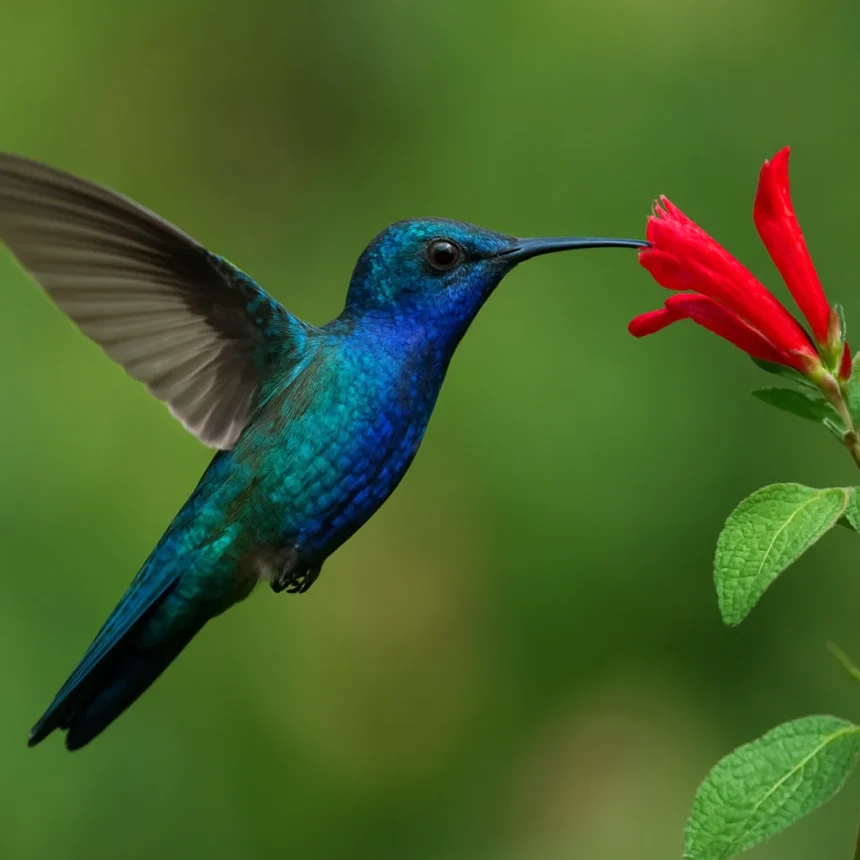
The blue shrub hummingbird myth is dead. For decades, gardeners have planted red flowers as the default strategy for attracting hummingbirds, assuming the birds ignore anything else. That assumption is wrong. Hummingbirds are attracted to blue, purple, pink, yellow, and orange blooms just as readily as red—provided the flowers have the right shape and nectar content.
Key Takeaways
- Hummingbirds are drawn to tubular flowers in multiple colors, not red alone.
- Blue shrubs like catmint and globe thistle deliver consistent hummingbird activity.
- Flower clusters attract more hummingbirds than isolated plants.
- Nectar-rich blooms with extended seasonal timing maximize hummingbird visits.
- Blue flowering plants reduce competition from bees, making nectar more accessible to hummingbirds.
Why Blue Shrub Hummingbird Plants Challenge the Red-Only Rule
The conventional wisdom that hummingbirds need red flowers stems partly from observation and partly from accident. Red flowers often contain abundant nectar and tend to attract fewer bees, leaving more food for hummingbirds. But this does not mean hummingbirds ignore other colors. Research across Tom’s Guide’s hummingbird coverage shows that birds forage on flowers of multiple colors, with particular affinity for tubular shapes that match their beak and feeding mechanics. A blue shrub hummingbird garden performs just as well as a red one when you choose the right species.
The shift from red-only thinking to color diversity opens up real design possibilities. Instead of planting yet another cardinal flower or bee balm—both excellent, both red—gardeners can now weave in catmint with its lavender-blue tubular blooms, or globe thistle with its spherical blue flower heads. These plants deliver the same hummingbird traffic without the monotony of an all-red border.
Best Blue Shrub Hummingbird Options for Your Yard
Catmint (Nepeta) stands out as the most reliable blue shrub hummingbird attractor. It produces lavender-blue tubular flowers that hummingbirds recognize instantly, and the plant blooms prolifically throughout the season. Catmint thrives in full sun and well-draining soil, making it forgiving for beginners. Unlike some perennials, it does not demand constant fussing.


Globe thistle offers a second strong option. Its spherical blue blooms create visual drama while pulling in hummingbirds reliably. The architectural form of globe thistle also adds textural interest to summer gardens, making it valuable beyond just pollinator appeal. Both plants work in temperate climates and require minimal maintenance once established.
For gardeners in warmer zones willing to invest in a shrub with year-round color, lantana deserves consideration. While lantana blooms emerge yellow and shift through orange, red, and pink as they age, the multicolored flowerheads attract hummingbirds, bees, and butterflies with equal enthusiasm. Lantana grows in US hardiness zones 7–11 and thrives in warm, sunny conditions with drought tolerance once established. It reaches about 18 inches in height, making it suitable for containers or garden beds.


How to Plant Blue Shrub Hummingbird Gardens for Maximum Visits
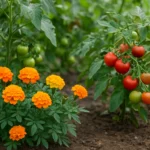
Planting strategy matters as much as plant choice. Hummingbirds respond more strongly to clusters of flowers than to isolated plants scattered across the yard. This means grouping three to five blue shrubs together, rather than spacing them evenly, creates a nectar hotspot that attracts sustained activity. The visual impact of a massed planting also reads more clearly to passing hummingbirds searching for food sources.
Timing extends the hummingbird season. Choose blue shrub hummingbird plants with different bloom cycles—early catmint paired with mid-season globe thistle, for example—to keep nectar available from spring through fall. This continuous supply keeps hummingbirds returning to your yard rather than moving on to neighbors who only planted red flowers that peaked in June.
Placement near shelter strengthens hummingbird residency. Position your blue shrub plantings within a few feet of trees, bushes, or brush piles that provide escape routes and resting spots. Hummingbirds are hypervigilant; they need security as much as food. A blue shrub hummingbird bed in open lawn will see far fewer visits than the same planting tucked near cover.
Care Requirements for Blue Shrubs
Catmint demands minimal intervention. Plant it in full sun—at least six hours daily—and allow the soil to dry slightly between waterings. Deadheading spent blooms encourages continuous flowering, extending the hummingbird season. Most gardeners find catmint self-sufficient after the first year.



Globe thistle similarly prefers sun and well-draining soil. It is drought-tolerant once rooted and rarely needs fertilizer. The main task is dividing established clumps every three to four years to maintain vigor.
Lantana requires more attention if grown in containers. Keep the soil consistently moist but not waterlogged, and provide six hours of direct sun daily for best blooming. Deadhead spent flower clusters regularly to trigger new blooms throughout the season. In tropical and subtropical regions, grow lantana in containers with restricted root space to prevent invasiveness; use well-draining potting soil and a pot with adequate drainage holes.
Blue Shrub Hummingbird vs. Traditional Red Flower Alternatives
Red flowers like bee balm and cardinal flower remain excellent hummingbird plants, but they dominate most gardens already. A blue shrub hummingbird strategy offers visual diversity and often performs equally well at attracting birds. The advantage is not that blue works better—it works as well—but that it expands your design palette. You can plant red, blue, and purple in the same bed without repetition or boredom.
Another practical edge: blue flowers like catmint and globe thistle tend to have fewer bee visitors than red blooms, leaving more nectar available for hummingbirds. This is not because hummingbirds prefer blue; it is because bees show stronger preference for red. In a mixed planting, your blue shrubs become efficient nectar reserves specifically accessible to hummingbirds.
Do hummingbirds really visit blue flowers as much as red ones?
Yes. Hummingbirds forage on flowers of many colors—blue, purple, pink, yellow, and orange—provided the blooms are tubular and nectar-rich. The myth that they need red flowers is outdated. Studies across gardening publications confirm that hummingbirds respond to flower shape and nectar content far more than color alone.
What is the best blue shrub hummingbird plant for beginners?
Catmint is the easiest starting point. It grows quickly, tolerates poor soil, and blooms prolifically without fussy care. Plant it in full sun, water occasionally, and deadhead spent flowers to keep the display going. Most beginners see hummingbird visits within the first season.
Can I grow a blue shrub hummingbird plant in a container?
Catmint and globe thistle can live in large containers with good drainage, though they prefer in-ground planting. Lantana thrives in containers and is actually recommended for pot growing in warm zones to control invasiveness. Use well-draining potting soil and water regularly during the growing season.
The blue shrub hummingbird revolution is not about discovering a secret plant—it is about abandoning an outdated rule. Red flowers work. Blue flowers work too. The real win is choosing plants that suit your garden’s style, your climate, and your maintenance tolerance, while knowing that hummingbirds will visit regardless of color. Plant clusters of tubular, nectar-rich blooms near shelter, keep them blooming across seasons, and the hummingbirds will come. Tradition says red. Your garden says otherwise.
Where to Buy
BirdBuddy Smart Solar Pro Hummingbird Feeder:
Edited by the All Things Geek team.
Source: Tom's Guide






