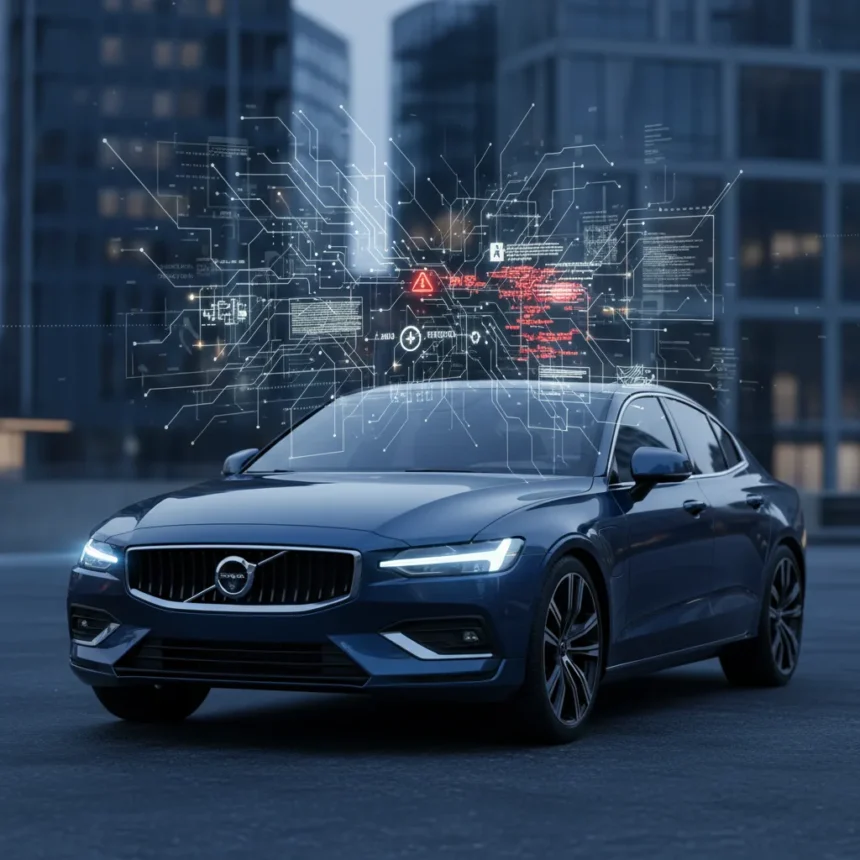
The Volvo S60 Recharge is a plug-in hybrid sedan that promises efficiency and modern tech, but a week behind the wheel exposed a troubling disconnect: excellent hardware undermined by software that feels half-baked. This gap between what the car can do and what its systems actually let you do is the real story.
Key Takeaways
- Hardware quality is solid, but software execution creates daily frustration.
- The disconnect between capability and usability reveals vehicle tech’s true importance.
- Integration issues suggest automakers are racing to add features without refining them.
- Driver experience depends more on software polish than engine specs.
- The S60 Recharge shows why software matters as much as horsepower.
Hardware Promises, Software Reality
The S60 Recharge’s engineering is competent. The hybrid powertrain works, the interior feels premium, and the chassis delivers a composed ride. But open the infotainment menu and the experience fractures. Features exist on paper that feel clunky in practice—menus buried three levels deep, touchscreen responsiveness that lags, climate controls that require more taps than they should. A reader scrolling through a car’s feature list sees impressive specs; a driver living with the car every day encounters friction at every interaction.
This is where software separates good cars from great ones. A powerful engine is useless if the transmission hunts for gears. A beautiful interior is frustrating if the controls are illogical. The S60 Recharge has the building blocks of a compelling sedan, but the software glue holding them together feels like an afterthought. Volvo clearly prioritized getting features into the car over making those features intuitive.
Why the Volvo S60 Recharge Reveals a Bigger Problem
The S60 Recharge’s software struggles are not unique—they are symptomatic of how the automotive industry approaches technology. Automakers bolt on features, layers of complexity, and connectivity without the discipline that consumer electronics companies apply to user experience. A smartphone maker ships a feature only after ruthless testing and iteration. An automaker ships a feature because competitors have it, then patches it later. The Volvo’s infotainment system feels like evidence of this approach: capable but unrefined, feature-rich but frustrating to navigate.


Compare this to how Tesla handles vehicle software. Love or hate Tesla’s approach, the company treats software as central to the product, not peripheral. Every interface is questioned, every menu structure justified. The S60 Recharge feels like Volvo added technology to a traditional car design rather than designing the car around software-first thinking. That philosophical difference shows up in daily use.
The Plug-in Hybrid Paradox
The S60 Recharge’s hybrid system itself works well—battery range is adequate, the gas engine engages smoothly, efficiency gains are real. But the software that manages the powertrain’s complexity feels disconnected from the driver’s needs. You want to force electric-only mode for a short city trip? The menu structure makes it a hunt. You want to see real-time efficiency data? It exists, but buried. The hardware can do sophisticated things; the software just doesn’t make it easy to control them.



This matters because plug-in hybrid owners care about optimization. They want to maximize electric miles, monitor efficiency, and understand their vehicle’s behavior. A well-designed software interface would make this intuitive. The S60 Recharge’s interface makes it feel like an afterthought, which defeats the purpose of owning a plug-in hybrid in the first place.
Should You Buy the Volvo S60 Recharge?
If you prioritize build quality, safety, and Scandinavian design, the S60 Recharge delivers. If you value seamless technology and intuitive controls, look elsewhere. The gap between what this car is capable of and what its software lets you actually do is significant enough to matter over years of ownership. A week behind the wheel showed that Volvo has the engineering talent to build a competitive sedan—it just needs to match that talent with software discipline.
Is the Volvo S60 Recharge worth the premium over a standard S60?
The plug-in hybrid system adds efficiency and performance, but the software managing that complexity needs refinement. If you have a predictable commute with charging access, the electric range justifies the cost. Otherwise, the software limitations make the premium harder to defend.
How does the S60 Recharge compare to competitors?
Competitors like the BMW 330e and Mercedes-Benz C300e offer similar hardware strategies but execute software differently. The BMW’s iDrive system, for instance, prioritizes logical menu structure. The Volvo’s Sensus system feels more cluttered, suggesting Volvo prioritized feature count over usability.



What infotainment issues did the Volvo S60 Recharge exhibit?
The touchscreen response time lags noticeably, climate controls require excessive menu navigation, and hybrid powertrain management is buried in submenus. These are not deal-breakers individually, but collectively they create daily friction that a car at this price point should not impose.
The Volvo S60 Recharge proves that in modern vehicles, software is not a feature—it is the product. Hardware excellence matters only if the software lets you access it intuitively. Volvo built a competent car with impressive specs, then handicapped it with interfaces that feel rushed. Until the company treats software with the same rigor it applies to chassis engineering, cars like the S60 Recharge will remain frustrating reminders of what could be.
Edited by the All Things Geek team.
Source: Tom's Guide