





iPhone-to-Android texting has been broken for years, but Apple’s iOS 26.5 beta finally closes the gap with end-to-end encrypted RCS support. This is the fix that should have arrived when Apple first added RCS in iOS 18, but didn’t. Now, conversations between iPhone and Android users will be as secure and feature-rich as they should have been all along.
Key Takeaways
- iOS 26.5 beta introduces end-to-end encryption for RCS chats between iPhone and Android devices.
- RCS enables high-resolution media, read receipts, typing indicators, reactions, and stickers—features SMS and MMS lack entirely.
- Apple’s initial iOS 18 RCS rollout lacked encryption, leaving cross-platform chats vulnerable.
- Regulatory pressure from China’s 5G phone requirements drove Apple’s RCS adoption strategy.
- Less than 20% of iPhones ran iOS 18 as of October 2024, limiting early RCS reach.
What Is RCS and Why It Matters for iPhone-to-Android Texting
RCS, or Rich Communication Services, replaces the aging SMS and MMS standards with a modern messaging protocol designed for the smartphone era. Unlike SMS, which tops out at basic text and low-resolution media, RCS delivers high-resolution photos and videos, read receipts, typing indicators, reactions, and stickers. For iPhone-to-Android texting specifically, RCS eliminates the quality gap that has frustrated users for over a decade. When an iPhone user sends a photo to an Android phone via SMS, it arrives compressed and pixelated. RCS sends it at full resolution. Group chats no longer fall apart with missing messages or broken threading.
Google Messages on Android has supported RCS with end-to-end encryption for years, but Apple’s silence on encryption left iPhone-to-Android conversations vulnerable. A message sent from an iPhone to an Android device traveled unencrypted across carriers’ networks—a significant security gap for a company that markets itself on privacy. iOS 26.5 beta finally aligns Apple’s RCS implementation with Google’s encryption standard, making iPhone-to-Android texting genuinely secure.
Why Apple Waited So Long on iPhone-to-Android Texting Encryption
Apple’s decision to adopt RCS came reluctantly, driven more by regulatory mandates than consumer pressure. China requires all 5G phones to support RCS for regulatory approval, and China accounts for roughly 20% of Apple’s annual sales. This regulatory requirement, not user complaints or Google’s lobbying, pushed Apple to implement RCS in the first place. The company dragged its feet on encryption because iMessage, Apple’s proprietary ecosystem messaging platform, is a key differentiator that keeps users locked into the Apple ecosystem. Encrypted iMessage between iPhones works flawlessly; SMS between iPhone and Android users has always been deliberately inferior by comparison.


The encryption delay in iOS 18 reflected this tension. Apple could add RCS support to comply with regulations while maintaining the feature gap between iPhone-to-iPhone and iPhone-to-Android messaging. Only when the competitive and regulatory pressure intensified did Apple commit to full encryption in iOS 26.5 beta. Even now, adoption will be slow—Statcounter data from October 2024 showed less than 20% of iPhones running iOS 18, meaning iPhone-to-Android texting will only improve for a fraction of users until later iOS versions gain wider adoption.
How iPhone-to-Android Texting Compares to iMessage and WhatsApp
iMessage remains superior for iPhone-to-iPhone conversations because it integrates deeply with Apple’s ecosystem and includes features RCS does not yet support at scale. However, for the cross-platform use case—texting an Android user from an iPhone—RCS now closes most of the gap. High-resolution media, reactions, typing indicators, and read receipts were the main complaints about SMS fallback. RCS delivers all of these. The experience now mirrors what WhatsApp or Signal users have enjoyed for years, except it works through the default messaging app without requiring users to switch platforms or install third-party software.


WhatsApp and similar apps still offer advantages: better group management, message search, cloud backups, and cross-device syncing. But for casual texting between iPhone and Android friends, RCS eliminates the frustration of watching photos arrive pixelated or group chats collapse into chaos. It is not a revolutionary change, but it is the change that should have happened three years ago.
When Will iPhone-to-Android Texting Actually Work for Everyone?
iOS 26.5 beta is available to developers and beta testers now, but the public rollout timeline remains unclear. Even after a general release, adoption will lag. Users must update to iOS 26.5 or later and manually enable RCS in their messaging settings. Android users need to be running a recent version of Google Messages with RCS enabled. Given that less than 20% of iPhones were on iOS 18 nearly two years after its release, the real-world impact of encrypted iPhone-to-Android texting will take time to materialize. Many iPhone users will continue sending degraded SMS messages to Android contacts for months or years simply because they have not updated their OS or toggled a setting.
This is Apple’s pattern: announce compliance with a regulation, implement it minimally, and let adoption happen at glacial pace. The company is not rushing to make iPhone-to-Android texting seamless because iMessage differentiation remains valuable. But for users who have waited years for this fix, iOS 26.5 beta represents genuine progress. The security gap closes. The feature gap shrinks. Cross-platform texting finally feels modern.
Does RCS work automatically between iPhone and Android?
RCS requires both devices to run compatible software and have RCS enabled. On iPhone, users need iOS 18 or later and must toggle RCS support in Settings. Android users need Google Messages as their default app with RCS activated. If either device lacks these requirements, the conversation falls back to SMS. There is no automatic negotiation—both sides must be ready.

Is RCS encrypted on all iPhone-to-Android chats?
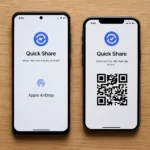
iOS 26.5 beta enables end-to-end encryption for RCS between iPhone and Android, but only when both devices support it and RCS is active. Conversations that fall back to SMS are not encrypted. The encryption is not automatic; it depends on the software versions and user settings on both ends of the conversation.
Why did Apple take so long to encrypt iPhone-to-Android texting?
Apple prioritizes iMessage as a competitive advantage and kept iPhone-to-Android messaging deliberately limited to protect ecosystem lock-in. Regulatory pressure from China’s 5G requirements forced RCS adoption, but encryption only arrived after further competitive and regulatory pressure mounted. The delay reflects business strategy, not technical limitation.
iPhone-to-Android texting has been a sore point for a decade, and iOS 26.5 beta finally addresses it. The fix is not revolutionary, but it is necessary. Users who have watched their photos arrive pixelated and group chats collapse will appreciate the upgrade. For Apple, it is a concession to reality: cross-platform messaging is no longer optional, and encryption is no longer negotiable. The green bubble era of deliberately inferior Android texting is ending, at last.
Edited by the All Things Geek team.
Source: Android Central




