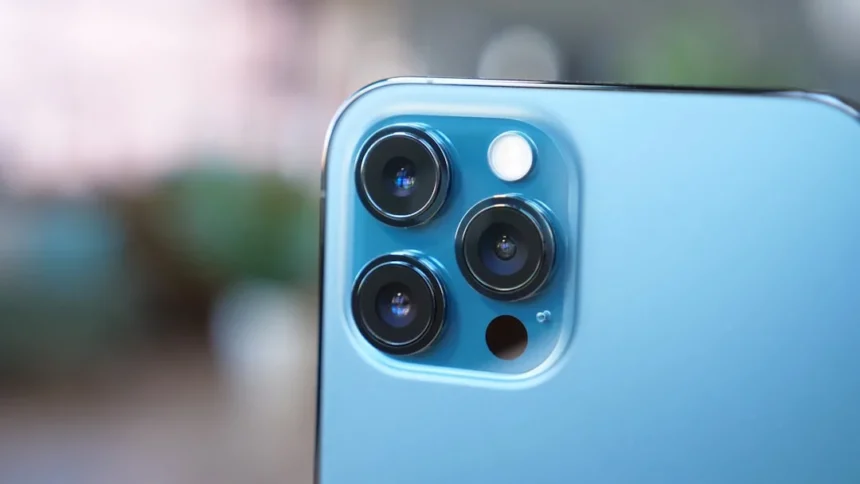
iPhone Pro camera controls may finally arrive in iOS 27, according to leaker Majin Bu on X, potentially ending years of reliance on third-party apps for manual photography. The rumored update would introduce a native Pro mode with sliders for shutter speed, ISO, white balance, manual focus, and exposure compensation directly in Apple’s Camera app.
Key Takeaways
- iOS 27 Pro mode would add native manual controls to iPhone’s Camera app, eliminating the need for third-party apps like Halide or Lightroom.
- Sliders would control shutter speed, ISO, white balance, manual focus, and exposure compensation with real-time preview updates.
- Google Pixel 9 Pro and Samsung Galaxy S25 already offer full native Pro modes, giving Android a decade-long lead on this feature.
- A18 Pro chip required for full ProRes and ProRAW support; iOS 27 expected fall 2026 with iPhone 18 launch.
- Apple Intelligence could add AI-assisted scene analysis for optimal settings suggestions.
What iPhone Pro camera controls would actually do
The leaked mockups from Majin Bu show a straightforward interface: toggling a Pro button in the viewfinder reveals adjustment sliders. Shutter speed would range from 1/1000th of a second to 30 seconds, ISO from 100 to 12,800, and white balance adjustable on the Kelvin scale. A manual focus slider and exposure compensation controls complete the set. Real-time histogram and level grid overlays would help frame shots precisely.
This mirrors what professional photographers already do on Android. Google Pixel 9 Pro and Samsung Galaxy S25 Ultra both ship with native Pro modes offering identical manual controls. Sony’s Xperia 1 VI goes further, mimicking Alpha camera workflows with a dedicated Photography Pro app. iPhone users have relied on workarounds—Halide for manual controls and Log recording, ProCamera for RAW capture and ND filters, Lightroom for cloud integration—for years. Baking these controls into the stock app removes friction and unifies the experience across all iPhones running iOS 27.
Why this matters for professional iPhone users
The timing is significant. iPhone 16 Pro introduced a Camera Control button with haptic feedback, a hardware foundation for quick access to settings. iOS 27 Pro camera controls would complete that vision, letting photographers adjust exposure on the fly without fumbling through menus. For hybrid shooters who mix smartphones with DSLRs, native controls reduce the learning curve—no need to master a proprietary app’s interface when the workflow matches their desktop software.


That said, Android‘s advantage here is not new. Google shipped Pro modes on the Pixel 2 in 2017. Samsung followed years ago. Apple is not pioneering this feature; it is standardizing something competitors perfected a decade ago. The real win for iPhone users is convenience and ecosystem integration, not innovation.
Apple Intelligence and scene-aware suggestions
Rumor has it iOS 27 could layer Apple Intelligence on top of manual controls, analyzing the scene and suggesting optimal settings based on lighting, composition, and subject type. This mirrors Google’s Real Tone adjustments and Samsung’s AI editing suite. If executed well, it bridges the gap between automatic and manual modes, helping less experienced photographers understand why certain settings work better in specific conditions.



The feature would live entirely within the Camera app overlay, avoiding the clutter of third-party integrations. Presets could save custom settings for quick recall across similar shooting scenarios, a workflow common in professional mobile photography.
Compatibility and rollout expectations
iOS 27 is expected to arrive in fall 2026 alongside the iPhone 18 series. Full ProRes and ProRAW support would require the A18 Pro chip, limiting the feature to iPhone 16 Pro and later models initially. Apple’s typical rollout pattern suggests broader compatibility in subsequent iOS versions, but the most advanced features—AI scene analysis and RAW recording enhancements—may stay exclusive to Pro hardware.
The free software update model means existing iPhone 16 Pro owners would gain these controls without hardware cost, a significant advantage over Android users who must buy new phones to access the latest camera innovations. However, the broader question remains: is catching up years late still a win?
How this changes the iPhone vs. Android camera debate
For years, the camera comparison favored Android flagships. Google Pixel 9 Pro’s computational photography and Samsung Galaxy S25 Ultra’s 200MP sensor offered raw power and control that iPhone lacked. iOS 27 Pro camera controls level the playing field for manual shooters, though they do not close the computational gap—Google’s Magic Editor and Samsung’s AI tools still operate at a different level.



The real shift is psychological. iPhone users will no longer be second-class citizens in professional mobile photography. They will not need to explain why they rely on third-party apps or accept the limitations of auto mode. Whether that justifies the years of waiting depends on your tolerance for Apple’s incremental approach to features competitors already perfected.
FAQ
Will iOS 27 Pro camera controls work on all iPhones?
Full manual controls require the A18 Pro chip, limiting initial support to iPhone 16 Pro and later. Broader compatibility may arrive in subsequent iOS updates, but Apple typically reserves advanced camera features for Pro models.
Is this better than using Halide or ProCamera?
Native controls eliminate the need for third-party apps, simplifying the workflow and ensuring deep integration with Apple’s ecosystem. However, specialized apps like Halide offer advanced features—Log recording, for example—that iOS 27 may not replicate at launch.
When will iOS 27 actually launch?
iOS 27 is expected in fall 2026 with the iPhone 18 series. This information comes from leaker sources and remains unconfirmed by Apple, so availability could shift.
iPhone Pro camera controls represent a long-overdue catch-up moment for Apple. They will not reshape mobile photography or suddenly make iPhone the obvious choice for professionals. But they will finally let iPhone users stop apologizing for their hardware and start enjoying the same manual control that Android users have enjoyed for a decade. For Apple, that is progress. For iPhone users, it is about time.
Edited by the All Things Geek team.
Source: Tom's Guide