





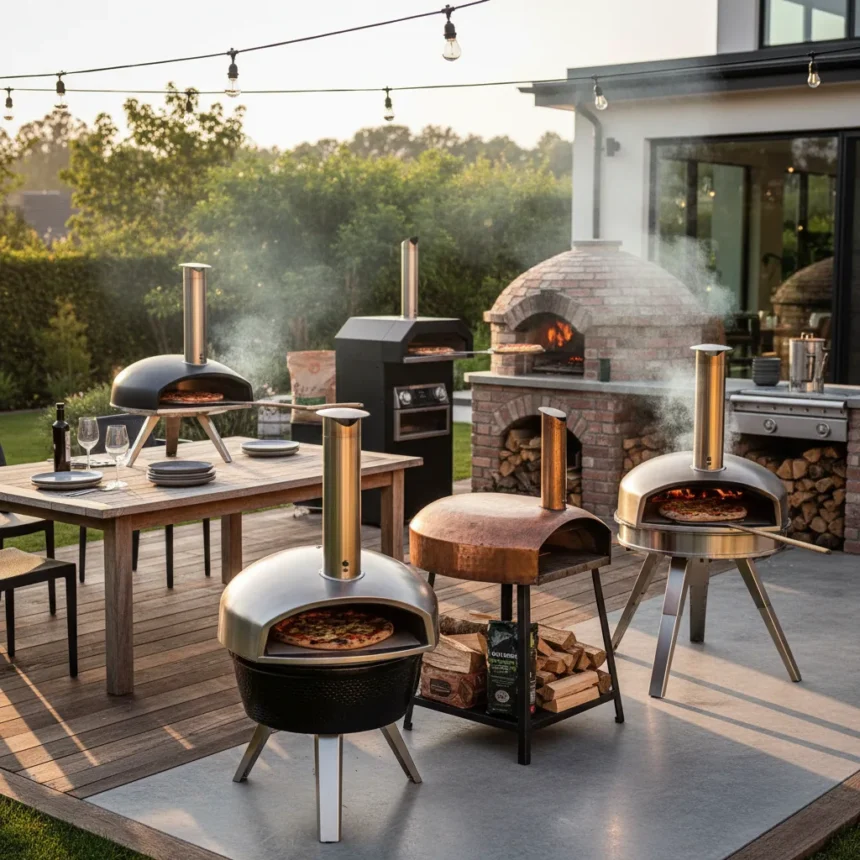
Best pizza ovens let you bake authentic Neapolitan-style pies in your own garden, turning your outdoor space into a casual Italian trattoria. Whether you’re hosting weekend gatherings or simply craving fresh pizza without delivery apps, a quality pizza oven transforms how you entertain.
Key Takeaways
- Pizza ovens range from compact portable models to permanent brick installations.
- Wood-fired ovens deliver the highest heat and most authentic crust texture.
- Gas-powered alternatives offer convenience and faster heat-up times.
- Budget options start under a few hundred, while premium builds exceed several thousand.
- Installation and ventilation requirements vary significantly by model type.
Why Best Pizza Ovens Matter for Outdoor Entertaining
A dedicated pizza oven changes how you approach outdoor cooking. Unlike standard grills that struggle with consistent high heat, best pizza ovens maintain temperatures between 700-900°F, creating the charred crust and soft interior that define authentic pizza. This temperature range is nearly impossible to achieve on conventional equipment.
The appeal extends beyond pizza itself. Once heated, these ovens handle bread baking, roasted vegetables, and even slow-cooked meats. They become the centerpiece of outdoor gatherings—a focal point that draws people together and justifies the investment through regular use and entertaining potential.
Best Pizza Ovens: Key Types and What Separates Them
The pizza oven market splits into three main categories, each with distinct advantages. Wood-fired ovens deliver the most authentic results and highest temperatures but require more maintenance and space. Gas-powered models heat faster and offer easier temperature control, though purists argue they lack the flavor depth of wood-fired alternatives. Electric ovens exist but remain niche, appealing mainly to apartment dwellers or those with strict HOA restrictions.


Portable pizza ovens, typically made from stainless steel or ceramic, appeal to renters and those wanting flexibility. These units weigh 50-200 pounds and can move between patios or even travel. Permanent installations—whether prefabricated kits or custom-built brick structures—demand dedicated space but offer superior heat retention and durability. A well-built permanent oven can last 20+ years with minimal upkeep.
Best Pizza Ovens: What to Consider Before Buying
Size matters more than most buyers realize. A 24-inch oven fits one pizza at a time, perfect for couples or small families. A 36-inch model handles 2-3 pizzas simultaneously, ideal for regular entertaining. Anything larger demands serious outdoor space and more fuel.



Ventilation and clearance requirements are non-negotiable. Most ovens need at least 10 feet of clearance from structures and trees to prevent fire hazard. Permanent installations require proper chimney construction and local building permits—costs that surprise many buyers. Check local codes before purchasing, as some areas restrict outdoor burning entirely.
Material durability directly impacts longevity. Stainless steel portable ovens resist rust but conduct heat less efficiently than ceramic or cast iron. Brick and clay structures retain heat beautifully but can crack in freeze-thaw cycles if not properly sealed. Budget models often skip insulation, meaning higher fuel costs and longer heat-up times.
Best Pizza Ovens: Maintenance and Operating Costs
Wood-fired ovens demand regular cleaning—ash removal after each use, chimney inspection annually. Wood costs vary regionally but typically run $150-400 per cord, with one cord lasting a moderate user several months. Gas ovens need less frequent servicing but propane or natural gas hookups add installation expense.
Portable models simplify maintenance but sacrifice heat retention, meaning higher fuel consumption per pizza. Permanent installations cost more upfront but deliver better long-term economics through superior insulation and heat efficiency.



Can you use a pizza oven year-round?
Yes, but with caveats. Wood-fired ovens handle cold weather well once heated, though they take longer to reach temperature in winter. Rain and snow require covers when not in use. Gas models operate reliably in cold climates. Extreme cold can crack uninsulated ceramic ovens if not properly maintained.
How much space do best pizza ovens actually require?
Minimum 10 feet of clearance from structures, trees, and overhangs is standard. A portable 24-inch model fits a corner patio; a 36-inch permanent installation needs a dedicated zone roughly 12×12 feet including prep space and seating.
What’s the realistic price range for best pizza ovens?
Portable stainless steel models start around 300-500, mid-range gas or wood-fired ovens run 1,500-4,000, and high-end permanent brick installations exceed 5,000 including labor. Factor in ventilation, permits, and delivery when budgeting.
Best pizza ovens represent a significant outdoor investment, but they deliver returns through entertaining value and the simple pleasure of fresh pizza made at home. The key is matching the right model to your space, climate, and commitment level—not buying the biggest or fanciest option, but the one you’ll actually use regularly.
Where to Buy
Edited by the All Things Geek team.
Source: TechRadar




