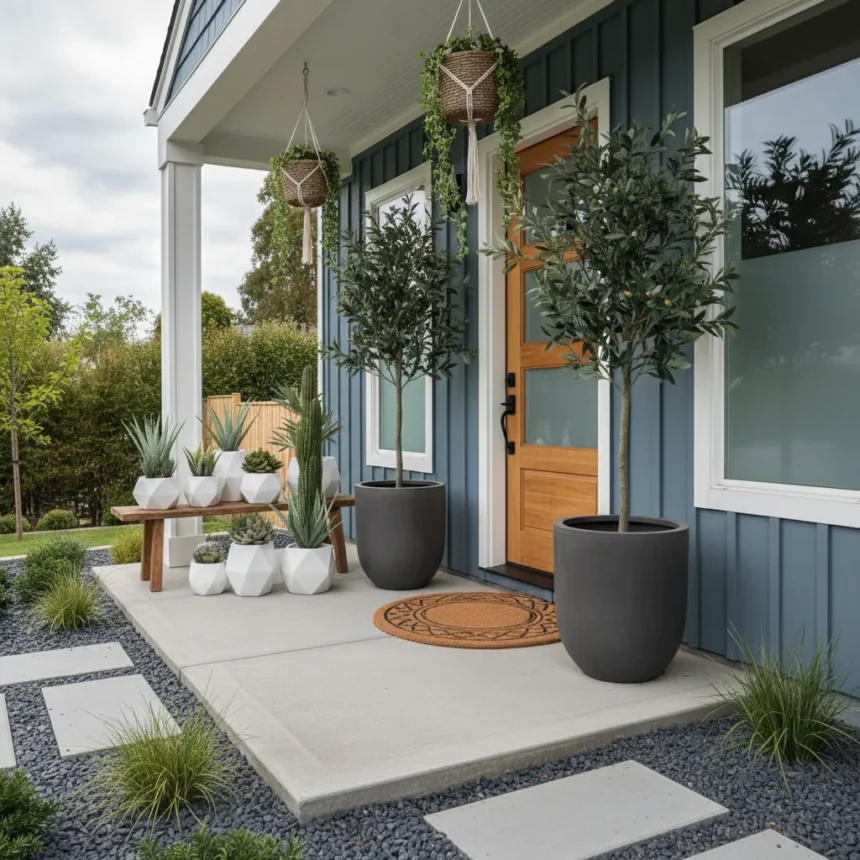
Zero-maintenance plants are species that thrive with minimal intervention, requiring little water, fertilizer, or pruning once established. They transform front porches into visually striking spaces without demanding the constant attention that traditional landscaping requires. For homeowners seeking to boost curb appeal without becoming weekend gardeners, these plants offer a practical solution that delivers results year-round.
Key Takeaways
- Zero-maintenance plants require minimal watering, pruning, and fertilizer once established in your landscape.
- Drought-tolerant varieties thrive in harsh sunlight and poor soil conditions that would stress conventional plants.
- Front porch plantings improve home aesthetics and property value with virtually no ongoing effort.
- Selecting the right species for your climate and light conditions ensures long-term success without intervention.
- Combining different textures and heights creates visual interest while keeping maintenance demands low.
Why Zero-Maintenance Plants Transform Front Porches
A front porch makes the first impression visitors have of your home. Yet traditional landscaping demands consistent watering schedules, seasonal pruning, fertilizer applications, and pest management—commitments many homeowners cannot sustain. Zero-maintenance plants eliminate this burden entirely. Once planted and established, they survive on rainfall alone, adapt to poor soil, and resist common pests without chemical intervention. This means your front porch looks polished and inviting whether you spend two hours or two minutes per week on yard work.
The visual impact is immediate. A well-chosen zero-maintenance plant creates focal points, softens hard architectural lines, and adds color and texture that no decorative element can replicate. Unlike mulch or pavers, living plants improve with age, becoming fuller and more established each season. They also provide environmental benefits—filtering air, reducing soil erosion, and supporting local pollinators—while asking nothing in return.
Selecting Zero-Maintenance Plants for Your Front Porch Climate
Success with zero-maintenance plants depends on matching species to your local climate and porch conditions. A plant thriving in full desert sun will struggle in partial shade; conversely, a shade-loving species may wilt under intense afternoon light. Before choosing plants, assess your porch’s light exposure throughout the day and observe how water drains after rain. Does your soil dry out quickly or stay soggy? These observations guide your selection toward species naturally suited to your environment.


Drought-tolerant plants excel in arid climates and sandy soils where water retention is poor. Shade-tolerant varieties thrive on north-facing porches or under overhanging eaves where sunlight is limited. Cold-hardy species survive harsh winters without protection, while heat-loving plants flourish in hot, humid regions. By choosing plants adapted to your specific conditions, you eliminate the struggle against nature and let the plants do what they evolved to do: grow without fuss.
Creating Visual Depth with Zero-Maintenance Layering
A front porch planting that looks professionally designed combines plants of different heights, textures, and colors. Tall specimens anchor the back or corners, medium-height plants fill the middle ground, and low-growing varieties edge the front. This tiered approach creates visual depth and prevents a flat, one-dimensional appearance. Texture variation—pairing spiky foliage with soft, feathery leaves, or glossy surfaces with matte finishes—adds interest without requiring constant deadheading or reshaping.



Color doesn’t need to mean flowers. Many zero-maintenance plants offer striking foliage in silver, burgundy, chartreuse, or deep green that lasts all season. This approach sidesteps the maintenance trap of flowering plants, which demand spent bloom removal and often bloom for only a few weeks. Foliage-focused plantings deliver consistent visual appeal from spring through winter, with no seasonal reset required. The result is a porch that looks intentional and curated, not neglected or overgrown.
Common Mistakes That Undermine Zero-Maintenance Success
Even hardy plants fail when planted incorrectly. Overwatering is the leading cause of death in drought-tolerant species—their roots rot in soggy soil, a condition they never encounter in their native habitats. Planting in poor-draining soil or dense clay without amendment creates the same problem. Another mistake is choosing plants suited to a different hardiness zone, only to watch them die during the first harsh winter or scorching summer. Crowding plants too closely together creates competition and poor air circulation, inviting fungal issues.
Timing matters too. Planting in extreme heat or during frost risks shock and failure. Spring and fall are ideal for most regions, allowing roots to establish before temperature extremes arrive. Finally, neglecting the first season after planting is a trap. Even zero-maintenance plants need consistent moisture while their root systems develop—typically the first few months. Once established, they thrive on neglect, but that initial investment prevents years of disappointment.
How do zero-maintenance plants compare to traditional landscaping?
Traditional landscaping often features annuals, ornamental grasses, and flowering perennials that demand weekly watering, monthly fertilizing, and seasonal pruning. Zero-maintenance plants survive on rainfall, need no feeding, and rarely require cutting back. While traditional landscapes may offer more color variety and seasonal change, they demand consistent labor. Zero-maintenance plantings sacrifice some seasonal drama for year-round stability and freedom from upkeep, making them ideal for busy homeowners or those in drought-prone regions.



Can zero-maintenance plants work in shaded front porches?
Yes. Many zero-maintenance species thrive in partial or full shade, including hostas, ferns, and certain ornamental grasses. Shade-tolerant varieties tend to prefer cooler, moister conditions than their sun-loving counterparts, but still require minimal intervention once established. The key is selecting species naturally adapted to shade rather than forcing sun-lovers into dim conditions where they struggle and eventually fail.
What’s the best time to plant zero-maintenance species?
Spring and fall are ideal planting seasons in most climates. These seasons offer moderate temperatures and natural rainfall, allowing newly planted specimens to establish roots before summer heat or winter cold arrives. Avoid planting during extreme heat waves or freezing conditions, which stress young plants and increase failure rates. If you must plant in summer or winter, provide supplemental water until the plant is fully rooted—typically after the first growing season.
Zero-maintenance plants are not a myth—they are a deliberate choice to work with nature rather than against it. By selecting species adapted to your climate, planting them correctly, and resisting the urge to fuss, you create a front porch that looks stunning year after year without demanding your time or attention. The result is curb appeal that grows stronger with age, a welcoming entryway that reflects intentional design, and the freedom to enjoy your home instead of serving it.
Where to Buy
17% OFFFelco F2 Pruning Shears$71$86shop now | Amazing StuffGarden Gloves$9.99shop now | 11% OFFGrampa's Weeder$39$44shop now
Edited by the All Things Geek team.
Source: Tom's Guide