
The Xbox exclusivity strategy debate has resurfaced, with industry observers wondering whether new Xbox leadership might reverse Microsoft’s multiplatform direction. But Sony’s own cautious investor guidance suggests Microsoft probably won’t abandon the approach that has defined its recent gaming strategy.
Key Takeaways
- Xbox exclusivity strategy has shifted toward multiplatform releases in recent years
- GTA 6 carries PlayStation marketing exclusivity during a critical console cycle
- Sony’s investor warnings suggest PlayStation faces headwinds despite major releases
- Microsoft’s business incentives push against returning to exclusive-only releases
- Console competition dynamics may force Xbox to maintain broader platform access
Why Xbox exclusivity strategy matters right now
The Xbox exclusivity strategy question has become urgent because the gaming industry is entering a pivotal moment. Grand Theft Auto 6 arrives with exclusive PlayStation marketing arrangements, and Call of Duty is not launching on PS4 this year. These platform dynamics create leverage for console makers, yet Sony’s own guidance to investors reveals surprising weakness despite these apparent tailwinds. That contradiction hints at why Microsoft is unlikely to fully retreat from its multiplatform approach, even if leadership privately prefers otherwise.
The timing is significant. When a publisher like Rockstar Games grants exclusive marketing to PlayStation for a title as massive as GTA 6, it represents the kind of platform advantage that once defined console competition. Yet Sony’s cautious outlook suggests such deals alone cannot drive the sustained growth the company needs. This gap between exclusive content and actual business performance is the real story.
What Sony’s investor warnings reveal about platform strategy
Sony’s recent guidance to investors has flagged concerns about sales despite the apparent strength of its exclusive marketing arrangements. This creates a puzzle: if PlayStation is securing major marketing deals and exclusivity windows, why would the company warn of decreased sales? The answer points directly at why Xbox exclusivity strategy is unlikely to make a comeback.


When a platform leader like Sony signals caution to investors despite holding exclusive marketing rights to blockbuster titles, it reveals that exclusivity alone no longer guarantees market dominance. The console install base, player switching costs, and multiplatform availability have shifted the economics. Microsoft’s decision to bring Xbox games to more platforms reflects this reality. Pulling back from that strategy would mean surrendering market access precisely when the company needs it most.
The business logic is straightforward: if exclusivity could reliably drive platform adoption and revenue, Sony would not need to warn investors about sales pressure. The fact that it does suggests the gaming market has fundamentally changed. Players now expect their preferred franchises across multiple platforms, and console makers compete on ecosystem value rather than exclusive content alone.

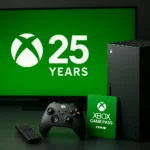

The multiplatform reality Microsoft now faces
Xbox exclusivity strategy represents a bygone era of console competition. The current environment rewards platform diversity and ecosystem reach over content gatekeeping. Call of Duty’s absence from PS4 this year creates an upgrade incentive for some players, but it also fragments the player base and complicates publisher relationships.
Microsoft’s multiplatform approach acknowledges this shift. By bringing Xbox games to PlayStation, PC, and mobile, the company reaches players wherever they choose to play. This strategy contradicts the traditional console wars logic, but it aligns with how the gaming industry actually operates today. Publishers want the broadest possible audience, and players want access to their communities across devices.
Sony’s own investor warnings underscore why this approach works. If exclusivity were sufficient to drive sales, PlayStation’s exclusive marketing deals would solve the company’s revenue challenges. They apparently do not. This suggests that even players who prefer PlayStation are increasingly making platform choices based on where their friends play, what hardware they own, and where specific franchises are available—not on exclusive content alone.
Can Xbox exclusivity strategy ever return?
The short answer is probably not, at least not in any meaningful way. The market conditions that once made Xbox exclusivity strategy viable no longer exist. Player expectations have shifted, publisher strategies have diversified, and the console install base has fragmented across multiple platforms and devices.


Even if Xbox leadership wanted to return to exclusive-only releases, the business case would be weak. Sony’s own cautious outlook demonstrates that exclusivity does not automatically translate to market dominance or revenue growth. Microsoft would be betting on a strategy that even its most successful competitor struggles to execute effectively.
The real competitive advantage now lies in ecosystem integration, cross-platform compatibility, and service value. Game Pass, for example, has become more valuable as a multiplatform subscription service than any single exclusive title could be. That shift in what drives player choice and loyalty explains why Xbox exclusivity strategy is unlikely to return, regardless of what leadership might prefer.
What happens to major franchises going forward?
As the gaming industry evolves, major franchises will continue to appear across multiple platforms. GTA 6’s PlayStation marketing exclusivity represents a temporary advantage, not a strategic reset. Call of Duty’s platform strategy will shift based on publisher and platform economics, not on console loyalty.
The question is not whether Xbox will return to exclusivity, but how each platform maker will compete in an increasingly multiplatform world. That competition will happen through service quality, ecosystem features, and player community strength—not through content gatekeeping. Xbox exclusivity strategy belongs to a previous console generation.
Is Xbox exclusivity strategy dead?
Yes, in practical terms. While exclusive marketing deals will continue, the idea of Xbox titles appearing only on Xbox hardware is no longer viable. Market dynamics, player expectations, and publisher economics all push against that model. Even Sony’s position as the market leader does not guarantee that exclusive content alone can drive the growth the company needs.
Why did Microsoft abandon exclusive-only releases?
Microsoft shifted toward multiplatform releases because exclusivity no longer guaranteed market share or revenue. The gaming industry has become more fragmented across devices and platforms, and players now expect their favorite franchises wherever they play. Exclusivity restricts reach without proportional benefits, especially when competitors can reach the same audience through other channels.
Will Call of Duty ever be exclusive to one platform?
Unlikely. Call of Duty’s value comes from its massive, interconnected player base. Restricting it to a single platform would fragment that community and reduce revenue. Publishers like Activision prioritize broad distribution over platform loyalty, and platform makers increasingly accept that multiplatform releases generate more total value than exclusive content.
The Xbox exclusivity strategy debate will likely persist among gaming enthusiasts who remember the console wars of previous generations. But the market has moved on. Sony’s own investor warnings confirm that exclusivity is no longer the competitive lever it once was. Microsoft’s multiplatform approach reflects this reality, and reversing course would mean swimming against powerful industry currents. The era of exclusive-only console strategies has ended, replaced by a more open, interconnected gaming ecosystem where reach and service quality matter more than gatekeeping content.
Where to Buy
Edited by the All Things Geek team.
Source: Windows Central