





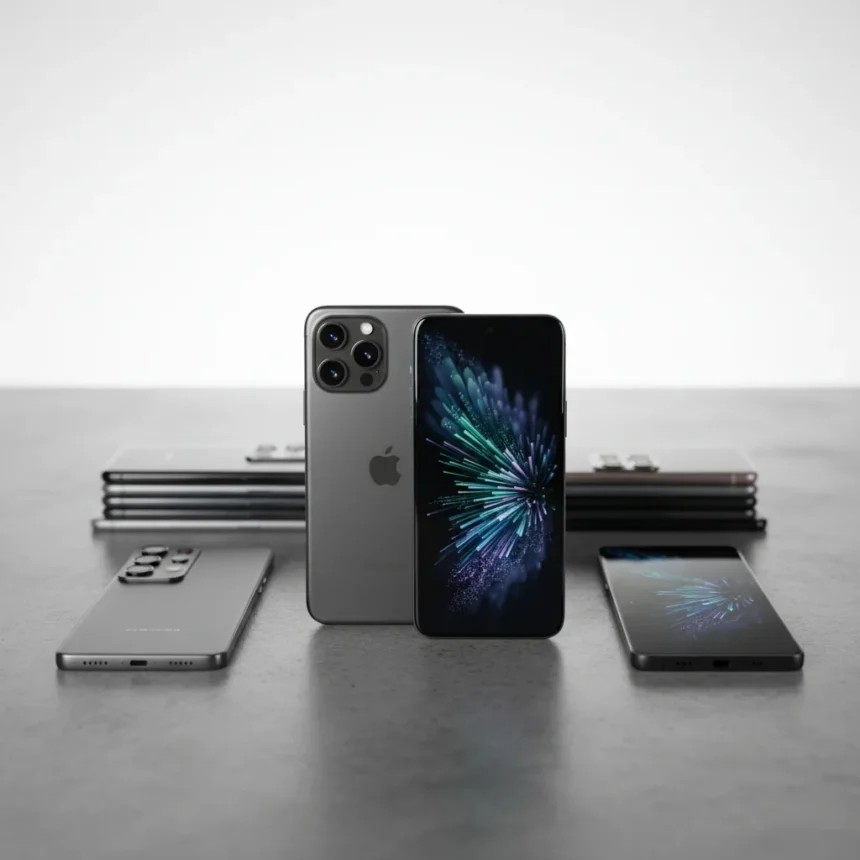
Longest software support phones have become a critical factor in smartphone buying decisions. Rather than chasing the newest model every year, consumers increasingly recognize that a phone with extended update commitments can remain secure, functional, and relevant for five, six, or even seven years. This shift reflects a growing awareness that software longevity directly impacts device value and user experience over time.
Key Takeaways
- Software support determines how long a phone receives security patches and OS upgrades.
- Major brands now compete on update windows, not just raw specs.
- Longer support reduces the need for frequent upgrades and improves long-term value.
- Support policies vary significantly across Samsung, Apple, Google, and other manufacturers.
- A phone’s real lifespan depends on software commitment, not just hardware durability.
Why Software Support Matters More Than Ever
A phone’s useful life is no longer determined solely by its processor speed or camera quality. Security vulnerabilities emerge constantly, and without regular patches, even a powerful device becomes a liability. Software support is the invisible backbone that keeps your phone safe from exploits, ensures compatibility with new apps, and delivers OS features that improve usability. A device abandoned by its manufacturer after two years is at risk, regardless of how well its hardware was built.
The smartphone market has shifted dramatically. Five years ago, three years of updates was considered generous. Today, manufacturers are extending commitments to five, six, or seven years because they understand that consumers want devices that don’t become obsolete overnight. This trend reflects both competitive pressure and the growing environmental concern around e-waste—keeping phones in use longer is better for both wallets and the planet.
Samsung, Apple, and Google’s Support Commitments
The three dominant smartphone ecosystems have each staked out different support strategies. Samsung has dramatically expanded its Galaxy support window in recent years, now matching or exceeding Apple’s historical commitments. Apple’s iPhone lineup has long offered five to six years of OS updates, creating a predictable upgrade cycle for its base. Google’s Pixel phones, meanwhile, have shifted from lagging behind to offering competitive or superior support timelines as the company prioritizes long-term device value.

These commitments are not arbitrary marketing claims—they directly affect resale value, security, and feature access. A phone with seven years of promised updates can be confidently purchased as a long-term investment, whereas a device with only two or three years of support is essentially a rental that becomes unsafe to use once updates stop. Manufacturers understand this, and their support policies now function as a primary selling point rather than an afterthought.
How Long-Term Support Influences Your Buying Decision
When evaluating longest software support phones, consider your actual upgrade cycle. If you typically keep a device for three years, even phones with five-year support commitments will serve you well. But if you hold phones for five or six years—or plan to pass them down to family members—support length becomes paramount. A device that receives updates through 2030 or 2031 has dramatically different utility than one stuck on 2025 software.


The financial calculation is straightforward: a phone that costs more upfront but remains secure and functional for seven years is cheaper per year than a budget phone that becomes unusable after three years. Software support directly translates to total cost of ownership, yet most buyers still focus on the sticker price rather than the long-term value proposition.
Comparing Support Across Brands and Price Points
Longest software support phones are no longer exclusive to flagship models. Mid-range devices from Samsung and Google now receive the same update commitments as their premium siblings, meaning you don’t have to spend flagship prices to get flagship longevity. This democratization of support is reshaping the value equation across the entire smartphone market.
Apple’s ecosystem has historically offered consistent support across all iPhone models released in a given year, creating a relatively flat support landscape. Samsung has moved toward a tiered approach where flagship Galaxy S and Ultra models receive longer support than budget Galaxy A devices. Google’s Pixel strategy sits somewhere in between, with aggressive support commitments across its lineup as part of its push to compete directly with Apple and Samsung on long-term value.
The Real-World Impact of Extended Support
A phone with seven years of promised updates doesn’t just receive security patches—it typically gets major OS upgrades that introduce new features, performance improvements, and interface changes. This means a device purchased today could run operating system versions that won’t be released until 2030, fundamentally changing how you interact with it over time. That’s radically different from a phone that stops receiving updates in 2027 and gets stuck on outdated software.



Extended support also protects against app incompatibility. As developers drop support for older OS versions, phones stuck on old software gradually lose access to modern apps. A phone with seven years of updates stays compatible with mainstream apps for far longer, extending its practical usability well beyond devices with shorter support windows.
Which Phones Offer the Best Support Windows?
The research indicates that longest software support phones span multiple brands and price points, though the exact models and support lengths require consulting the full roundup. The key takeaway is that support windows have expanded across the industry—what was once a differentiator for premium devices is now becoming standard across multiple tiers. This shift benefits consumers by making it easier to find a device that will remain relevant and secure for years to come.
When shopping for your next phone, prioritize support length alongside specs and price. A device promised five, six, or seven years of updates will deliver significantly more value over its lifetime than a cheaper phone with minimal support. The longest software support phones are no longer niche products—they’re increasingly the default for phones worth buying.
Does longer software support actually affect everyday performance?
Yes, indirectly. While OS updates don’t always make older hardware faster, they do maintain compatibility with new apps and services, prevent security vulnerabilities that can slow your device, and introduce optimizations that prevent performance degradation. A phone that stops receiving updates gradually becomes slower and less capable as apps drop support for its aging OS version.
Can I use a phone safely after support ends?
Technically, yes, but it’s risky. Once a manufacturer stops releasing security patches, your phone becomes vulnerable to newly discovered exploits. Using an unsupported phone for sensitive tasks like banking or shopping is inadvisable. The longer your phone’s support window, the longer you can safely use it without worrying about unpatched vulnerabilities.
How do I check my phone’s remaining support window?
Visit your phone manufacturer’s official support page and search for your specific model. Apple, Samsung, and Google all publish detailed support timelines showing when each device will stop receiving updates. Knowing this date helps you plan your upgrade cycle and understand how much longer your device will be actively maintained.
Longest software support phones have fundamentally changed the smartphone value proposition. Rather than viewing phones as disposable gadgets to be replaced annually, buyers can now confidently purchase devices that will remain secure and functional for half a decade or more. This shift toward longevity benefits consumers, reduces e-waste, and creates real competition on a metric that actually matters to long-term users. When evaluating your next phone, make support length a primary consideration—it’s one of the few specs that genuinely affects how long you’ll actually want to keep the device.
Where to Buy
No price information | $599 at Amazon | $1,100 at Amazon | Apple iPhone 17 Pro | No price information
Edited by the All Things Geek team.
Source: Tom's Guide