The Garmin Forerunner 170 vs Coros Pace 4 comparison reveals two fundamentally different philosophies in the entry-level running watch market. Garmin doubles down on training analytics and ecosystem depth, while Coros prioritizes simplicity and value. Testing both watches across running, cycling, and strength workouts shows which approach actually matters when you’re pushing hard.
Key Takeaways
- Garmin Forerunner 170 offers over 80 exercise types and advanced metrics like Training Readiness and Body Battery Score
- Coros Pace 4 recently received a major software update adding voice control and new features
- Forerunner 170 delivers up to 10 days of battery life per charge
- Heart rate accuracy during running is a critical differentiator between the two watches
- Garmin’s training ecosystem provides more detailed post-workout analysis than Coros
Training Analytics: Where Garmin Forerunner 170 Pulls Ahead
The Garmin Forerunner 170 vs Coros Pace 4 gap widens when you examine training metrics. Garmin’s newer entry-level watches support Training Readiness, Body Battery Score, Sleep Score, and Heart Rate Variability insights—tools designed to tell you whether you should push hard or recover. Coros keeps things leaner. For runners obsessed with optimization, Garmin’s depth is compelling. For athletes who just want to know their pace and distance, it’s overkill.
During testing, the Forerunner 170’s heart rate readings stayed consistent with chest strap data throughout a 10K run. That accuracy matters. A watch that drifts during tempo work or intervals is worse than useless—it’s misleading. Coros has also proven reliable in heart rate capture, but Garmin’s track record across multiple models suggests a slight edge in optical sensor consistency.
Software Updates and Feature Parity
Coros just released a significant May software update that introduced voice control and other features to the Pace 4. This matters because smartwatch features evolve through updates, not just hardware. A watch that improves through software is more future-proof than one that stagnates. The Coros Pace 4 is described as one of the best running watches available from any brand, and that update reinforces why—Coros listens to its user base and delivers.


Garmin, by contrast, relies on its established software ecosystem. The Forerunner 170 inherits years of refinement from higher-end models, which means the feature set is mature from day one. But maturity isn’t the same as innovation. Coros is moving faster on specific features like voice control, which appeals to runners who want hands-free operation on the trail.
Battery Life and Practical Use
The Forerunner 170 offers up to 10 days of battery life per charge. That’s solid—roughly two weeks between charges if you’re not hammering the GPS constantly. For comparison, the more budget-focused Forerunner 70 stretches to 13 days, but that watch sacrifices some of the 170’s training metrics. The Coros Pace 4’s battery endurance is competitive, though exact specifications weren’t detailed in testing.


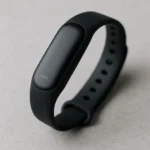
Real-world battery performance depends heavily on how you train. GPS-heavy sessions drain any watch faster than everyday wear. Runners doing multiple long efforts per week will notice the difference between 10 and 13 days. For most athletes, 10 days is enough to avoid the weekly charging ritual.
Exercise Type Coverage
Garmin’s entry-level watches now support over 80 exercise types and metrics. That breadth matters if you cross-train. Cyclists benefit from dedicated cycling modes. Swimmers get pool tracking. Strength athletes get rep counters. The Garmin Forerunner 170 vs Coros Pace 4 comparison here favors Garmin—Coros focuses on running and related endurance sports, which is fine if that’s your primary discipline but limiting if you’re a generalist.
Which Watch Should You Buy?
Choose the Garmin Forerunner 170 if you want deep training insights, cross-training support, and a watch that grows with your fitness journey. The analytics ecosystem is unmatched at this price point, and heart rate accuracy is proven. Choose the Coros Pace 4 if you’re a pure runner who values simplicity, recent software innovation, and a company that actively updates its watches with meaningful features. The Pace 4 is also described as one of the best running watches available, which is no small claim.
Does the Garmin Forerunner 170 have GPS?
Yes. The Forerunner 170 includes GPS for accurate distance and route tracking. It also supports GLONASS and Galileo satellite systems for better accuracy in challenging environments like dense forests or urban canyons.


What’s the difference between the Garmin Forerunner 170 and Forerunner 70?
The Forerunner 170 includes advanced training metrics like Training Readiness and Body Battery, while the Forerunner 70 focuses on core running features. The Forerunner 70 offers longer battery life (up to 13 days versus 10 days). If budget is tight and you don’t need detailed training analysis, the Forerunner 70 is the better value.
Can the Coros Pace 4 track cycling workouts?
The Coros Pace 4 is optimized for running but does support endurance sports including cycling. However, it lacks the specialized cross-training modes that Garmin’s broader exercise library provides, making the Forerunner 170 a better choice for serious cyclists.
The Garmin Forerunner 170 vs Coros Pace 4 decision ultimately depends on your training priorities. Garmin wins on depth and cross-training. Coros wins on simplicity and recent innovation. Both are excellent entry-level running watches, and you won’t regret choosing either one—just pick the philosophy that matches how you actually train.
Where to Buy
Coros Pace 4: | Coros Pace 4 Aluminum model
Edited by the All Things Geek team.
Source: Tom's Guide