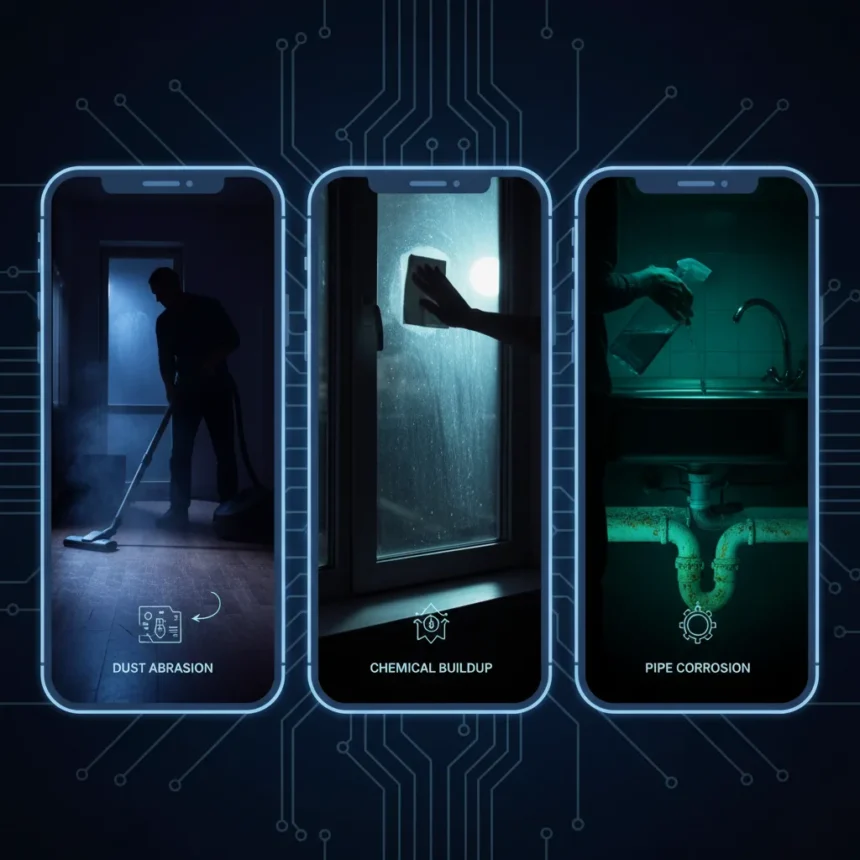
Nighttime cleaning chores present a hidden problem most households overlook. While the urge to tidy up before bed feels productive, certain tasks performed after dark are actually counterproductive or potentially harmful to your home and family. The conditions that exist at night—poor lighting, reduced visibility, and fatigue—make specific cleaning activities significantly less effective or risky compared to daytime execution.
Key Takeaways
- Some cleaning chores should never be done after dark due to safety and effectiveness concerns.
- Poor lighting conditions at night reduce the quality of certain household cleaning tasks.
- Nighttime cleaning habits can have unintended consequences for your household environment.
- Timing your chores appropriately protects both your home and your family’s wellbeing.
- Understanding which tasks to avoid after dark improves overall cleaning effectiveness.
Why nighttime cleaning chores create household problems
The fundamental issue with nighttime cleaning chores stems from the practical limitations of working in low-light conditions. Many household tasks rely on clear visibility to be completed properly. When natural daylight fades, even well-lit homes cannot replicate the clarity that sunlight provides. This visibility gap directly impacts how thoroughly you can clean, inspect surfaces for missed spots, and identify areas requiring attention. The fatigue that accumulates throughout the day also plays a role—evening cleaning often results in rushed, incomplete work compared to morning or afternoon efforts when energy levels are higher.
Beyond visibility and energy, nighttime cleaning introduces timing complications. Tasks completed late at night may disturb family members or roommates who are sleeping or preparing for bed. The noise, activity, and disruption can affect sleep quality for others in the household, creating a domino effect of fatigue-related issues the following day. This ripple effect makes nighttime cleaning not just less effective, but actively counterproductive to household harmony and wellbeing.
The specific risks of evening household tasks
Certain nighttime cleaning chores carry safety risks that daytime cleaning avoids entirely. Tasks involving electrical appliances, water, or chemical products become more hazardous when performed in dim lighting or when you are tired. Slips, spills, and accidents happen more frequently in low-light environments. Additionally, some cleaning products require proper ventilation and monitoring during use—conditions harder to maintain when cleaning late at night when windows are typically closed and household members are asleep. The combination of reduced alertness and reduced visibility creates a genuinely dangerous scenario for specific household tasks.

The effectiveness question compounds the safety concern. When you rush through cleaning chores at night, corners get cut. Surfaces may not be cleaned as thoroughly. Inspection for pests, mold, or other household issues becomes less thorough. What appears clean in dim evening light may reveal problems in morning daylight. This delayed discovery means problems have more time to worsen before you address them properly.
How timing your chores improves household health
Strategic timing of household cleaning transforms both safety and effectiveness. Scheduling demanding or detail-oriented chores during daylight hours—morning or early afternoon—ensures proper visibility, adequate energy, and minimal disruption to others. This approach allows you to work methodically, inspect your work carefully, and address any issues immediately rather than discovering them later. Tasks completed during optimal conditions require less rework and deliver better results, ultimately saving time over the long term.



Establishing a chore schedule that respects natural light cycles also protects household members’ sleep and wellbeing. When cleaning happens during appropriate hours, evening routines remain calm and uninterrupted. Family members can prepare for bed without noise or activity disrupting their transition to sleep. This boundary between active household tasks and rest time supports better sleep quality and reduces stress-related health issues. The psychological benefit of a predictable, quiet evening routine should not be underestimated—it contributes meaningfully to overall household health beyond just the cleanliness of surfaces.
Should I do any household chores in the evening?
Light, non-disruptive tasks with low safety risks can be done in the evening—things like folding laundry, organizing closets, or wiping down already-clean surfaces. However, chores requiring detailed inspection, chemical products, electrical appliances, or significant physical exertion should wait for daylight hours when you can work safely and effectively.
What’s the best time to schedule demanding cleaning tasks?
Morning and early afternoon offer the best conditions for thorough cleaning. Natural light is strongest, your energy levels are higher, and you have time to address any issues discovered during the process. Completing major chores early in the day also prevents evening disruption and allows time for proper ventilation if cleaning products are involved.
How does nighttime cleaning affect sleep quality?
Activity, noise, and light from evening cleaning can disrupt both your own sleep preparation and that of other household members. The stimulation from physical activity and the mental engagement of cleaning can interfere with your body’s natural wind-down process before bed, making it harder to fall asleep and affecting sleep quality throughout the night.



Respecting the natural rhythm of your household—active cleaning during daylight, rest during evening—creates a healthier environment for everyone. The three nighttime cleaning chores you should avoid are those that demand visibility, carry safety risks, or disrupt household peace. By shifting these tasks to appropriate daylight hours, you protect both your home’s condition and your family’s wellbeing.
Where to Buy
Amazon Basics Microfibre Cleaning Cloth (24):
Edited by the All Things Geek team.
Source: Tom's Guide