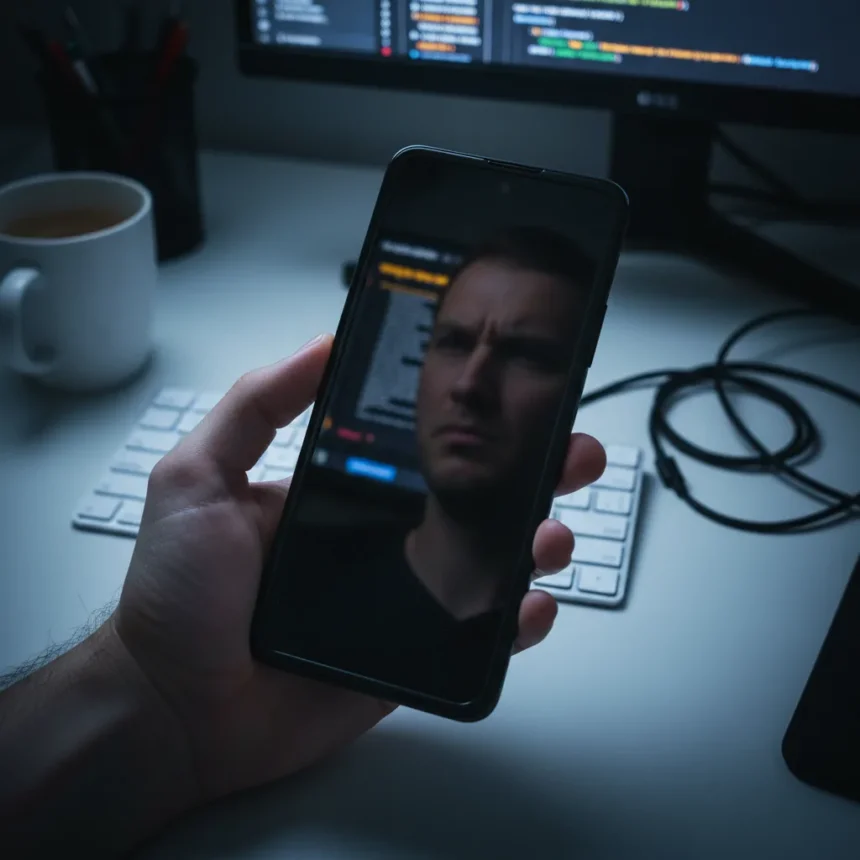
The original Google Pixel Fold is experiencing a Pixel Fold display blackout that users are pinning squarely on a recent Google software patch. Multiple owners of the first-generation foldable have reported that their cover displays—the outer screen users interact with when the device is closed—have gone completely black and become unresponsive after installing recent Google updates. This is not a hardware failure creeping in after months of wear. This is a regression introduced by code, and it is leaving early Pixel Fold adopters frustrated.
Key Takeaways
- Original Pixel Fold owners report cover display blackouts tied to recent Google software updates.
- The Pixel Fold display blackout renders the outer screen unresponsive and unusable.
- The issue appears to be software-related rather than a hardware defect or manufacturing flaw.
- Users across multiple forums and support channels are documenting the same Pixel Fold display blackout problem.
- The regression suggests a post-update bug rather than an isolated device failure.
What is the Pixel Fold Display Blackout?
The Pixel Fold display blackout is a software-induced failure affecting the cover display of the original Google Pixel Fold. When the outer screen goes black, it stops responding to touch input entirely, making the device effectively unusable in its closed state. Users cannot unlock the device, access notifications, or interact with any apps on the outer display. The inner display may still function, but the cover screen blackout defeats the primary purpose of a foldable phone: quick, one-handed interaction without unfolding. This is not a cosmetic glitch. It is a complete loss of functionality on a critical component.
What makes this Pixel Fold display blackout particularly frustrating is its apparent timing. The issue emerges after users install recent Google updates, suggesting the patch introduced a bug rather than exposing a pre-existing hardware weakness. Early adopters who paid premium prices for the original Pixel Fold expected stability, not post-purchase software regressions that brick core functionality.
Pixel Fold Display Blackout: Why This Matters for Foldable Credibility
Foldable phones remain a niche category with skeptical audiences. The original Pixel Fold was Google’s first attempt at the form factor, and it faced durability questions from day one. A Pixel Fold display blackout caused by a software update undermines the narrative that these devices are reliable enough for mainstream adoption. It shifts blame from hardware engineering to software quality assurance—a perception that, rightly or wrongly, can be worse for brand trust. If a patch can kill the cover display, what else might future updates break?


This regression also highlights a testing gap. Google’s update pipeline apparently did not catch a bug that breaks the outer display on a flagship foldable device. For a company that controls both the hardware and software, this is a significant failure. Users expect that an update pushed to their devices has been validated on those same devices before release.
Pixel Fold Display Blackout: What Users Are Reporting
Reports of the Pixel Fold display blackout are appearing across multiple channels. Support forums, Reddit threads, and GrapheneOS community discussions all document owners experiencing the same sequence: device receives update, cover display goes black, no recovery without factory reset or other interventions. Some users have attempted workarounds, but the core issue persists: the patch broke something, and Google has not yet acknowledged a widespread fix.



The consistency of these reports suggests this is not an edge-case hardware failure affecting a handful of defective units. It is a reproducible software bug triggered by a specific patch or set of patches. That reproducibility is actually good news—it means Google can identify the culprit code and roll back or patch the patch. It also means the company has no excuse for a slow response.
How Does This Compare to Other Foldable Issues?
Foldable phones have faced display problems before, but usually tied to hardware durability—crease visibility, screen protector delamination, or hinge wear over time. A Pixel Fold display blackout caused by software is a different failure mode. It suggests Google’s update process does not include adequate testing on the Pixel Fold hardware itself, or that regression testing for display-critical components is insufficient. This is a credibility issue that competing foldables, like Samsung’s Galaxy Z Fold series, would exploit aggressively if they faced the same problem.
FAQ
Is the Pixel Fold display blackout affecting all original Pixel Fold units?
No. The Pixel Fold display blackout appears to affect a subset of original Pixel Fold owners, particularly those who have installed recent Google updates. Not every device has reported the issue, but the problem is widespread enough to appear across multiple support forums and community discussions, suggesting it is not an isolated hardware defect.
Can the Pixel Fold display blackout be fixed without a factory reset?
The research brief does not specify whether the Pixel Fold display blackout can be resolved through troubleshooting steps short of a full factory reset. Users experiencing the issue should check Google’s official support channels and community forums for the latest workarounds, as solutions may emerge as more users report the problem.



Will Google fix the Pixel Fold display blackout?
Google has not yet released an official statement addressing the Pixel Fold display blackout in the available sources. However, the fact that users have identified a specific patch as the culprit means Google should be able to investigate, identify the problematic code, and release a corrective update. The speed of that response will determine whether this becomes a temporary frustration or a long-term credibility scar.
The Pixel Fold display blackout is a reminder that software regressions can undermine hardware innovation just as quickly as physical defects. Google has the tools to fix this—a new patch, a rollback, or a targeted update addressing the broken display logic. What matters now is speed and transparency. Early Pixel Fold adopters took a risk on a new form factor. They deserve a company that owns its mistakes and fixes them fast.
Edited by the All Things Geek team.
Source: Android Central