





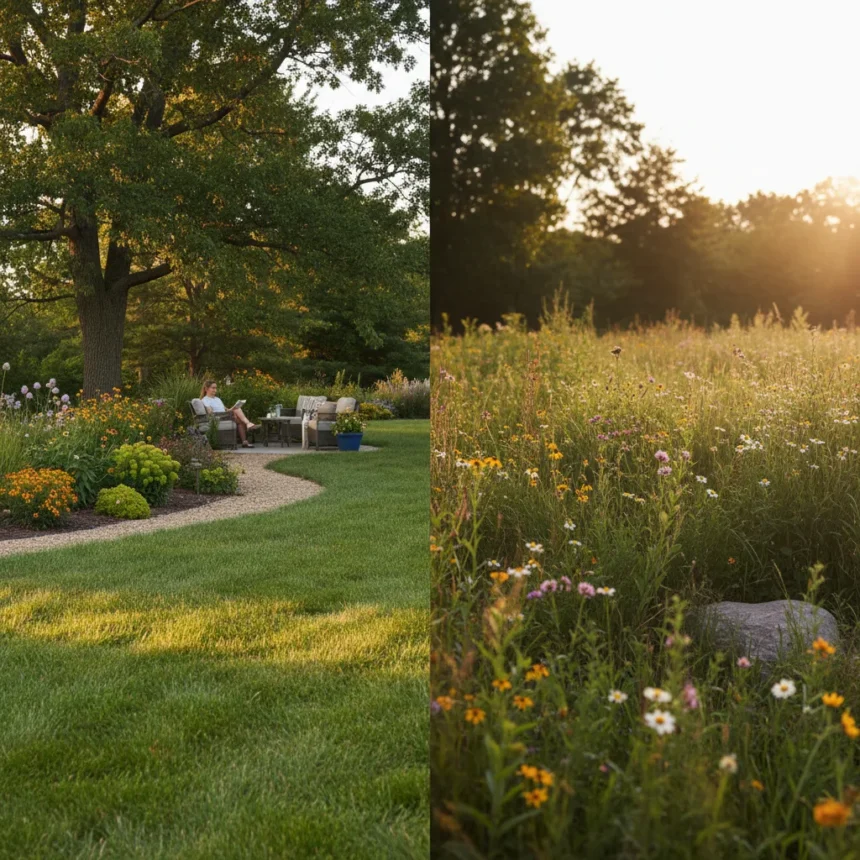
The 70/30 rule for summer yard care is a straightforward approach designed to help homeowners keep their outdoor spaces in shape without drowning in maintenance chores when the workload peaks. Summer brings relentless growth, frequent watering needs, and constant weeding—a combination that leaves many yard owners exhausted before July ends.
Key Takeaways
- The 70/30 rule reduces summer yard-maintenance stress by prioritizing effort strategically.
- Summer yard work increases dramatically, making a structured approach essential.
- This method helps bring neglected yards back to life without overwhelming homeowners.
- Applying a simple allocation principle can transform how you manage seasonal chores.
- Stress reduction is a measurable outcome when yard tasks are properly organized.
What is the 70/30 rule for summer yard care?
The 70/30 rule for summer yard care is a yard-management framework that allocates effort strategically to maximize results while minimizing burnout. Rather than spreading energy equally across every task, homeowners concentrate their focus where it matters most during peak season, then handle secondary work at a reduced intensity. This simple allocation principle acknowledges that summer maintenance demands spike—more frequent mowing, watering, weeding, and pest management converge in a narrow window. By dividing effort intentionally, the rule transforms yard care from an overwhelming daily grind into a sustainable rhythm.
The appeal lies in its simplicity. Homeowners don’t need specialized tools, expertise, or expensive solutions. They need permission to prioritize and a framework that makes sense. Summer yard maintenance increases exponentially compared to spring or fall, and without a structured approach, even experienced gardeners find themselves falling behind. The 70/30 rule for summer yard care directly addresses this seasonal pressure by acknowledging that not every task deserves equal attention during the hottest months.
Why summer yard stress peaks and how allocation helps
Summer is when yards demand the most attention. Heat accelerates growth, drought stress forces frequent irrigation, and pests thrive in warm weather. Simultaneously, homeowners juggle vacations, outdoor entertaining, and the psychological weight of maintaining a visible space that reflects their property. Traditional approaches—trying to keep everything perfect all season—lead to burnout and neglect.


The 70/30 rule for summer yard care reframes the problem. Instead of aiming for perfection across all tasks, homeowners concentrate 70 percent of their effort on the work that delivers the highest visual and functional impact, then allocate 30 percent to supporting tasks that matter but require less intensity. This reduces decision fatigue, saves time, and makes the workload feel manageable. Stress drops not because the work disappears, but because expectations align with reality and effort produces visible results quickly.
Homeowners who apply this principle report that their yards actually improve faster than when they spread effort evenly. Concentrated attention on priority tasks yields noticeable progress within weeks. The secondary tasks still get done, but at a pace that doesn’t demand constant attention. This psychological shift—seeing progress rather than endless chores—is where the stress relief kicks in.



Bringing neglected yards back to life with focused effort
Yards that have been let go over spring or early summer can feel overwhelming to rehabilitate. The weeds have established, patches of dead grass are visible, and the overall appearance suggests months of work ahead. The 70/30 rule for summer yard care makes revival feel achievable rather than daunting.
By concentrating initial effort on the most visible problem areas—the front yard, the seating area, the sections neighbors see—homeowners create quick wins. These visible improvements build momentum and motivation. Secondary areas receive attention on a slower schedule, which prevents the project from becoming all-consuming. A yard that looked abandoned in June can look intentionally managed by August, even if every corner isn’t perfect.
This approach also works because summer’s active growth period means plants respond quickly to attention. Focused watering and feeding during peak season accelerates recovery. Concentrated weeding prevents seeds from setting. The 70/30 rule for summer yard care leverages seasonal biology—effort invested during summer’s growth window yields faster results than the same effort spread across other seasons.
Does the 70/30 rule work for all yard types?
The 70/30 rule for summer yard care works best for homeowners managing yards alone or with minimal help. It’s particularly effective for those recovering from a neglected season or dealing with summer burnout. Yards with clear priority areas—a visible front entrance, a patio space, a play area—benefit most because the 70/30 split feels natural. If your yard is uniformly maintained and you enjoy consistent care across all sections, this framework may feel less necessary. The rule shines when homeowners are overwhelmed and need permission to focus.



Frequently Asked Questions
Can I use the 70/30 rule for other seasons?
The 70/30 rule for summer yard care is optimized for summer’s unique demands—peak growth, heat stress, and compressed timelines. Spring and fall allow more distributed effort because growth rates are slower and weather is milder. Summer’s intensity makes concentrated allocation most valuable, though the principle of prioritizing high-impact tasks works year-round.
How do I decide which tasks get the 70 percent effort?
Choose tasks that affect the yard’s appearance most visibly and that directly impact plant health during heat stress. Watering, mowing, and visible weed removal typically deserve the 70 percent allocation. Edging, deep mulching, and pest monitoring can often move to the 30 percent category. Your priorities depend on your yard’s current condition and your own preferences.
Will my yard suffer if I don’t do everything at full intensity?
No. Most yards are resilient. Reducing intensity on secondary tasks during summer doesn’t damage plants—it simply means those tasks get done less frequently or at a slower pace. The 70/30 rule for summer yard care works because it maintains the essentials while relaxing pressure on everything else, keeping plants healthy without demanding perfection.
The 70/30 rule for summer yard care succeeds because it acknowledges reality: summer is intense, homeowners have limits, and perfect maintenance across every task is neither achievable nor necessary. By concentrating effort strategically, homeowners bring yards back to life, reduce stress, and actually enjoy their outdoor spaces again. The rule isn’t about cutting corners—it’s about cutting through the overwhelm and focusing on what matters most when it matters most.
Where to Buy
HOME GROWN Wildflower Seeds : | Brightech Ambience Pro | AMIR Upgraded Solar Powered String | Ring Solar Pathlights | Aootek 182 Led Solar outdoor motion
Edited by the All Things Geek team.
Source: Tom's Guide




