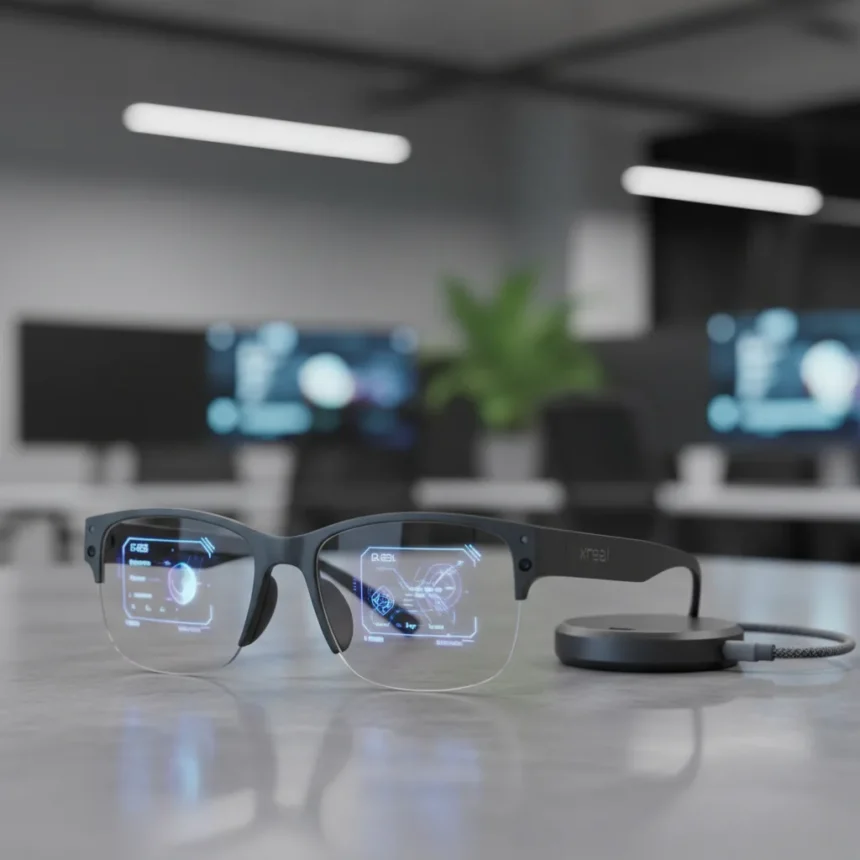
Xreal is making budget XR smart glasses that could finally break the cycle of expensive wearable displays, and they’re arriving at a moment when the affordable segment desperately needs a shake-up. The xbx a01 represents Xreal’s push into genuinely accessible AR and XR territory, a move that challenges the assumption that quality wearable tech demands premium pricing.
Key Takeaways
- Xreal’s xbx a01 is a budget-focused XR smart glasses model aimed at cost-conscious buyers.
- The device positions itself against other affordable options like RayNeo Air 3S and existing Xreal models.
- Budget XR smart glasses could expand wearable display access beyond early adopters and tech enthusiasts.
- Xreal’s existing lineup emphasizes Bose-tuned audio, electrochromic dimming, and high refresh-rate visuals as baseline features.
- The affordable smart-glasses market remains fragmented, with few true budget leaders established yet.
Why Budget XR Smart Glasses Matter Right Now
The smart-glasses market has a pricing problem. Current affordable options like the RayNeo Air 3S occupy a strange middle ground—cheap enough to appeal to budget shoppers, but not cheap enough to feel like a no-brainer purchase. Meanwhile, Xreal’s existing models, including the Xreal One at $269 and the Air 2 at $399, still demand serious commitment from buyers who aren’t sure whether they actually want to wear glasses all day. The xbx a01 aims to solve this by offering budget XR smart glasses that don’t force users to sacrifice core functionality just to save money.
This timing matters. Smart glasses haven’t yet achieved mainstream adoption because the entry price remains stubbornly high relative to the immediate utility most people perceive. A genuinely affordable option could shift that calculus. If Xreal can deliver budget XR smart glasses without gutting the features that make wearable displays useful—audio quality, display brightness, refresh rates—it changes the conversation about who can actually afford to experiment with the format.
What Xreal’s Budget XR Smart Glasses Bring to the Table
Xreal has spent years building expertise in wearable display technology. The company’s existing smart-glasses lineup emphasizes Bose-tuned audio, electrochromic dimming (allowing users to adjust lens darkness electronically), and high refresh-rate 1080p visuals as standard features, not premium add-ons. The question with the xbx a01 is whether these capabilities trickle down or get stripped away entirely. Based on Xreal’s product philosophy, the budget XR smart glasses likely maintain at least some of this feature parity, even if specs get dialed back elsewhere.


The comparison to existing budget smart glasses is instructive. The RayNeo Air 3S holds the title of best budget pick in most roundups, but it occupies a different niche—more focused on productivity and notification delivery than immersive visual experiences. Xreal’s approach with budget XR smart glasses appears to be different: keeping the visual and audio experience intact while finding cost savings in materials, processing power, or software features. That’s a harder engineering challenge, but it’s also more likely to create a product people actually want to wear regularly.
How Budget XR Smart Glasses Stack Against Xreal’s Premium Line
Xreal’s existing premium models command respect in the wearable-display space. The Air 2 Pro, priced at $449, represents the company’s flagship approach: packed features, high-end audio, premium build quality. The Xreal One at $269 sits in the middle, offering a more accessible entry point without abandoning core capabilities. The xbx a01 would presumably undercut both, but the real question is whether it undercuts them in price alone or in actual functionality. Budget XR smart glasses that merely shrink the screen or kill the audio would miss the mark. Xreal’s track record suggests the company understands this—their existing products don’t feel like compromises, they feel like thoughtful design choices.



The broader smart-glasses ecosystem includes competitors like Ray-Ban Meta smart glasses and Meta’s Display smart glasses, both of which have generated significant consumer interest. These products, however, occupy different use cases. Ray-Ban focuses on camera and social features; Meta’s Display glasses remain largely experimental. Budget XR smart glasses from Xreal would compete primarily on immersive display quality and everyday wearability, a niche these competitors don’t own as strongly.
The Real Test: Can Budget XR Smart Glasses Be Practical?
Here’s the honest challenge: most smart-glasses buyers fall into two camps. Early adopters who want latest tech regardless of price, and practical users who want glasses that solve a real problem without feeling like a prototype. Budget XR smart glasses need to appeal to the second group, which means they can’t sacrifice the basics. Battery life, comfort for all-day wear, reliable audio, and a display bright enough to use outdoors—these aren’t premium features, they’re baseline requirements. If Xreal’s budget offering hits these marks, it becomes a genuine category disruptor. If it cuts corners on any of them, it’s just another expensive toy masquerading as an affordable option.
The market is ready for this move. Consumers have grown skeptical of expensive first-generation wearables that don’t deliver on promises. A credible budget alternative from a company with proven expertise in the space could finally give people a reason to take smart glasses seriously.
What About Pricing and Availability?
Exact pricing and launch timing for the xbx a01 remain unconfirmed in public announcements. Xreal has positioned itself as the value player in premium wearable displays, so the expectation is that budget XR smart glasses from the company would undercut the Xreal One’s $269 price point by a meaningful margin. But expectations don’t equal confirmation. Until Xreal announces specific details, treating the xbx a01 as a fully locked product would be premature. What matters is that the company is clearly moving in this direction, and the market is watching closely.



Should You Wait for Xreal’s Budget XR Smart Glasses?
If you’re curious about smart glasses but intimidated by the $400+ entry point, waiting to see what the xbx a01 delivers makes sense. Existing budget options like the RayNeo Air 3S are solid, but they’re designed for specific use cases (productivity, notifications) rather than immersive XR experiences. A true budget XR smart glasses option from Xreal could be the permission structure many people need to actually try the format.
Are Xreal’s Budget XR Smart Glasses Better Than the Xreal One?
Better is the wrong question. The Xreal One at $269 is a more mature, feature-complete product with proven real-world performance. Budget XR smart glasses would trade some capabilities for a lower price, making them better for different buyers—those prioritizing cost over specs. If you need the absolute best wearable display experience today, the One remains the choice. If you’re testing whether smart glasses fit your life, a budget option could be smarter.
What Features Will the xbx a01 Actually Have?
Confirmed hardware details for the xbx a01 haven’t been publicly released in the sources reviewed. Xreal’s existing products emphasize Bose audio, electrochromic dimming, and 1080p displays as standard features, so these capabilities might inform expectations for a budget model. But specifications are speculation until Xreal makes an official announcement. The company has earned credibility by not cutting corners on the basics—audio, display quality, comfort—in its existing lineup, which is the real reason people are paying attention to the budget variant.
The arrival of budget XR smart glasses from a credible manufacturer signals that wearable display technology is finally moving beyond the early-adopter phase. Whether the xbx a01 becomes the category killer or just another option in a crowded field depends entirely on execution. Xreal has the expertise to get it right. The market is ready for it to try.
Edited by the All Things Geek team.
Source: TechRadar