



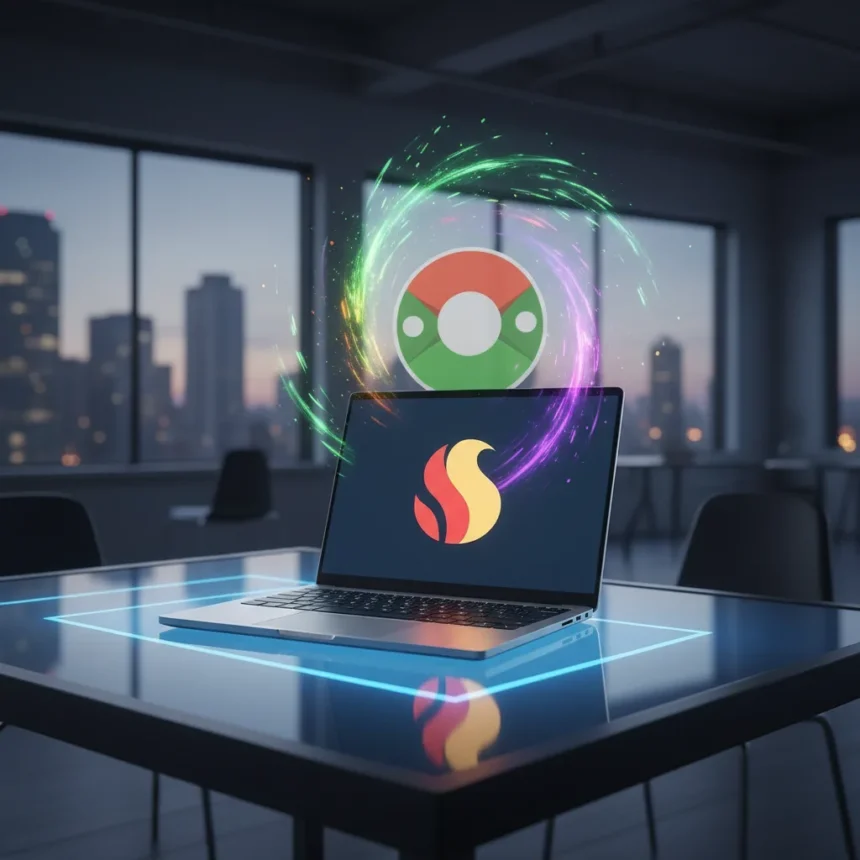
Acer’s Snapdragon C-powered laptop represents a significant shift in how manufacturers might approach the entry-level computing market. The prototype, demonstrated recently, raises a critical question: is this the direction most consumer laptops are headed?
Key Takeaways
- Acer has demonstrated a Snapdragon C-powered laptop prototype designed as a potential Chromebook alternative.
- The device leverages ARM-based processing, which traditionally offers efficiency advantages over x86 architecture.
- The prototype’s positioning suggests a focus on the budget and mid-range laptop segment where Chromebooks currently dominate.
- This category could reshape how consumers think about lightweight, connected computing devices.
- The viability of such devices depends on software ecosystem maturity and real-world performance validation.
What Makes Snapdragon C-Powered Laptops Different
The Snapdragon C-powered laptop category represents a departure from traditional x86-based Windows laptops and Google’s Chromebook ecosystem. Rather than relying on Intel or AMD processors, Acer’s prototype uses ARM architecture, which historically powers smartphones and tablets. This architectural choice carries implications for battery life, thermal efficiency, and the types of software these devices can run natively.
ARM-based laptops operate in a different performance envelope than their x86 counterparts. They prioritize efficiency and sustained performance over peak computational power, making them particularly suited to web-centric workflows and cloud-connected applications. The trade-off is that legacy desktop software and certain demanding applications may not run without emulation or alternative versions.
How This Compares to Chromebooks
Chromebooks have dominated the budget laptop market for years by offering simplicity, security, and low cost. Google’s approach relies on Chrome OS, a lightweight operating system built around the browser and cloud services. The Snapdragon C-powered laptop from Acer operates in a similar market niche but with a different technical foundation.


Where Chromebooks excel is ecosystem maturity and software compatibility within the Chrome OS environment. A Snapdragon C-powered alternative would need to prove equivalent usability and application availability to compete effectively. The question becomes whether ARM-based Windows, Chrome OS, or a custom operating system can deliver the same seamless experience that has made Chromebooks popular in education and enterprise markets.
The Future Direction of Consumer Laptops
The central thesis of Acer’s prototype is whether ARM-powered devices represent the next evolution for mainstream computing. This question hinges on several factors: software ecosystem readiness, manufacturer support, and real-world performance validation. If ARM-based laptops can match Chromebook simplicity while offering greater flexibility, they could capture significant market share in the budget segment.


The laptop market is gradually shifting toward efficiency and connectivity. Mobile-first design patterns, cloud storage, and streaming services have reduced the need for locally powerful processors. Acer’s Snapdragon C-powered prototype appears positioned to capitalize on this trend, offering a device category that sits between traditional laptops and Chromebooks.
What Remains Unclear
Without access to the full specifications, pricing, or availability details, several critical questions remain unanswered. How does the Snapdragon C-powered laptop perform in real-world usage compared to existing Chromebooks and budget Windows laptops? What operating system does Acer intend to use? Will the device target education, enterprise, or consumer markets? These details will ultimately determine whether this prototype evolves into a viable product category or remains a curiosity.
Is Acer’s Snapdragon C-powered laptop a Chromebook killer?
Not necessarily a killer, but potentially a serious alternative. The Snapdragon C-powered laptop addresses the same market need as Chromebooks—affordable, efficient computing for everyday tasks—but with a different technical approach. Success depends on software ecosystem maturity, competitive pricing, and whether manufacturers can deliver meaningful performance advantages. Chromebooks have seven years of market establishment and education sector integration, which is difficult to displace overnight.
When will Acer release a Snapdragon C-powered laptop?
No official launch date or availability information has been confirmed. The device shown is currently a prototype, which typically precedes production models by several months to years. Acer’s timeline for commercialization remains unclear, and the company has not announced regional availability or pricing.

What operating system will run on this device?
The operating system choice has not been publicly confirmed. Acer could pursue Windows on ARM, Chrome OS, or a custom Linux-based solution. This decision will significantly impact the device’s appeal and software compatibility, making it one of the most important announcements pending for this product category.
Acer’s Snapdragon C-powered laptop prototype is intriguing precisely because it challenges the assumption that Chromebooks are the only viable option for budget computing. Whether this device becomes a genuine market disruptor depends entirely on execution—pricing, software, and performance validation in the real world. For now, it remains a promising concept that could reshape the entry-level laptop market if Acer commits to bringing it to market with the right strategy.
Edited by the All Things Geek team.
Source: T3