




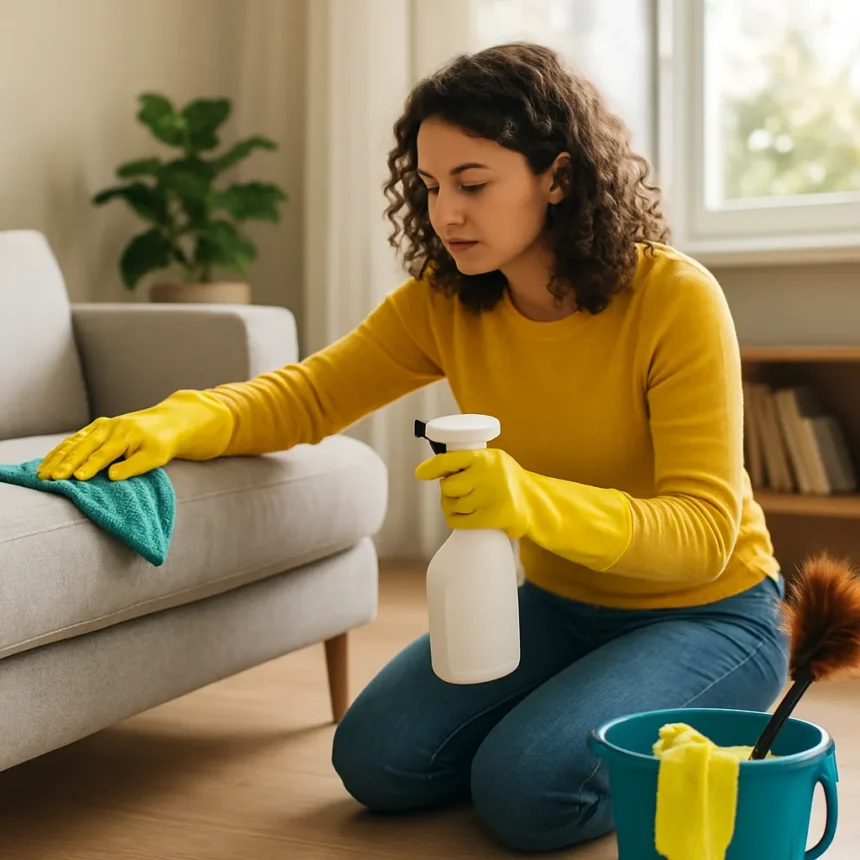
Spring cleaning refers to the annual practice of deep-cleaning and decluttering a home at the start of the warmer season. According to cleaning expert Debra Klein, it is not just about tidiness — it is a genuine mental reset driven by biological shifts, longer days, and the very real rise in indoor allergens that comes with spring.
TL;DR: Spring cleaning is triggered by serotonin boosts from increased daylight and made urgent by peak pollen season. Experts recommend starting with decluttering, then tackling kitchens, bathrooms, and overlooked spots like dryer vents and baseboards. Natural cleaners beat scented sprays — the latter can actually attract pests.
Why the urge to spring clean is real, not just a cultural habit
The drive to spring clean has a biological basis. Increased daylight triggers serotonin release, which lifts mood and motivation — including the motivation to scrub your oven. Debra Klein puts it plainly: “Spring cleaning isn’t just about tidiness — it’s a mental reset.” Psychologist Dr. Elena Martinez adds that longer days and fresh air create a psychological craving for a fresh start indoors.
There is also a practical urgency that goes beyond mood. Pollen levels peak in spring, and without a thorough clean, indoor spaces accumulate dust, mold, and pet dander that worsen allergy symptoms significantly. Skipping spring cleaning is not just a lifestyle choice — for allergy sufferers, it has real health consequences. The season demands action, not just inspiration.



Where to start your spring cleaning — and why order matters
Melissa Maker of Clean My Space is direct about the correct starting point: declutter before you clean anything. Her method is simple — touch every item once and decide immediately: keep, donate, or trash. Debra Klein refines this further by recommending you work through one category at a time, such as clothing, rather than one room at a time. Tackling categories prevents the common trap of shuffling clutter from room to room without actually eliminating it.
Once the clutter is gone, the cleaning itself becomes far more efficient. You are not working around piles or making decisions mid-scrub. The sequence matters: declutter first, then deep clean surfaces, then address the overlooked spots that accumulate grime year-round.



Room-by-room spring cleaning priorities from the experts
In the kitchen, Melissa Maker recommends emptying every cabinet, wiping shelves with an all-purpose cleaner, cleaning the oven and fridge interiors, and descaling your coffee maker with white vinegar. These are not glamorous tasks, but they are the ones most people defer indefinitely. The bathroom deserves equal attention: scrub grout with a baking soda paste, soak the showerhead in vinegar to remove mineral buildup, and run the shower curtain through the washing machine.
The bedroom checklist is shorter but often neglected. Vacuum the mattress from top to bottom, wash all bedding in hot water, rotate the mattress, and dust the blinds. None of this takes long, but the cumulative effect on sleep quality and allergy symptoms is significant.
The most commonly skipped tasks are whole-home jobs with no obvious room assignment. Vacuum baseboards and ceiling corners with a brush attachment, wipe walls down with a diluted dish soap solution, and — critically — clean the dryer vent with a dedicated brush tool. A clogged dryer vent is a fire hazard, not just a cleaning oversight. That one task alone justifies the annual deep clean.
Natural cleaners vs. commercial sprays — which actually works better
White vinegar and baking soda outperform most commercial sprays for spring cleaning purposes, and not just on cost grounds. Scented commercial cleaners can attract pests — a counterproductive outcome for a cleaning session. Vinegar-based solutions handle descaling, grout cleaning, and surface disinfection without the residual fragrance that draws insects indoors.



Branch Basics Concentrate is cited as a natural alternative for tougher jobs like grout and upholstery where baking soda paste alone may not be sufficient. For floors and hard-to-reach areas, robot vacuums — Shark models are frequently recommended — handle maintenance between deep cleans, though they require their own periodic maintenance to stay effective. The honest comparison: robot vacuums are useful tools, not replacements for a thorough manual clean during spring.
Don’t forget your indoor plants during spring cleaning
Plant expert Keira Kay from Bloom & Wild points out that indoor plants collect dust on their leaves, which reduces photosynthesis and contributes to the overall dust load in a room. For large-leaf plants like Monstera, she recommends wiping leaves monthly with a damp microfiber cloth. For narrow-leaf varieties like palms, a rinse in the shower works better. It is a small task that most people overlook entirely, and it makes a visible difference.
Is spring cleaning actually good for your mental health?
The psychological benefits are real, though the mechanism is physical rather than mystical. Serotonin released in response to increased daylight improves baseline mood, and a cleaner environment reduces the low-level cognitive load of visual clutter. The result feels like a mental reset because, neurologically, it partly is one. That said, claims of dramatic psychological transformation from a single cleaning session are overstated — the benefit is incremental and cumulative, not a one-day cure.
What are the biggest spring cleaning mistakes people make?
Using scented cleaners tops the list — they smell clean but attract pests, undoing part of the work. Starting room-by-room rather than category-by-category leads to clutter redistribution rather than elimination. And skipping overlooked areas like dryer vents, washing machine interiors, and light fixtures means the deep clean is less deep than it appears. These are not minor oversights — they are the difference between a home that feels genuinely refreshed and one that just looks tidier on the surface.
How often should I clean indoor plant leaves?
Keira Kay from Bloom & Wild recommends cleaning indoor plant leaves monthly. For large-leaf plants like Monstera, use a damp microfiber cloth. For narrow-leaf plants like palms, a shower rinse is more practical. Regular cleaning boosts photosynthesis and reduces household dust.
Are natural cleaners like vinegar actually effective for spring cleaning?
Yes, and they have a specific advantage over scented commercial sprays: they don’t attract pests. White vinegar handles descaling and surface disinfection effectively, while baking soda paste works well on grout. Branch Basics Concentrate is a natural option for tougher jobs on upholstery and tile.
Spring cleaning earns its reputation not because of tradition but because the timing is genuinely right — biology is working in your favour, allergen levels are rising, and a thorough reset pays dividends for months. Start with decluttering, work category by category, reach the spots you normally ignore, and skip the scented sprays. Done properly, it is one of the highest-return investments of time you will make all year.
Where to Buy
Dyson V11 Cordless Stick Vacuum:
This article was written with AI assistance and editorially reviewed.
Source: Tom's Guide