






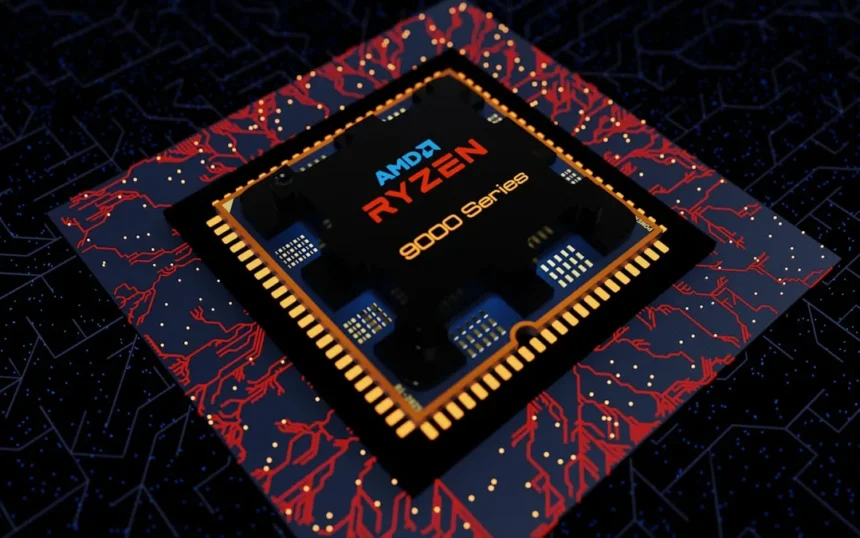
An AMD Zen 6 processor has appeared on Geekbench in what marks the first credible hardware leak for AMD’s next-generation CPU architecture. The leaked chip shows a ten-core configuration paired with 32MB of L3 cache — a combination that doesn’t match the flagship desktop specifications previously discussed, suggesting AMD is building out a broader range of Zen 6 SKUs than enthusiasts might expect.
TL;DR: An AMD Zen 6 processor surfaced on Geekbench with ten cores and 32MB of L3 cache. This doesn’t match expected flagship specs, hinting at a mid-range or mobile SKU. AMD has confirmed Zen 6 for 2026, though some reports point to possible delays into 2027.
What the AMD Zen 6 Processor Geekbench Leak Actually Tells Us
The ten-core, 32MB L3 cache configuration spotted on Geekbench is the first credible look at a real Zen 6 chip in the wild. It doesn’t represent the top of the stack — AMD’s desktop Zen 6 platform, codenamed Medusa, is expected to feature 12 cores per compute chiplet with 48MB of L3 cache per chiplet, which would give flagship models substantially more cache and core count than what this leak shows.
That gap matters. A ten-core chip with 32MB of L3 sits well below those projected flagship numbers, which points toward either a mid-range desktop SKU or a mobile-class processor built for thin-and-light laptops. AMD has historically offered a wide spread of configurations across its Ryzen lineup, and Zen 6 looks no different. The leak confirms the architecture is real and progressing — it just isn’t showing us the full picture yet.



What makes this leak credible rather than noise is the specificity of the data. Geekbench entries include detailed hardware identifiers that are difficult to spoof convincingly, and the cache and core configuration aligns with plausible binning strategies AMD would apply to a new architecture across different market segments.
AMD Zen 6 Architecture: What We Know So Far
AMD Zen 6 is built around a brand-new eight-wide dispatch engine with simultaneous multi-threading support, representing a significant redesign of the core’s front-end compared to previous generations. AMD is targeting a 10% or more IPC uplift with Zen 6, which would continue the steady generational gains the company has delivered since Zen 2. The architecture will be manufactured on TSMC’s N2X process node, one of the most advanced fabrication processes currently in development.


The eight-slot dispatch engine is particularly notable. Wider dispatch generally means the processor can feed more instructions into execution units per clock cycle, which helps in workloads that throw varied instruction mixes at the CPU — think productivity software, compilers, and creative applications. Combined with the process node shrink, AMD is clearly aiming for meaningful performance-per-watt improvements rather than just raw clock speed gains.
For context, Intel’s competing architectures have pushed wide-core designs aggressively in recent years. AMD’s move to an eight-wide dispatch engine signals it’s matching that approach rather than ceding ground on instruction-level parallelism.
When Will AMD Zen 6 Actually Launch?
AMD has officially confirmed that Zen 6 CPUs will launch in 2026, though the picture isn’t entirely clean. Multiple reports suggest potential delays that could push desktop Zen 6 chips into 2027, with industry turmoil and manufacturing timelines both cited as contributing factors. AMD’s Medusa APUs — the integrated graphics variants of the platform — are separately confirmed for 2027.
That uncertainty makes the Geekbench leak more interesting, not less. If Zen 6 silicon is already appearing in benchmark databases, it suggests AMD has working hardware in testing, which is a reasonable prerequisite for a 2026 launch window. Leaks of this kind typically surface six to twelve months before a product reaches consumers, which is broadly consistent with a late 2026 arrival — assuming the reported delays don’t materialise.



The question of whether AMD can hold its 2026 target matters competitively. Intel is also working on next-generation desktop platforms, and any slip in AMD’s schedule hands Intel breathing room in a market where AMD has been aggressively competitive since the original Zen launch.
Is AMD Zen 6 worth waiting for?
For most users on current-generation hardware, yes — the combination of a new process node, a wider dispatch engine, and a projected 10% or more IPC uplift represents a meaningful generational step. Whether you should wait depends on how urgently you need an upgrade and whether the 2026 launch window holds.
What does the ten-core configuration suggest about AMD’s lineup?
A ten-core chip with 32MB of L3 cache sits below the expected flagship Zen 6 desktop specs of 12 cores per chiplet and 48MB L3 per chiplet. This strongly suggests a mid-range desktop or mobile SKU, indicating AMD is planning a broad product stack for Zen 6 rather than a single flagship configuration.
The AMD Zen 6 processor leak is a small data point, but it’s a meaningful one. It confirms the architecture is progressing toward real silicon, it hints at a diversified product lineup, and it arrives at a moment when AMD’s launch timeline is under genuine scrutiny. Whether Zen 6 lands in 2026 or slips into 2027, the underlying architecture — wider dispatch, TSMC N2X, and a credible IPC uplift target — looks like AMD’s most ambitious CPU generation in years. Keep watching the benchmark databases.
This article was written with AI assistance and editorially reviewed.
Source: Tom's Hardware