



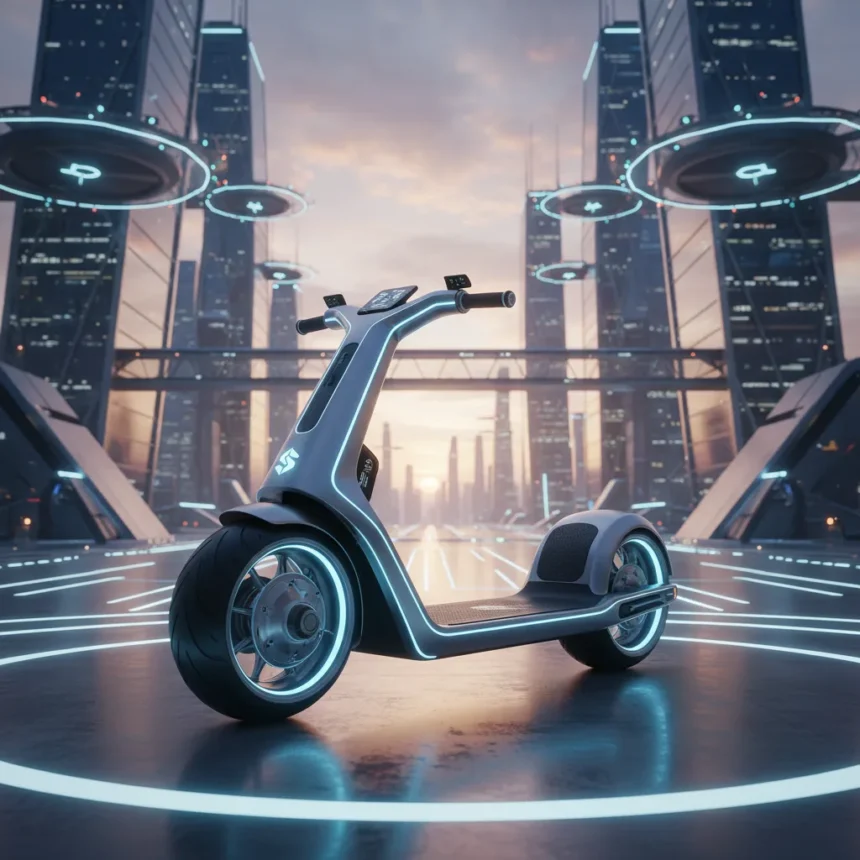
A self-balancing electric scooter is generating buzz as a next-generation personal mobility device, with enthusiasts calling it sci-fi come to life. But separating genuine innovation from marketing hype requires looking past the flashy claims and examining what these devices actually deliver.
Key Takeaways
- Self-balancing scooters use gyroscopic technology to maintain stability without rider intervention.
- Battery life typically ranges from 35 to 45 minutes per charge, with 3 to 4-hour recharge times.
- App-controlled ride modes and Bluetooth connectivity are standard features on modern models.
- Build quality varies significantly between brands, with some offering more solid construction than others.
- Competitors include traditional scooters, hoverboards, and three-wheeled mobility alternatives.
How Self-Balancing Technology Actually Works
The self-balancing electric scooter relies on gyroscopic sensors and accelerometers to detect rider weight distribution and automatically adjust motor power to both wheels. This technology keeps the device upright without active rider input, making it accessible to beginners. Early users report an extremely smooth and easy learning curve, with most riders comfortable within minutes. The stability comes from continuous real-time adjustments—the platform detects even micro-shifts in balance and compensates instantly.
What separates a quality self-balancing scooter from a cheap knockoff is responsiveness. A sluggish gyro system feels unpredictable and unsafe. Better models maintain stability consistently, with no sudden slips or loss of ground contact during normal riding. This difference isn’t always obvious from specs alone, which is why hands-on testing matters more than marketing copy.
Self-Balancing Electric Scooter vs. Traditional Alternatives
The self-balancing electric scooter occupies a different niche than kick scooters or motorcycles. Unlike a traditional scooter, which requires active steering and balance management, a self-balancing model does the heavy lifting for you—ideal if you want minimal physical effort. However, this convenience comes with trade-offs. Battery endurance is shorter: expect 35 to 45 minutes of continuous riding before needing a 3 to 4-hour recharge.



Three-wheeled mobility scooters represent another alternative, offering even greater stability through wider rear axles and a front steering wheel. These designs eliminate tipping risk entirely, making them safer for less experienced riders, though they sacrifice the sleek, futuristic aesthetic. Traditional kick scooters demand more balance skill but offer better portability and no charging dependency.
Compared to the Swagtron T3, which is larger and heavier with app-controlled ride modes, the Razor hoverboard offers superior build quality and a smoother overall ride experience, though at a higher price point. The KuKirin T3, by contrast, is a traditional electric scooter with 800W power and 45 km/h top speed—faster and more practical for commuting, but it lacks the self-balancing feature entirely.


Real-World Performance and Build Quality
Self-balancing scooters feel very compacted and solid when engineered well, delivering an unrivaled sense of control and safety during rides. The best models provide smooth acceleration, predictable handling, and responsive braking. However, build quality varies dramatically across brands. Some units have hollow construction that feels cheap and unreliable, while others use dense materials that inspire confidence.
Riders consistently praise the intuitive operation and the Bluetooth app controls that let you switch between ride modes without dismounting. This convenience appeals to urban commuters who want flexibility—aggressive mode for quick bursts, gentle mode for crowded areas. The safety features on quality models are genuinely solid, with automatic stabilization preventing the sudden loss of balance that plagued early hoverboards.
Is the Sci-Fi Hype Justified?
The self-balancing electric scooter does deliver on its core promise: hands-free balance management that feels futuristic. Watching someone ride one for the first time creates a genuine wow moment. But the sci-fi label oversells the reality. These aren’t levitating boards or autonomous vehicles—they’re sophisticated applications of existing gyroscopic technology refined over years.
The real value lies in accessibility and fun factor, not revolutionary innovation. If you want a device that’s easy to learn, looks cool, and requires minimal physical exertion, a self-balancing scooter delivers. If you’re seeking practical commuting range or high speed, traditional electric scooters outperform them. The gap between marketing and reality narrows when you understand what self-balancing scooters actually are: refined, user-friendly personal transport for short distances and leisure riding.



Should You Buy a Self-Balancing Electric Scooter?
A self-balancing electric scooter makes sense if you prioritize ease of use and aesthetic appeal over distance and speed. They excel for casual riders, beginners, and anyone intimidated by balance-dependent devices. The 35 to 45-minute battery life suits short urban trips or recreational riding around a park. Build quality matters enormously—cheap models feel flimsy and unreliable, while solid options deliver smooth, predictable performance.
Skip the self-balancing scooter if you need real commuting range, higher speeds, or rugged durability. A traditional electric scooter or e-bike will serve you better for daily transportation. The sci-fi appeal fades quickly once the novelty wears off, so buy one only if the core functionality—hands-free balance and smooth riding—genuinely excites you.
What battery life can you expect from a self-balancing electric scooter?
Most self-balancing scooters deliver 35 to 45 minutes of continuous riding per charge. Recharge times typically range from 3 to 4 hours, depending on the battery capacity and charger quality. Actual range varies with rider weight, terrain, and riding mode—aggressive acceleration drains the battery faster than steady cruising.
How long does it take to learn to ride a self-balancing electric scooter?
Most riders achieve basic comfort within minutes, thanks to the automatic stabilization system. The learning curve is dramatically gentler than traditional scooters or skateboards. Beginners often report feeling confident after just one short session, though mastering smooth acceleration and sharp turns takes a bit longer.
Are self-balancing electric scooters safe?
Quality self-balancing scooters with responsive gyroscopic systems maintain stable, predictable handling with no sudden slips or loss of contact. However, safety depends heavily on build quality and sensor responsiveness. Cheaper models with sluggish stabilization feel unsafe. Wear protective gear regardless—helmets, wrist guards, and knee pads reduce injury risk if you do lose balance or encounter obstacles.
The self-balancing electric scooter is a genuinely fun device for short leisure rides and casual urban mobility, but it’s not the revolutionary breakthrough marketing claims suggest. Buy one for the experience and accessibility, not because it’s the future of transportation. The real test isn’t whether it feels sci-fi—it’s whether it fits your actual riding needs and whether the build quality justifies the price. That’s where hype meets reality.
Where to Buy
Edited by the All Things Geek team.
Source: T3