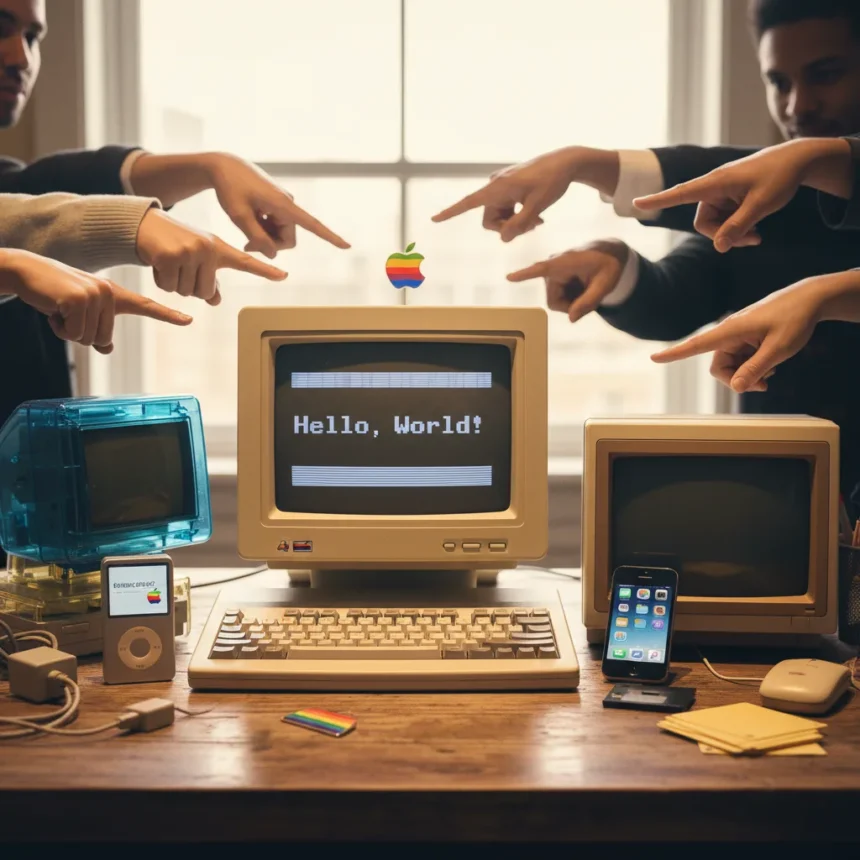
Your first Apple device likely changed how you think about technology. Tom’s Guide is asking readers to share memories of their first Apple device, tapping into a wave of nostalgia tied to Apple’s 50th anniversary celebrations.
Key Takeaways
- Tom’s Guide invited readers to share their first Apple device memories as part of Apple’s 50th-anniversary milestone.
- Early Apple devices like the Macintosh LC and iMac shaped user loyalty and computing habits for generations.
- Personal device stories reveal how hardware design and innovation influenced childhood and career trajectories.
- Apple’s anniversary quiz explores both tech innovations and controversial moments across five decades.
- Community engagement around device nostalgia demonstrates the emotional connection between users and Apple products.
Why your first Apple device still matters
The devices we owned as children or young adults become part of our identity. A first Apple device is rarely just a computer—it is a gateway to a way of thinking about design, simplicity, and what technology can do. Tom’s Guide’s community engagement piece taps into this by asking readers to reflect on their earliest Apple experience, whether they owned the device or simply used one at a friend’s house. These memories anchor people to brands and ecosystems for decades.
Consider the author’s own story: a Macintosh LC in the 90s, purchased by their mother for work but commandeered by kids for play. That device became the benchmark against which all future technology was measured. Years later, when a friend’s family bought an iMac with a translucent blue back, it seemed to represent the absolute peak of what technology could achieve. That perception—shaped by a single device’s aesthetic and performance—often lasts a lifetime.
How early Apple products shaped computing culture
The Macintosh LC and iMac were not the most powerful computers of their eras. Other manufacturers offered faster processors, more RAM, and lower prices. Yet these Apple devices achieved something competitors struggled with: they made computing feel aspirational and personal. The translucent blue iMac, in particular, became iconic not because of raw specifications but because it looked like the future.


This design-first philosophy created a feedback loop. Users who grew up with these machines expected the same thoughtful design in every subsequent purchase. They became loyal not out of habit but out of genuine preference. The devices worked differently, looked different, and promised a different kind of computing experience. That promise, delivered or not, shaped entire generations of purchasing decisions and technology preferences.
The role of nostalgia in Apple’s 50-year milestone
Apple’s 50th anniversary is not just a corporate milestone—it is an opportunity to reflect on how the company’s products have intersected with personal lives. By inviting readers to share their first Apple device memories, Tom’s Guide is capturing a narrative that no press release can replicate. These stories are authentic, emotional, and deeply personal.



The anniversary also includes a quiz exploring Apple’s tech highs and controversial moments, which frames the company’s history as complex and human rather than purely celebratory. This balanced approach acknowledges that Apple’s journey has included both innovations and missteps. Yet for many users, the emotional weight of their first device often outweighs any corporate controversy. A childhood memory of opening an Apple product or using one at school carries more weight than abstract corporate history.
What this reveals about tech loyalty
Community engagement around device nostalgia exposes something manufacturers rarely admit: loyalty is often built on emotion, not specs. A user who remembers their first Apple device fondly is more likely to remain in the ecosystem, even when competitors offer superior performance or lower prices. This is not irrational—it is human. We anchor our preferences to formative experiences.
The fact that Tom’s Guide receives responses from readers willing to share these memories demonstrates how deeply personal technology has become. A device is no longer just a tool; it is a marker of time, a symbol of aspiration, and a connection to people and places from our past. That emotional resonance is worth far more to Apple than any benchmark score.
Why Apple’s design philosophy endures
One reason first Apple devices remain memorable is that they looked and felt different from competitors. The Macintosh LC and iMac were not subtle—they announced themselves as something special. This design confidence has remained central to Apple’s strategy for five decades. Whether or not you preferred Apple’s choices, you could not ignore them.



This approach creates a natural divide: people either love Apple’s aesthetic and philosophy or they do not. There is rarely a middle ground. Those who loved their first device tend to remain loyal because subsequent devices deliver on the same promise. Those who did not connect with the design rarely switch later.
How does nostalgia drive tech purchasing decisions?
Nostalgia is a powerful purchasing driver. Users who remember their first Apple device positively are statistically more likely to upgrade within the Apple ecosystem rather than switch to Android or Windows devices. The emotional attachment formed during childhood or early adulthood persists into adulthood, influencing hardware choices, software preferences, and even willingness to pay premium prices. This is why companies invest heavily in brand loyalty campaigns and why community engagement around shared memories matters.
What makes the first device experience so memorable?
The first device experience is memorable because it represents discovery and novelty. Users are not yet jaded by incremental upgrades or market saturation. A first Apple device feels revolutionary because there is nothing to compare it against except previous, less advanced technology. This sense of possibility and wonder is difficult to recreate with subsequent purchases, no matter how powerful the hardware.
Will Apple’s anniversary nostalgia campaign influence new purchases?
Apple’s 50th-anniversary focus on community memories and personal stories is unlikely to directly drive new hardware sales, but it reinforces brand affinity among existing users and creates positive sentiment that influences upgrade timing and ecosystem loyalty. For new users discovering Apple for the first time, these nostalgic narratives may create unrealistic expectations about what the devices will do or how they will feel. The emotional weight of a childhood memory is hard to replicate with a new purchase, no matter how polished the product.
The invitation to share your first Apple device is more than a marketing tactic—it is a recognition that technology is inseparable from memory and emotion. Whether you owned a Macintosh LC, an iMac, or something more recent, that device shaped how you think about design, innovation, and what computers should be. That influence, forged in the moment of first use, often lasts longer than the hardware itself.
Edited by the All Things Geek team.
Source: Tom's Guide