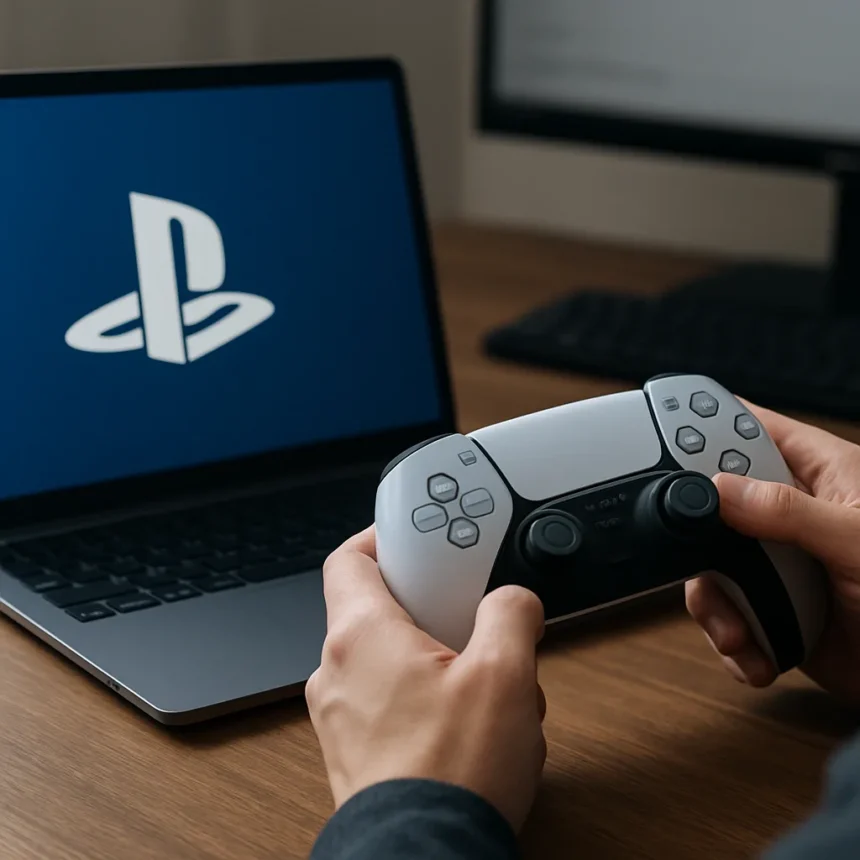
PlayStation PC releases are reportedly ending for single-player games, marking a sharp reversal from six years of porting major titles to Windows and Steam. The reported shift would leave multiplayer and live-service games as the only PlayStation titles eligible for PC distribution, fundamentally reshaping expectations for where you’ll play Sony’s biggest franchises.
Key Takeaways
- PlayStation will reportedly stop releasing single-player games on Windows PC and Steam going forward.
- Multiplayer and live-service titles like Marathon would continue receiving PC ports under the new strategy.
- The move reverses a six-year experiment that began with Horizon Zero Dawn on Steam in 2020.
- Xbox faces pressure to clarify its own exclusivity stance as the two platforms diverge strategically.
- Third-party PlayStation games like Death Stranding 2 would still reach PC despite the first-party pullback.
Why PlayStation is reportedly abandoning PC for single-player games
Sony’s decision to retreat from PC releases for single-player titles reflects a calculated shift in corporate strategy. After six years of testing the market with major releases, PlayStation leadership apparently concluded that console exclusivity generates stronger hardware sales and ecosystem lock-in than the revenue gained from PC ports. The move aligns with statements from PlayStation chairman Hiroki Totoki about the need to improve profit margins and prioritize console-exclusive experiences.
This is not a complete exit from PC gaming. Multiplayer-focused games like Marathon would still launch on Windows and Steam, allowing Sony to capture the live-service audience while protecting single-player franchises as console-exclusive draws. Third-party publishers with PlayStation funding, including the developers of Death Stranding 2, would retain PC release rights, creating a nuanced middle ground between full exclusivity and universal availability.
The timing matters. Xbox has been quietly reconsidering whether its Game Pass strategy of day-one multiplatform releases is sustainable long-term. If PlayStation tightens exclusivity while Microsoft loosens it, the industry enters unfamiliar territory—a reversal of the last two generations’ momentum toward platform parity.

How this pressures Xbox to choose a direction
Microsoft faces an uncomfortable choice. For years, Xbox’s competitive disadvantage in exclusive franchises drove the company toward an open-platform strategy: bring Game Pass everywhere, make exclusivity irrelevant, win through subscription and ecosystem breadth rather than scarcity. That philosophy still shapes Xbox’s current approach. But if PlayStation doubles down on console-exclusive blockbusters while Xbox remains the open-door platform, perception shifts. Suddenly, PlayStation becomes the place to play the biggest single-player adventures, while Xbox becomes the service for everything else.
The pressure is not about matching PlayStation’s exclusivity—it is about credibility. If Xbox publicly commits to keeping exclusives multiplatform while PlayStation hoards single-player games, Xbox risks appearing weak by comparison, even if the business logic is sound. Conversely, if Xbox reverses course and reclaims exclusivity for its own tentpole franchises, it signals that the subscription-first strategy was an experiment that failed to sustain competitive parity.
This dilemma explains why the PlayStation PC pullback matters beyond Sony’s immediate interests. It forces Xbox to articulate a coherent response, not to Sony’s tactic specifically, but to the broader question: in a market where one competitor is weaponizing exclusivity, can you compete by giving it away?
What games are affected by PlayStation PC releases ending
Ghost of Yōtei, the upcoming samurai sequel, reportedly will not receive a PC port under the new exclusivity rules. This marks a departure from PlayStation’s recent pattern, where major franchises like God of War and Horizon received PC releases within 1-2 years of console launch. However, the policy includes exceptions. Death Stranding 2, despite being published by PlayStation, will still come to PC because Kojima Productions retains publishing rights. Marathon and other multiplayer titles remain candidates for PC distribution, preserving Sony’s live-service presence on the platform.
The distinction between first-party exclusives and third-party exceptions creates a gray zone. Gamers expecting a Ghost of Yōtei PC port will be disappointed, but the broader PlayStation Studios catalog will not disappear from Steam entirely. Instead, the platform becomes segmented: single-player adventures stay console-exclusive, while multiplayer experiences and third-party games continue the PC tradition.
Is this the end of PlayStation on PC?
No. PlayStation PC releases will continue for multiplayer and live-service games, and third-party publishers with PlayStation backing retain PC rights. What is ending is the pattern of major single-player blockbusters arriving on PC within a year or two of console release. For players who prefer mouse-and-keyboard controls or already own a gaming PC, this represents a meaningful loss. For PlayStation, it represents a calculated bet that console sales and engagement matter more than PC revenue.

Steam remains relevant to PlayStation’s ecosystem, but in a diminished capacity. The platform shifts from a destination for PlayStation’s best games to a secondary home for multiplayer titles and third-party experiments. Whether that strategy succeeds depends on whether console players value exclusivity enough to justify the lost PC audience—a question that will not be answered for years.
FAQ
Will all PlayStation games stop coming to PC?
No. Multiplayer and live-service titles like Marathon will continue receiving PC ports. Third-party games published by PlayStation, such as Death Stranding 2, will also reach PC. Only first-party single-player games are reportedly affected by the new exclusivity policy.
Does this affect games already released on PC?
No. Existing PlayStation PC releases like God of War and Horizon Zero Dawn remain available on Steam. The policy applies only to future single-player releases, not retroactive removal of titles already ported to the platform.
Why would PlayStation abandon PC when it was working?
PlayStation leadership concluded that console exclusivity drives hardware sales and ecosystem loyalty more effectively than the revenue generated by PC ports. The company reportedly spent six years testing the PC market and decided the return did not justify the loss of exclusivity as a competitive advantage.
PlayStation’s reported retreat from PC single-player releases represents a strategic inflection point for the entire industry. It signals that exclusivity still matters—that scarcity and platform differentiation remain valuable in a market increasingly defined by subscription services and multiplatform play. Whether Xbox follows suit or doubles down on openness will define the next generation of console competition. For now, the message is clear: PlayStation believes the future belongs to those willing to restrict access.
Where to Buy
Xbox Game Pass…Xbox Game Pass Ultimate – 1 Month Membership – Xbox, Windows, Cloud Gaming Devices [Digital Code] | Xbox Game Pass…Xbox Game Pass Ultimate – 3 Month Membership – Xbox, Windows, Cloud Gaming Devices [Digital Code]
Edited by the All Things Geek team.
Source: Windows Central