Retro gaming handhelds are flooding the market, but two devices with flip-style designs stand out from the noise. These old-school gems tap into genuine nostalgia while delivering solid emulation across multiple classic systems, proving that form factor matters as much as raw power in the handheld space.
Key Takeaways
- Flip-style retro gaming handhelds mimic 80s design while supporting games up to PSOne era.
- The R36T runs an RK3326 chip and costs $69 for the Max variant with over 18,000 games.
- Magic Zero 40 features a quirky wheel-shaped D-pad and TV-inspired plastic body design.
- Playdate offers a modern alternative with a monochrome display and exclusive crank-based games.
- Chinese retro devices now dominate the market alongside Steam Deck clones and premium options.
Why Retro Gaming Handhelds Matter Right Now
The handheld market is saturated. Steam Deck clones flood online retailers, Chinese manufacturers churn out dozens of indistinguishable devices yearly, and premium options like the Backbone One for phones offer their own appeal. Yet retro gaming handhelds with flip designs cut through the clutter because they lean into what made 80s hardware charming: compact form factors, tactile controls, and zero pretense. These aren’t trying to be gaming PCs. They’re trying to be fun.
The two standout flip-style devices prove the category works. Both prioritize design authenticity over raw specs, and both deliver on the promise of playing thousands of classic games on the go. That’s the real appeal here—not bleeding-edge performance, but reliable access to decades of gaming history in your pocket.
The R36T: Affordable Retro Done Right
The R36T is instantly likeable. It runs the same RK3326 chip found in other Anbernic devices, supporting a healthy range of systems up to PSOne with select games. The R36T Max variant costs just $69 and comes packed with over 18,000 games. That’s not a typo—nearly twenty thousand titles out of the box. For casual retro players, that’s more than enough to justify the purchase.

What matters more than the spec sheet is the execution. The flip design works. The controls feel responsive. The screen displays your games without lag or color banding issues that plague cheaper handhelds. If you’re comparing the R36T to other budget retro gaming handhelds flooding the market, you’ll notice the R36T doesn’t try to be something it isn’t—it’s a straightforward emulation box with a nostalgic form factor and a price that doesn’t sting.
Magic Zero 40: Quirk as a Feature
Then there’s the Magic Zero 40, a device that swings for the fences with design choices that shouldn’t work but somehow do. It features a 4-inch vertical IPS touchscreen at 480x resolution, a plastic body shaped like an old TV set, and—here’s where it gets weird—a wheel-shaped D-pad instead of the traditional cross layout. The LED thumbstick glows, adding another layer of retro kitsch. Under the hood, the RK3326 chip handles emulation duties, supporting systems up to PSOne.
The wheel D-pad is either genius or a gimmick depending on your tolerance for unconventional controls. Some games benefit from the circular motion input. Others feel awkward. But that’s the point—the Magic Zero 40 prioritizes personality over universal comfort, and that personality is exactly what makes retro gaming handhelds exciting right now. It’s a device that doesn’t apologize for being different.
How Retro Gaming Handhelds Compare to Alternatives
The cartridge-based Evercade Nexus offers a slick alternative with pre-orders available through Funstock and regional vendors. Unlike the R36T and Magic Zero 40, the Nexus doesn’t emulate—it runs official licensed cartridges, which trades flexibility for curated quality. That’s a valid choice, but it limits your library and costs more per game over time.
Playdate takes a completely different approach, eschewing emulation entirely in favor of a monochrome display, simple controls, and a crank mechanism for actions and menus. Games are exclusive pixel art titles made specifically for Playdate, with short file sizes and a focus on creativity over breadth. It’s retro gaming reimagined for modern sensibilities rather than retro gaming preserved as-is. Both approaches have merit, but the flip-style R36T and Magic Zero 40 win if you want maximum game variety without sacrificing nostalgia.
The Real Competition: The Crowded Handheld Market
Retro gaming handhelds face stiff competition from Steam Deck clones, Chinese devices with minimal differentiation, and specialized hardware like the Retroid Pocket 5. What separates the R36T and Magic Zero 40 from the pack isn’t processing power—it’s design conviction. The R36T knows it’s a budget emulation box and leans into that identity. The Magic Zero 40 embraces weirdness as a selling point. Neither pretends to be something it isn’t.
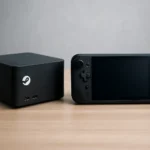

The broader market trend is clear: handhelds are fragmenting into niches. Premium options like Steam Deck dominate the hardcore crowd. Budget Chinese devices appeal to impulse buyers. Cartridge systems like Evercade target collectors. Crank-based devices like Playdate attract indie game enthusiasts. The flip-style retro gaming handhelds sit in the sweet spot between affordability, design authenticity, and game variety—a position that’s proving surprisingly durable as the market matures.
Should You Buy a Retro Gaming Handheld?
If you grew up with 8-bit and 16-bit games, yes. If you want portable access to thousands of classics without breaking the bank, absolutely. If you demand latest graphics or online multiplayer, these aren’t for you—look elsewhere. The R36T at $69 is a no-brainer entry point. The Magic Zero 40 is for players who want their handheld to make a statement.
What makes the R36T Max different from other budget retro handhelds?
The R36T Max combines an RK3326 chip with a flip design and 18,000+ pre-loaded games for $69, offering better value than most competitors in the same price range. Most budget devices either lack the game library or cost significantly more.
Can retro gaming handhelds play modern games?
No. The R36T and Magic Zero 40 support systems up to PSOne, meaning they’re limited to games from the 1990s and earlier. They’re emulation devices, not modern gaming platforms.
Is the Playdate a better choice than flip-style retro gaming handhelds?
It depends on your priorities. Playdate offers exclusive modern games with a crank mechanism and monochrome display, while flip-style retro gaming handhelds give you thousands of classic titles. Playdate is for creative indie gaming; flip designs are for retro preservation.
Retro gaming handhelds with flip designs have arrived at the right moment. The market is flooded with options, but these two devices prove that thoughtful design and authentic nostalgia still matter more than chasing the latest specs. Whether you choose the affordable R36T or the quirky Magic Zero 40, you’re getting a solid handheld that respects what made 80s gaming fun in the first place.
Where to Buy
Lenovo Legion Go S | MSI Claw 8 AI+ A2VM | Valve Steam Deck OLED 1TB | Nintendo Switch 2 | ASUS ROG Xbox Ally
Edited by the All Things Geek team.
Source: T3