





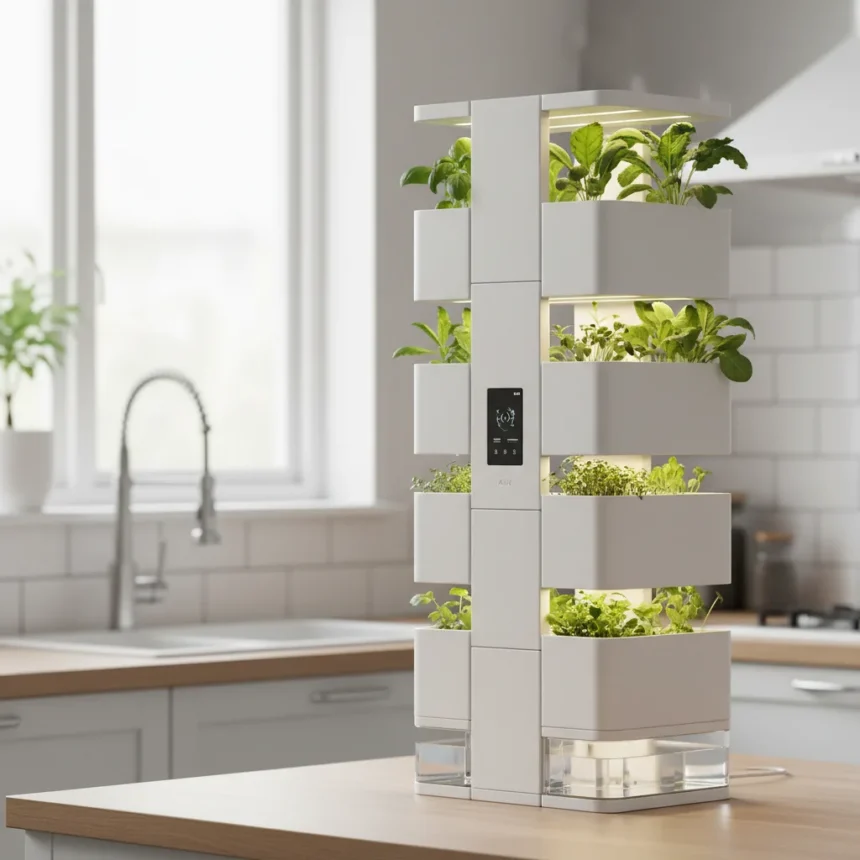
The Auk smart garden upgrade represents a paradox in product design: it simultaneously expands growing capacity and reduces physical footprint. This Scandinavian indoor farming system has earned consistent praise for its design and functionality, and the latest iteration pushes those strengths further while addressing real constraints of home gardening.
Key Takeaways
- Auk’s upgraded model increases growing capacity while occupying less countertop space than before
- The system uses EverGrow-system™ technology with NFC chip integration for plant monitoring
- T3 has consistently rated Auk products highly, recognizing the brand’s design quality
- The upgrade balances practical limitations of indoor gardening with user space constraints
- Auk remains a competitive option in the smart indoor garden market
What Changed in the Auk Smart Garden Upgrade
The core tension of this upgrade is its central appeal: Auk managed to increase the number of plants you can grow while reducing the physical space the system occupies. This is not achieved through marketing sleight of hand but through genuine engineering rethinking. The redesign reflects a maturation in how the company approaches the trade-off between ambition and practicality.
Auk is a Scandinavian smart indoor garden system designed for home users who want to grow herbs, vegetables, and greens year-round without soil or excessive maintenance. The brand has built its reputation on combining Nordic design minimalism with functional hydroponic technology. The upgrade maintains this philosophy while pushing the boundaries of what fits realistically into a home kitchen or living space.
The EverGrow-system™ with NFC chip technology remains central to the experience. This system allows the garden to communicate directly with plants, adjusting light and nutrient delivery based on real-time growth data. For users, this means less guesswork and more reliable harvests compared to traditional indoor gardening approaches or older smart garden systems that rely on generic timing schedules.


Why Bigger and Smaller Matter Simultaneously
The apparent contradiction—bigger capacity, smaller footprint—solves a real problem that previous-generation smart gardens ignored. Most users want to grow more plants, but few have unlimited counter or shelf space. The upgrade acknowledges this constraint and engineers around it rather than pretending it does not exist.
By optimizing the internal architecture and rethinking how plants are arranged vertically rather than horizontally, Auk achieved density without sacrificing accessibility. You can still reach each plant to harvest or inspect it, and the system remains visually compact enough that it does not dominate your kitchen aesthetics. This matters more than it sounds: a smart garden that becomes visual clutter gets relegated to a closet and stops being used.


The upgrade also addresses a secondary advantage: reduced energy consumption per plant grown. A more efficient system means lower electricity bills and less environmental impact, which appeals to the environmentally conscious users who gravitate toward indoor farming in the first place.
How the Auk Upgrade Compares to the Competition
The smart indoor garden category includes systems ranging from simple LED-lit planters to fully automated hydroponic farms. Auk’s strength has always been its design coherence and the integration of monitoring technology without overwhelming the user interface. The upgrade reinforces this positioning rather than chasing the most features or the lowest price.
Competitors often choose to expand by adding more tiers, more lights, or more complexity. Auk instead chose to optimize—making the same philosophy work harder within tighter constraints. This is a design philosophy, not just a product decision, and it appeals to users who value restraint and functionality over maximalism.
The NFC chip technology differentiates Auk from systems that rely on app-based monitoring or manual intervention. The plant itself becomes the interface, in a sense, which is elegantly Scandinavian and practically useful for users who find constant app notifications annoying or distracting.



Should You Upgrade or Switch to Auk
If you already own an older Auk model, the upgrade makes sense if you are constrained by space or want to increase yield without buying a second unit. The efficiency gains mean lower operating costs over time, which compounds the value proposition.
If you are new to smart indoor gardening, the upgraded Auk is a strong entry point. It avoids the beginner mistakes of cheap systems (inadequate lighting, unreliable sensors) while remaining more forgiving than commercial-grade hydroponic setups that require serious commitment and technical knowledge.
The main caveat: Auk remains a premium product, and the upgrade does not change that positioning. You are paying for design quality, reliable technology, and a system that will still look good in your home after two years of daily use.
Does the Auk smart garden upgrade require special installation
No. The system arrives ready to use—fill the water reservoir, add nutrients, insert seed pods, and plug it in. The upgrade maintains Auk’s philosophy of removing barriers to entry. Setup takes less than 10 minutes for most users.
How many plants can the upgraded Auk grow
The specific plant capacity depends on which Auk model you choose, as the company offers multiple tiers. The upgrade increases capacity across the range while maintaining the compact footprint that made the original system appealing.
Is the Auk smart garden upgrade worth the price
That depends on your relationship with indoor gardening. If you see it as a convenience tool for fresh herbs and greens, the upgrade justifies its cost through consistent harvests and low maintenance. If you are experimenting with the idea of indoor farming, the Auk Mini offers a lower-commitment entry point. The upgrade itself is worth considering if you already believe in the category and want the latest efficiency improvements.
The Auk smart garden upgrade succeeds because it solves a real tension in product design: how to offer more without demanding more space. For users who have been waiting for a smarter, more efficient indoor garden that does not require a dedicated room, this upgrade finally delivers on that promise.
Edited by the All Things Geek team.
Source: T3




