
Xbox Game Pass price cuts have helped improve subscriber retention after the service’s growth stalled following earlier price increases, according to Xbox CEO Asha Sharma. The move signals that Microsoft recognizes Game Pass pricing had become a barrier to growth, but Sharma’s comments also hint at deeper structural problems facing the Xbox division that a price adjustment alone cannot solve.
Key Takeaways
- Xbox Game Pass Ultimate dropped from $29.99/month to $22.99/month, effective immediately
- PC Game Pass fell from $16.49/month to $13.99/month, addressing subscriber churn
- New Call of Duty titles will no longer launch day one on Game Pass, joining the service roughly a year after release
- Sharma acknowledged Game Pass pricing was “too expensive for players” and needed “a better value equation”
- The price cuts represent a tactical response to a retention problem, not a complete Xbox strategy overhaul
Game Pass Price Cuts Address Immediate Retention Crisis
The price reductions represent Microsoft’s direct response to a retention problem that emerged after Game Pass subscriber growth flatlined. By cutting Xbox Game Pass Ultimate by roughly $7 per month and PC Game Pass by around $2.50 per month, Microsoft is attempting to rebuild confidence in a service that had begun losing appeal at higher price points. These cuts were effective immediately, signaling urgency in stopping subscriber churn.
Sharma framed the pricing issue clearly: Game Pass had become “too expensive for players” and the service needed “a better value equation”. This acknowledgment is crucial because it confirms what subscriber data apparently showed—the earlier price increases, while profitable in the short term, damaged long-term retention. The cuts are a calculated retreat from that strategy, betting that lower prices will attract and retain more subscribers than premium pricing ever could.
Call of Duty Changes Reshape Game Pass Content Strategy
The price cuts arrived alongside a significant content shift that may prove more consequential than the pricing move itself. New Call of Duty titles will no longer launch day one on Game Pass. Instead, they will join the service roughly a year after their initial release, during the following holiday season. Existing Call of Duty titles will remain available in the Game Pass library, but the day-one exclusivity advantage is gone.


This change reveals a strategic tension within Xbox. Game Pass built much of its early appeal on day-one access to major franchises, but that model proved unsustainable at scale. By delaying new Call of Duty entries, Microsoft is signaling that the service’s value proposition must shift from “play new games immediately” to something more sustainable. The price cut softens this blow for subscribers, but it also signals that Microsoft is willing to trade perceived value for financial stability—a concerning signal about Game Pass’s long-term business model.
Broader Xbox Challenges Will Take Longer to Fix
Sharma’s warning that “the bigger challenge will take time” suggests the price cuts are a band-aid on a deeper wound. Xbox Series X|S hardware sales have been in free-fall decline, and the broader Xbox ecosystem faces structural challenges that pricing alone cannot address. The company is reportedly exploring a more Steam-like publishing model for Xbox, suggesting Microsoft is considering more fundamental changes to how it distributes games.

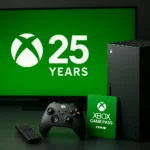

The real question is whether Game Pass can remain viable as a loss-leader service while Xbox hardware struggles. Microsoft has committed to putting a minimum of 75 games per year into Game Pass, which requires significant licensing and development investment. If hardware sales continue declining and Game Pass growth remains sluggish even after price cuts, Microsoft may face difficult decisions about the service’s future scope and investment level. Sharma’s hint at “more difficult decisions ahead” likely refers to these structural trade-offs, not just pricing adjustments.
Is the Price Cut Enough to Reverse Game Pass Decline?
The price cuts address a symptom—high churn—but may not address the root cause: Game Pass isn’t growing. Lowering prices can stop subscribers from leaving, but it cannot force new subscribers to join if they perceive the service as lacking compelling content or value. The loss of day-one Call of Duty access actually weakens the value proposition for new subscribers considering the service, even if existing subscribers benefit from lower monthly costs.
Microsoft’s strategy now appears to be stabilizing Game Pass at a lower price point while gradually rebuilding confidence through content and ecosystem improvements. This is a slower, less flashy approach than the aggressive day-one licensing strategy of earlier years, but it may be more sustainable if it actually improves retention and attracts price-sensitive gamers who were previously priced out.
FAQ
How much did Xbox Game Pass Ultimate cost before the price cut?
Xbox Game Pass Ultimate was $29.99/month before the cut reduced it to $22.99/month. PC Game Pass fell from $16.49/month to $13.99/month.


Will existing Call of Duty games stay on Game Pass?
Yes, existing Call of Duty titles will remain available in the Game Pass library. Only new releases will be delayed, joining roughly a year after their initial launch.
What does Asha Sharma mean by “the bigger challenge will take time”?
Sharma likely refers to structural problems facing Xbox beyond pricing, including declining hardware sales and the need to rebuild the service’s overall value proposition. Price cuts are a quick fix; rebuilding subscriber growth and hardware momentum requires longer-term strategic changes.
The Xbox Game Pass price cuts represent a tactical admission that Microsoft overextended its pricing power, but they also reveal a company struggling with deeper questions about how to make Game Pass profitable while maintaining subscriber growth. Sharma’s warning that bigger challenges lie ahead suggests Microsoft knows the real work—restructuring Xbox’s hardware and content strategy—is only beginning.
Edited by the All Things Geek team.
Source: Windows Central