Xbox Mode on Windows PC represents Microsoft’s attempt to create a dedicated gaming interface on its desktop operating system, though adoption remains extraordinarily limited as of 2026. According to hands-on reporting, the ecosystem around Xbox Ally and Xbox Mode is so sparse that active users can count themselves among a genuinely small global community, with observers noting the user base is measured in dozens rather than millions. This niche status raises fundamental questions about whether Microsoft’s gaming vision for Windows will ever reach mainstream adoption or remain a curiosity for early adopters and gaming journalists.
Key Takeaways
- Xbox Mode on Windows PC remains a niche platform with minimal global adoption in 2026.
- AutoSR testing is underway as part of the Xbox Ally experience evaluation.
- Xbox Helix represents the next phase of Microsoft’s Windows gaming strategy.
- The platform’s limited user base suggests ongoing experimentation rather than market-ready maturity.
- First-hand usage reveals both the potential and current limitations of Xbox-branded PC gaming.
The Current Reality of Xbox Mode Adoption
Xbox Mode on Windows PC has not achieved the mainstream penetration Microsoft likely envisioned when developing the platform. The user community is so restricted that gaming journalists actively using the system describe themselves as anomalies within their profession, joking that global adoption barely reaches dozens of active users. This extreme niche positioning stands in sharp contrast to traditional Windows gaming, where Steam dominates with millions of concurrent players and standard Windows desktop gaming remains the default experience for PC gamers worldwide. The gap between Xbox Mode’s ambitions and its real-world traction is substantial.
The limited adoption suggests that Xbox Mode has not yet solved the core value proposition problem: why should Windows PC gamers abandon established ecosystems and interfaces to use a dedicated Xbox-branded gaming mode? Without compelling exclusive features, superior performance, or a robust game library that justifies the switch, Xbox Mode struggles to attract users beyond those with specific brand loyalty or professional interest in Microsoft’s gaming direction.
AutoSR Testing and Platform Evolution
AutoSR is currently being tested within the Xbox Ally and Xbox Mode ecosystem, indicating that Microsoft is actively iterating on the platform’s capabilities. This testing phase suggests the system is not yet feature-complete and remains in active development rather than a stable, finished product. The fact that AutoSR is undergoing evaluation implies Microsoft is exploring performance optimization or user experience improvements that could eventually differentiate Xbox Mode from standard Windows gaming interfaces.

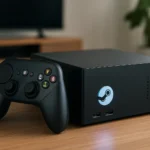
Testing emerging technologies within such a limited user base allows Microsoft to gather feedback and refine functionality without the scrutiny and pressure of a mass-market launch. However, this also means that Xbox Mode remains primarily a testing ground for Microsoft’s gaming innovations rather than a proven, consumer-ready platform. The iterative nature of the current implementation reflects the broader challenge: building a viable gaming platform requires not just technical features but also a critical mass of users and compelling reasons for them to engage.
What Xbox Helix Might Mean for the Future
Xbox Helix represents the next evolution in Microsoft’s Windows gaming strategy, though details about its specific capabilities and timeline remain unclear from current reporting. The fact that Xbox Helix is being positioned as a successor or next phase suggests Microsoft is not abandoning its gaming platform ambitions on Windows, despite the current limited adoption of Xbox Mode. This forward-looking stance indicates that Microsoft views the current niche platform as a stepping stone toward something more ambitious.

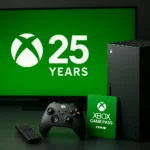
Whether Xbox Helix will succeed where Xbox Mode has struggled depends on whether Microsoft can address the fundamental adoption challenges. A new platform name and updated technology mean little without either exclusive content that drives user migration or a fundamentally superior user experience that makes the switch worthwhile. The gaming landscape has shown repeatedly that ecosystem lock-in, game availability, and user inertia are more powerful than interface design or platform branding alone.
Why Xbox Mode Remains a Curiosity Rather Than a Movement
The extreme rarity of Xbox Mode users globally reveals a disconnect between Microsoft’s platform vision and market demand. Windows PC gaming has thrived for decades through open standards, flexibility, and user choice—qualities that a dedicated Xbox-branded mode may actually restrict rather than enhance. Gamers on Windows have long valued the ability to choose their launcher, customize their experience, and access games from multiple storefronts simultaneously, something a branded gaming mode inherently limits.
Additionally, Xbox Game Pass integration on Windows already provides a significant value proposition without requiring users to adopt a separate gaming interface. For many players, the existing Windows ecosystem with Game Pass access is sufficient, eliminating the incentive to explore a dedicated Xbox Mode. This suggests that Microsoft’s challenge is not just building better technology but fundamentally changing how Windows PC gamers think about their gaming experience—a far more difficult task than iterating on features.
Is Xbox Mode worth switching to from standard Windows gaming?
Xbox Mode on Windows PC is currently best suited for users deeply invested in the Xbox ecosystem or those willing to experiment with emerging platforms. For mainstream Windows PC gamers, standard Windows gaming with Game Pass access likely provides the same benefits without requiring a separate interface or limiting customization options. The platform’s niche adoption suggests most players have not found compelling reasons to make the switch.


What is AutoSR and why is it being tested in Xbox Mode?
AutoSR is an optimization technology currently undergoing testing within the Xbox Ally and Xbox Mode environment. Its specific functionality is not detailed in available reporting, but the testing phase indicates Microsoft is exploring performance enhancements or user experience improvements designed to make Xbox Mode more competitive with standard Windows gaming interfaces.
When will Xbox Helix launch and what will it offer?
Xbox Helix’s specific launch timeline and feature set have not been publicly detailed. The platform is positioned as the next phase of Microsoft’s Windows gaming strategy, but concrete information about release dates, exclusive capabilities, or how it will differ from current Xbox Mode remains unavailable. Current reporting focuses on the platform’s existence as a future direction rather than imminent availability.
Xbox Mode on Windows PC in 2026 tells a story of ambitious vision meeting limited market adoption. Microsoft has built a dedicated gaming platform, but dozens of global users does not a movement make. Whether Xbox Helix can change this trajectory depends entirely on whether Microsoft can answer the question that Xbox Mode has failed to address: why should Windows PC gamers care? Until that answer becomes compelling, Xbox Mode and its successors will remain footnotes in Windows gaming history rather than transformative forces reshaping how people play on PC.
Where to Buy
ASUS ROG Xbox…ASUS ROG Xbox Ally – 7” 1080p 120Hz Touchscreen Gaming Handheld, 3-month Xbox Game Pass Premium included, AMD Ryzen Z2 A, 16GB RAM, 512GB SSD, White | Xbox Game Pass…Xbox Game Pass Ultimate – 1 Month Membership – Xbox, Windows, Cloud Gaming Devices [Digital Code]
Edited by the All Things Geek team.
Source: Windows Central