Project Helix pricing memory costs are becoming a critical concern for Xbox, with CEO Asha Sharma publicly acknowledging that volatile memory shortages will directly impact both the price tag and market availability of Microsoft’s next-generation console. The AI boom has created unprecedented demand for memory chips, forcing hardware manufacturers to confront a harsh reality: next-gen consoles may cost significantly more than their predecessors, or face delayed launches.
Key Takeaways
- Xbox CEO Asha Sharma confirmed memory cost volatility will impact Project Helix pricing and availability.
- AI-driven memory shortages are the primary culprit behind supply chain pressure on next-gen hardware.
- Analysts predict Project Helix could launch at $1,000, matching potential PS6 pricing.
- Development kits for Project Helix are planned for next year (2027).
- Nintendo Switch 2 and other platforms face similar inflationary pricing pressures.
Why Memory Costs Are Derailing Next-Gen Console Plans
The memory shortage plaguing Project Helix stems directly from the current AI boom. Data centers and AI chip manufacturers are hoarding VRAM and DRAM at unprecedented scales, leaving consumer hardware makers scrambling for available inventory. Asha Sharma explained how memory shortages caused by the current AI boom are impacting Project Helix, creating a domino effect across the entire console roadmap. This is not a temporary blip—it reflects a structural shift in chip demand that will persist for years.
Memory represents a significant portion of a console’s bill of materials. When memory prices spike, manufacturers face a brutal choice: absorb the cost and compress margins, or pass it to consumers. For a product like Project Helix, which will compete directly with PlayStation 6, neither option is attractive. A $1,000 console alienates mainstream gamers. Absorbing costs risks financial losses on hardware that Microsoft expects to sell in tens of millions of units.
Project Helix Pricing Could Hit $1,000 at Launch
Industry analysts have already begun warning about the damage. Multiple analysts predict that both Project Helix and the next-generation PS6 may cost $1,000 at launch, a figure that would represent a 67% price increase over the current Xbox Series X. For context, the current console generation launched at $499 in 2020. A $1,000 entry point would fundamentally reshape console market dynamics and potentially reduce addressable audience significantly.

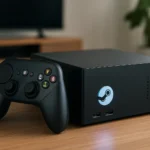
Sharma’s acknowledgment of memory-driven pricing pressure lends credibility to these analyst predictions. She is not speculating—she is describing real constraints her team is navigating right now. Development kits for Project Helix are planned for next year, meaning the hardware architecture and cost structure are already locked in or nearly finalized. If memory costs remain elevated through 2027, when development kits roll out, that pressure will only intensify closer to launch.
The Broader Industry Reckoning
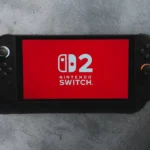
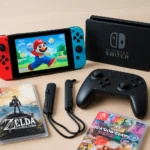
Project Helix is not alone. Nintendo Switch 2 could face future price hikes to combat inflation, and the PS6 faces identical memory supply headwinds. What Sharma is essentially saying is that the entire console industry is bracing for a generational price shock. This is a departure from the traditional console cycle, where prices typically decline over time as manufacturing scales and chip costs fall. Instead, the next generation may launch at historically high prices and stay there.
The irony is bitter: the AI revolution that promises to transform gaming through better graphics, smarter NPCs, and more dynamic worlds is simultaneously making the hardware that runs those games unaffordable for ordinary consumers. Memory costs are not the only factor—power delivery, cooling, and manufacturing complexity all scale with performance. But memory is the most volatile and hardest to predict, which is why Sharma flagged it specifically.
What This Means for Project Helix Availability
Beyond pricing, Sharma raised the specter of availability constraints. High prices alone do not guarantee supply—they can actually restrict it. If memory remains scarce, Microsoft may not be able to manufacture Project Helix in sufficient quantities to meet launch demand, even at elevated prices. This creates a worst-case scenario: expensive, hard-to-find hardware that frustrates early adopters and gives competitors an opening.
The development kit timeline (next year, 2027) suggests Project Helix is still 2-3 years away from consumer launch. That window is crucial. If memory prices normalize or supply improves, Sharma’s concerns may prove overblown. If they worsen, Microsoft could face a genuine crisis. The company has no control over global memory markets, only over how it allocates its engineering and marketing resources in response.
Can Microsoft Avoid a $1,000 Console?
Theoretically, yes. Microsoft could reduce hardware specifications, cut features, or accept lower margins. A less powerful console would require less memory and cost less to manufacture. But that strategy carries its own risks: underpowered hardware invites criticism and limits the game library’s ambitions. Alternatively, Microsoft could launch Project Helix at a competitive price and subsidize the hardware, betting on software and services revenue to offset losses. This is the traditional console industry playbook, but it requires confidence in long-term profitability.


What Sharma’s statement reveals is that Microsoft is not yet confident in that math. The company is signaling to investors, partners, and the public that next-gen console economics are uncertain and challenging. This transparency, while refreshing, also signals vulnerability. It invites questions about whether the traditional console business model can survive a generation of expensive, memory-constrained hardware.
Is Project Helix still on track for a 2027 launch?
Development kits are planned for next year (2027), which suggests Microsoft intends to stay on schedule. However, memory constraints could delay the kit rollout or force compromises in specifications. A delayed development kit timeline would cascade into a delayed consumer launch, potentially pushing Project Helix into 2028 or beyond.
Will Project Helix cost $1,000?
Analysts predict a $1,000 price tag, but Microsoft has not confirmed this figure. CEO Asha Sharma acknowledged that memory costs will impact pricing but stopped short of naming a specific number. The actual launch price will depend on memory market conditions closer to release.
How does Project Helix memory shortage compare to PS6?
Both Project Helix and PS6 face identical memory supply pressures from the AI boom. Analysts predict similar launch pricing ($1,000 range) for both consoles, suggesting Sony faces the same structural challenges as Microsoft.
The next-generation console cycle will not look like the last one. Memory shortages, driven by AI demand, are forcing a reckoning with hardware costs that console makers cannot easily dodge. Asha Sharma’s candor about Project Helix pricing challenges is a warning shot: expect expensive, hard-to-find hardware, or prepare for significant compromises in performance and features. The console industry’s golden age of affordable, powerful machines may be ending.
Edited by the All Things Geek team.
Source: Windows Central