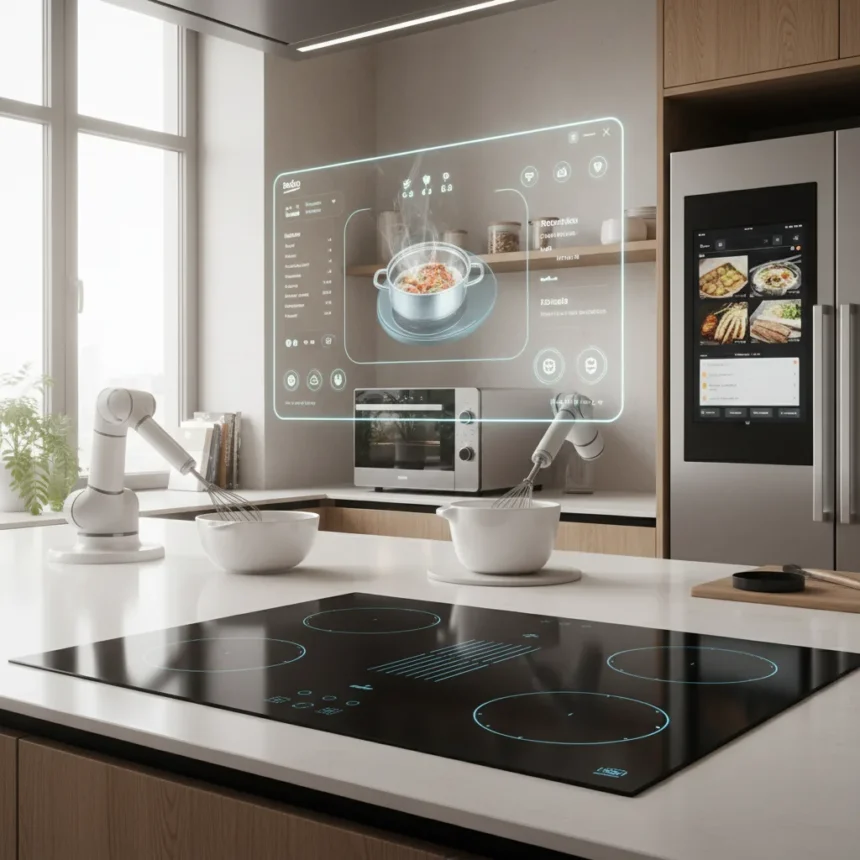
Beko smart kitchen technology is redefining what modern appliances can accomplish, moving far beyond basic functionality into genuinely transformative cooking experiences. At EuroCucina 2026, the Turkish appliance maker demonstrated innovations that challenge conventional thinking about kitchen design and daily meal preparation.
Key Takeaways
- Beko smart kitchen technology combines AI assistance with intuitive design for simplified cooking workflows.
- EuroCucina 2026 featured multiple Beko innovations addressing real kitchen pain points, not gimmicks.
- Smart multicookers with integrated touchscreens represent a shift toward unified cooking platforms rather than single-function tools.
- Appliances that handle multiple cooking methods simultaneously are changing how home cooks approach meal prep.
- Beko’s approach prioritizes user experience over unnecessary complexity in kitchen automation.
What Makes Beko Smart Kitchen Technology Different
Beko smart kitchen technology stands apart because it addresses genuine cooking frustrations rather than adding unnecessary digital bells and whistles. The brand’s philosophy at EuroCucina centered on appliances that simplify workflows, not complicate them. Unlike competitors flooding the market with disconnected smart features, Beko’s innovations integrate multiple cooking functions into cohesive systems that actually reduce the number of devices cluttering countertops.
The company’s AI-assisted appliances handle tasks that would traditionally require separate machines or significant manual intervention. This consolidation matters for real kitchens where space is limited and efficiency counts. Rather than forcing users to learn new interfaces for each tool, Beko smart kitchen technology maintains consistent design language across its product range, making the learning curve minimal for anyone adopting multiple devices.
Smart Multicookers With Integrated Displays Lead the Innovation
One of the standout examples of Beko smart kitchen technology is the smart multicooker featuring an integrated 10-inch touchscreen display. This isn’t merely a marketing flourish—the large screen genuinely improves usability by displaying recipes, cooking progress, and adjustments in real time without requiring a separate phone or tablet.


Traditional multicookers force users to toggle through small button interfaces or rely on smartphone apps that drain battery and create workflow interruptions. Beko’s integrated display approach eliminates these friction points. The touchscreen becomes the control center for multiple cooking methods, from pressure cooking to slow cooking to steaming, all within a single appliance. This represents a meaningful shift in how kitchen technology should integrate into actual cooking routines rather than complicating them.
Multi-Function Cooking Appliances Breaking New Ground
Beko smart kitchen technology extends beyond multicookers into genuinely innovative territory with appliances that handle seemingly contradictory tasks. The brand demonstrated technology that refrigerates and cooks food simultaneously—a capability that sounds impossible until you understand the engineering behind it. This type of dual-function innovation opens new possibilities for meal prep workflows that weren’t previously feasible in home kitchens.



These multi-function appliances appeal to cooks who want flexibility without sacrificing counter space. Rather than owning separate slow cookers, pressure cookers, rice cookers, and warming devices, Beko smart kitchen technology consolidates these capabilities. The practical benefit becomes clear when you consider how many home cooks struggle with limited kitchen real estate and storage.
Beko Smart Kitchen Technology vs. Traditional Appliance Approaches
The contrast between Beko smart kitchen technology and conventional appliance design is stark. Traditional brands still release single-function devices with basic controls, expecting consumers to build entire ecosystems of separate tools. Beko’s approach treats the kitchen as an integrated space where devices should communicate and share functionality rather than operate in isolation.
Competitors like Samsung focus heavily on app-based control and cloud connectivity, which adds complexity and dependency on smartphone integration. Beko’s philosophy prioritizes physical controls and integrated displays that work independently. This matters because kitchen appliances should remain functional even if your phone dies, your WiFi drops, or you simply prefer tactile interfaces. The brand’s willingness to include substantial physical touchscreens rather than relegating all control to apps demonstrates a different perspective on what users actually need.
Why Kitchen Appliance Design Needed This Rethinking
For years, kitchen appliance manufacturers treated smart features as afterthoughts—adding WiFi connectivity and app control without fundamentally reconsidering how people actually cook. Beko smart kitchen technology emerged from recognizing that cooking is inherently tactile and immediate. You need quick feedback, intuitive adjustments, and reliable operation without technological intermediaries.



The EuroCucina showcase revealed that Beko invested in understanding real cooking workflows rather than simply adding sensors and AI for headline value. Every innovation demonstrated addressed a specific pain point: too many devices, confusing interfaces, wasted counter space, or inflexible cooking methods. This user-centered approach explains why the technology feels genuinely useful rather than gimmicky.
How AI Integration Enhances Rather Than Complicates Cooking
Beko smart kitchen technology incorporates AI assistance that actually simplifies cooking rather than introducing new complexity. The AI components handle recipe suggestions, cooking time calculations, and temperature adjustments—tasks that home cooks currently manage through trial, error, or external research. By automating these decisions, Beko’s appliances reduce cognitive load during meal preparation.
The key distinction is that Beko’s AI works invisibly in the background, making suggestions and adjustments without requiring users to understand machine learning or algorithms. You don’t need to configure neural networks or troubleshoot AI decisions—you simply tell the appliance what you’re cooking, and it optimizes the process. This transparent approach to AI integration is how kitchen technology should work: enhancing capability without demanding technical literacy.
The Broader Implications for Kitchen Innovation
Beko smart kitchen technology signals a maturation in how appliance manufacturers approach innovation. Rather than pursuing novelty for its own sake, brands are finally asking what actually improves cooking experiences. The EuroCucina demonstrations showed that consolidation, integrated controls, and thoughtful AI assistance matter far more than adding another WiFi-enabled gadget to the countertop.
This shift could influence the entire industry. If Beko’s philosophy gains traction, we might see fewer single-function appliances and more versatile devices designed to reduce clutter while expanding capability. The smart multicooker with an integrated display might become the template for future kitchen innovation rather than a novelty item. Home cooks would benefit from simpler, more capable kitchens that require less space and maintenance.
Is Beko smart kitchen technology worth the investment?
Beko smart kitchen technology represents genuine innovation that justifies the investment for home cooks who value efficiency and space savings. If you currently own multiple single-function appliances or struggle with limited counter space, consolidating into Beko’s multi-function devices reduces clutter while expanding capability. The integrated touchscreens and AI assistance genuinely improve usability compared to traditional appliances.
How does Beko smart kitchen technology compare to Samsung or LG appliances?
Beko smart kitchen technology prioritizes integrated physical controls and standalone functionality, while Samsung and LG emphasize app-based connectivity and cloud integration. Beko’s approach works better if you prefer tactile interfaces and want appliances that function reliably without smartphone dependency. Samsung and LG offer more extensive smart home ecosystem integration if you’re already invested in their broader technology platforms.
What makes the integrated touchscreen display actually useful?
The 10-inch touchscreen on Beko’s smart multicooker eliminates the need for external devices during cooking. You can view recipes, monitor cooking progress, and make adjustments directly on the appliance without checking your phone. This improves workflow continuity and reduces the friction of toggling between devices while your hands are occupied with food preparation.
Beko smart kitchen technology represents a meaningful evolution in how appliances serve home cooks. By consolidating functions, simplifying interfaces, and integrating AI assistance thoughtfully, the brand demonstrates that innovation should serve real needs rather than chase technological novelty. The EuroCucina showcase proved that the future of kitchen appliances belongs to brands willing to rethink fundamental design assumptions and prioritize user experience above all else.
Where to Buy
Edited by the All Things Geek team.
Source: T3