Ikea smart home gadgets have just shattered the premium smart home market’s pricing model. In November 2025, Ikea launched 21 new Matter-compatible devices that cost 75 to 85 percent less than Philips Hue equivalents, making a complete smart home ecosystem accessible to budget-conscious buyers worldwide.
Key Takeaways
- 21 new Ikea smart home gadgets launched November 6, 2025, with Matter-over-Thread compatibility.
- Smart bulbs start at $5, remotes at $4, sensors at $9—most products under $10.
- Full starter kit with hub, bulbs, sensors, and remotes costs around $120–$150.
- Works with Amazon Alexa, Apple Home, Google Home, and Home Assistant without Ikea’s hub.
- Philips Hue 4-pack bulbs cost $60 vs. Ikea’s $5 per bulb—a direct 92% saving.
Ikea smart home gadgets finally deliver universal compatibility
The real story here is not just the price—it’s the open standard. Ikea smart home gadgets use Matter, the industry-wide protocol that lets devices talk to any smart home hub. Unlike previous Ikea smart products locked into proprietary ecosystems, these new gadgets pair directly with Amazon Alexa, Apple Home, Google Home, Home Assistant, and Homey without requiring Ikea’s Dirigera hub. This removes the biggest friction point in smart home adoption: ecosystem lock-in. As an Ikea executive told TechRadar, Matter “means customers don’t have to spend time and effort understanding standards and ecosystems, or making sure X product works with Y hub; the products will connect and just work”.
The Dirigera hub itself costs around €70 and supports up to 150 lights, but it is optional. Buyers can start with a single Matter controller they already own—an Echo device, HomePod mini, or Home Assistant hub—and expand from there. This flexibility is a significant shift for renters and anyone skeptical of vendor lock-in.
What Ikea smart home gadgets actually cost versus Philips Hue
The pricing gap is staggering. Ikea smart bulbs start at $5 each, while Philips Hue Essential A19 bulbs cost $60 for a 4-pack—that is $15 per bulb, or three times the price. A Philips Hue Essential A60 4-pack in Europe runs €67, compared to Ikea’s €10 per bulb. For motion sensors, Ikea’s offering costs $9 compared to premium brands charging $30 or more. A complete Ikea smart home starter setup—hub, three smart bulbs, motion sensor, and two remotes—runs approximately $120 to $150, while equivalent Philips Hue setups exceed $300.


The catch? Not all products are available immediately. Some launched in November 2025; others ship from April 2026. Availability also varies by region—the US gets products via ikea.com/us, while European pricing appears in euros and pounds. Check your local Ikea store or website for current stock, as supply is still ramping up.
Which Ikea smart home gadgets should you actually buy
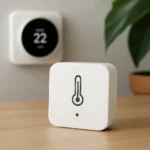
The lineup includes smart bulbs, motion sensors, door/window sensors, water leak detectors, humidity and temperature sensors, air quality monitors, and wireless remotes. Battery-powered sensors use AAA batteries and claim long operational life, eliminating the need to hardwire or charge frequently. The 3K color temperature bulbs pair well with the Dirigera hub for automations—turn on lights when motion is detected, or dim them at sunset.


If you already own an Amazon Echo, Apple HomePod mini, or Home Assistant setup, start with a single smart bulb ($5) and a motion sensor ($9) to test compatibility. If those work reliably, add the Dirigera hub (€70) to unlock automations and manage more devices simultaneously. Avoid the temptation to buy everything at once; smart homes work best when you add devices gradually and tune automations to your actual habits.
Ikea smart home gadgets versus premium brands: the real trade-off
Philips Hue remains the design and ecosystem leader—its app is slicker, its light quality slightly warmer, and its ecosystem more mature. But Hue customers pay a 75 to 85 percent premium for that polish. Ikea smart home gadgets offer 90 percent of the functionality at 15 percent of the cost. For most users, especially those building their first smart home or upgrading a rental apartment, Ikea’s products deliver far better value. You are not sacrificing core features like scheduling, scenes, or voice control—you are just skipping the luxury tax.
One reviewer on YouTube noted that Ikea’s new ecosystem “cost 85% LESS than premium brands” while delivering the same Matter compatibility and integration options. The trade-off is design subtlety and app polish, not core functionality.
Can you actually build a complete smart home for under $150
Yes. A complete Ikea smart home starter setup costs $120 to $150 and includes the Dirigera hub (~$70), three smart bulbs ($15), a motion sensor ($9), and two wireless remotes ($8). This setup covers the most common use cases: automated lighting in the living room and bedroom, motion-triggered lights in hallways, and remote control from anywhere in the home. Add a door/window sensor ($9) and a water leak detector ($9) if you want basic security and leak prevention, bringing the total to under $200.



Compare that to a Philips Hue starter kit, which runs $200 to $300 for equivalent functionality. Ikea’s approach means first-time buyers can experiment with smart home automation without the financial risk of a $500+ investment.
Does Ikea’s smart home hub require Ikea’s app
No. The Dirigera hub speaks Matter natively, so it works with any Matter-compatible app or controller. You can manage Ikea devices through Amazon Alexa, Apple Home, Google Home, Home Assistant, or Homey without ever opening Ikea’s own app. This is a fundamental shift from Ikea’s earlier smart home products, which required the Trådfri app and hub. If you prefer open-source automation, Home Assistant is a powerful option; if you want simplicity, Alexa or Apple Home are easier for non-technical users.
When will all 21 Ikea smart home gadgets be available
The first batch launched on November 6, 2025, in the US and Europe via Ikea stores and ikea.com. Additional products roll out through April 2026. Availability varies by region and product category—lighting and sensors are prioritized in early waves, while some specialized devices (air quality monitors, advanced remotes) arrive later. Check your local Ikea website for the current product list and expected ship dates, as inventory is still ramping up and regional differences are significant.
Ikea smart home gadgets represent a genuine shift in smart home accessibility. For the first time, budget buyers have a credible alternative to premium brands without sacrificing compatibility or core functionality. If you have been waiting for an affordable entry point into smart home automation, November 2025 is the moment to act.
Edited by the All Things Geek team.
Source: Tom's Guide