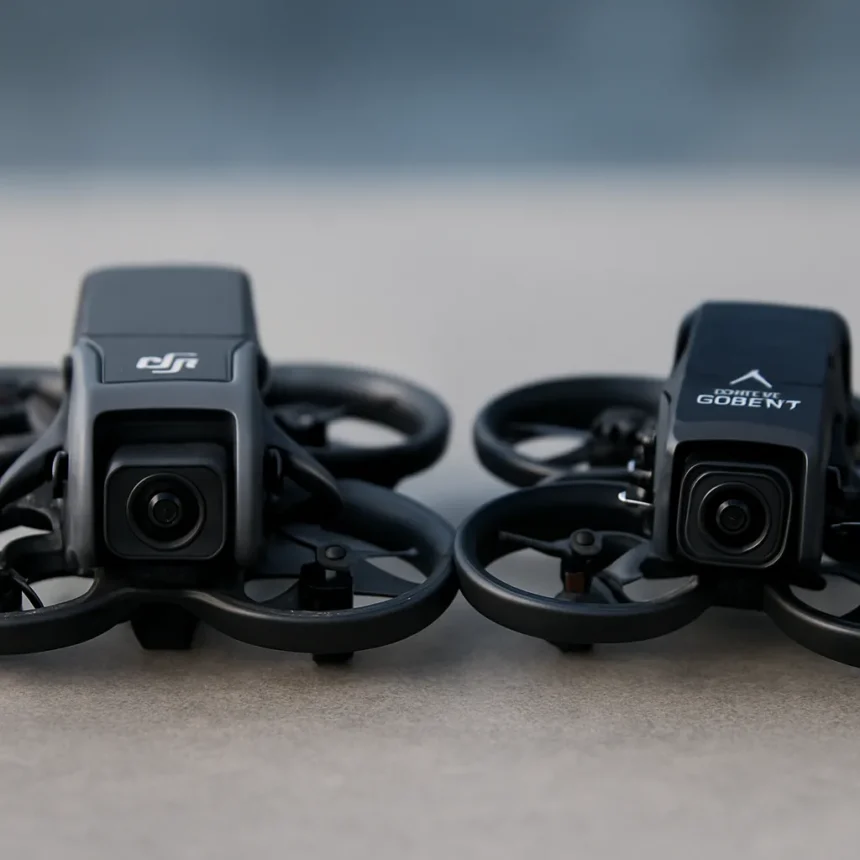
The 360 FPV drone category refers to a new class of consumer drones that combine immersive first-person-view flight with 360-degree camera capture, letting a single pilot shoot cinematic footage in every direction simultaneously. The DJI Avata 360 has entered this space directly alongside the Antigravity A1, and the competition between these two machines is shaping up to be the most interesting drone rivalry of 2025.
TL;DR: The DJI Avata 360 and Antigravity A1 are the two leading contenders in the emerging 360 FPV drone market. DJI’s entry brings its formidable ecosystem and brand trust to a category that Antigravity helped pioneer, while the A1 is reportedly seeing its biggest discount yet — making the buying decision genuinely complicated.
Why the 360 FPV drone market matters right now
The timing of the DJI Avata 360 launch is significant because it signals that the world’s largest drone manufacturer sees 360-degree FPV as a serious product category, not a niche experiment. When DJI enters a segment, it typically reshapes pricing, availability, and consumer expectations across the board — and that pressure is already visible in the Antigravity A1’s new discounting.
The Antigravity A1 was among the first purpose-built 360 FPV drones aimed at mainstream pilots, offering a compelling combination of immersive flight and omnidirectional capture. Its discount arriving at the same moment as the DJI Avata 360 launch is not a coincidence. This is competitive pricing in real time, and buyers who have been sitting on the fence now have a genuine decision to make.

What makes this race compelling is that both products are targeting the same pilot: someone who wants the thrill of FPV flight without the steep learning curve of traditional racing drones, paired with footage that captures the full environment rather than a single forward-facing frame.
DJI Avata 360 vs Antigravity A1: how the approaches differ
The DJI Avata 360 and the Antigravity A1 take meaningfully different approaches to intuitive flight control, and that difference matters more than spec sheets suggest. DJI’s system is described as a point-and-fly approach, while Antigravity’s A1 uses what it calls look-and-fly — a distinction that reflects fundamentally different philosophies about how a pilot should interact with an autonomous drone.



Point-and-fly, as DJI implements it, means the pilot directs the drone toward a destination or subject and the aircraft handles the path. Look-and-fly, by contrast, ties the drone’s movement to where the pilot is looking, typically via a headset or goggles. Neither approach is objectively superior — they suit different shooting styles and different levels of pilot experience.
DJI’s ecosystem advantage is real and shouldn’t be dismissed. Its goggles, controllers, and software infrastructure are mature, widely supported, and backed by a global service network. The Antigravity A1 is a newer entrant without that depth of ecosystem, which matters for pilots who want accessories, firmware updates, and support over a multi-year ownership period.
Should you buy the Antigravity A1 at its biggest discount?
The Antigravity A1 at its biggest discount yet is a compelling proposition for pilots who want to enter the 360 FPV drone space without paying full flagship prices. The discount timing is clearly a response to DJI’s arrival, which means buyers benefit directly from the competitive pressure — but it also raises a question about long-term support for a product that is now competing against the industry’s dominant player.
If you are a content creator who prioritises 360-degree capture and wants a capable machine at a reduced entry price, the A1’s discount window is worth taking seriously. The drone’s look-and-fly system is genuinely differentiated, and for pilots who find it more intuitive than DJI’s approach, the ecosystem gap matters less.



That said, buying into a platform matters in drones just as it does in smartphones. DJI’s track record of long-term firmware support, accessory availability, and resale value is difficult to match. The Avata 360 will almost certainly command stronger resale value and receive more consistent software updates over its lifetime.
Is the DJI Avata 360 worth it over the Antigravity A1?
The DJI Avata 360 is worth the premium for pilots who are already embedded in the DJI ecosystem or who prioritise long-term platform stability. For those coming to 360 FPV drones fresh, DJI’s name recognition and support infrastructure reduce the risk of a first expensive drone purchase going wrong.
The Antigravity A1, particularly at its current discounted price, remains the right call for pilots who specifically prefer the look-and-fly interaction model or who want to own a piece of the category before DJI’s marketing machine fully takes over. There is a real argument that the A1’s approach to flight control is more immersive for experienced FPV pilots who want to feel connected to the aircraft’s movement.
The honest answer is that the 360 FPV drone market is still young enough that neither product is a settled, obvious choice. Both have genuine strengths and both carry real trade-offs. The DJI Avata 360’s launch has made this a two-horse race worth watching closely.
What is a 360 FPV drone and how does it work?
A 360 FPV drone combines first-person-view flight with a 360-degree camera system, allowing the pilot to experience immersive flight while capturing footage in all directions simultaneously. Unlike traditional FPV drones with a single forward-facing camera, these aircraft record the full environment around them, which is then processed into omnidirectional video that can be reframed in post-production.
How does the Antigravity A1 compare to the DJI Avata 360 for beginners?
Both drones are designed to be more accessible than traditional FPV racing drones, but they use different control philosophies. DJI’s point-and-fly system may feel more familiar to pilots who have used other DJI products, while the Antigravity A1’s look-and-fly approach can feel more intuitive for pilots who want direct, gaze-linked control. Neither is universally easier — it depends on the individual pilot’s instincts.
Is now a good time to buy a 360 FPV drone?
Yes, if you have been considering either product. The DJI Avata 360 launch has triggered a price drop on the Antigravity A1, creating a rare moment where the market’s two leading options are both competitively priced. Early adopters in emerging tech categories rarely see this kind of competitive pricing pressure this quickly.
The 360 FPV drone category is at an inflection point. DJI’s entry validates the market and raises the stakes for everyone in it. Whether you back the challenger with its discounted pricing and differentiated flight philosophy, or the incumbent with its ecosystem depth and long-term support, the worst move is waiting indefinitely. Both machines are capable, both are genuinely new kinds of flying cameras, and the competition between them will only make the category better.
Where to Buy
Edited by the All Things Geek team.
Source: T3