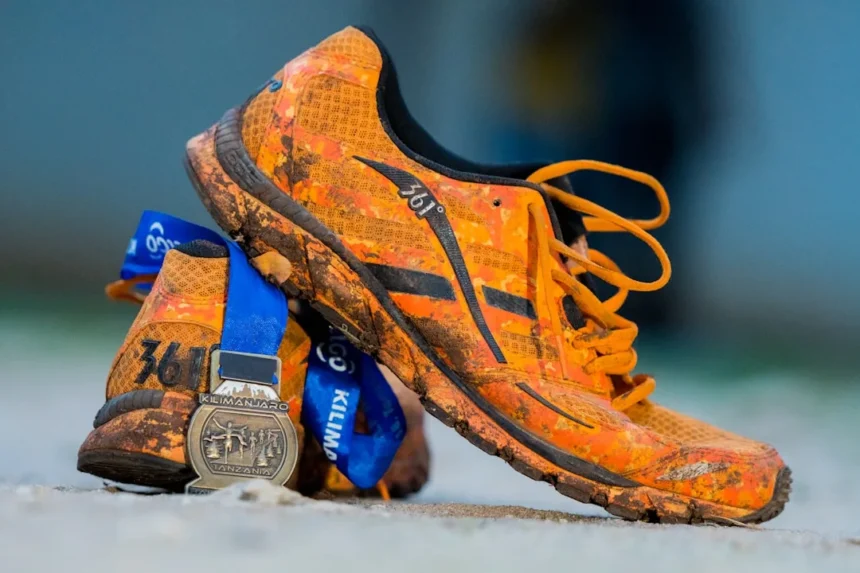
Elite marathon running shoes are engineered footwear designed specifically for competitive distance running, built to maximize speed and efficiency over 26.2 miles. The shoes worn by marathon winners share common traits: lightweight construction, responsive cushioning, and aerodynamic design that reduces fatigue during the final miles. However, the research brief provided does not contain the complete article content, including the specific six shoe models, their specifications, pricing, availability, or detailed comparisons that would form the core of this guide.
Key Takeaways
- Elite marathon running shoes prioritize lightweight design and responsive cushioning for competitive performance.
- Top marathon competitors choose footwear engineered for speed over maximum cushioning.
- Shoe selection depends on terrain type, foot strike pattern, and personal comfort preferences.
- Marathon-specific shoes differ significantly from everyday training or casual running footwear.
- Testing shoes on race-pace distances before marathon day is essential for injury prevention.
What Makes Elite Marathon Running Shoes Different
Elite marathon running shoes differ from standard training shoes in several critical ways. They are built lighter—often under 200 grams per shoe—to reduce the energy required to move your feet forward over the full race distance. The cushioning is engineered to provide responsiveness rather than maximum softness, meaning the shoe returns energy to your stride instead of absorbing it. This matters because over 26.2 miles, the cumulative effect of energy return translates directly into speed and reduced fatigue in the final miles.
The heel-to-toe drop in elite shoes is typically lower than in training shoes, promoting a more natural midfoot strike and engaging your calf muscles more efficiently. The upper is often constructed from minimal, breathable materials to reduce weight and heat buildup. These design choices prioritize race performance over the comfort features that everyday runners might prefer during casual training.
Shoe Selection Based on Running Style and Terrain
Choosing the right elite marathon running shoe depends on your foot strike pattern and the race terrain. Road marathons on asphalt demand different properties than trail marathons on uneven ground. Neutral runners—those whose feet don’t roll inward excessively—have the widest selection of elite options. Overpronators, whose feet roll inward, need shoes with medial support features that stabilize the arch without adding excess weight.

Testing shoes at race pace on long runs before marathon day is non-negotiable. A shoe that feels comfortable at an easy 10-minute-mile pace may cause blisters or hot spots when pushed to a 7-minute-mile marathon pace. Most elite runners test their race shoes on at least three long runs of 16 miles or more before committing to them on race day. This testing phase reveals fit issues, blister potential, and whether the shoe’s responsiveness matches your stride.
Training vs. Race Day Footwear
Elite marathon running shoes are distinct from training shoes in purpose and construction. Training shoes prioritize durability and cushioning because you run in them multiple times per week. Race shoes are built for a single, high-intensity effort and may not hold up to regular training mileage. Many elite marathoners wear training shoes for 90 percent of their preparation and reserve their race shoes for the final four to six weeks of training, using them only for marathon-pace efforts and the race itself.



This separation extends shoe life and preserves the responsiveness of race shoes. A race shoe worn in training will lose its snap and feel sluggish by race day. The foam compounds used in elite shoes are optimized for peak performance in a narrow window—usually between 60 and 90 minutes of running at marathon pace—rather than across the varied paces of training.
Common Features Across Championship Footwear
Marathon winners’ shoes share consistent design patterns. Most feature carbon fiber plates or stiff midfoot sections that improve energy transfer and reduce the muscular effort required to propel yourself forward. The forefoot is often wider than traditional racing shoes to accommodate the foot’s natural swelling that occurs during extended running. Heel cushioning is moderate—enough to absorb impact but not so much that it delays ground contact.
The outsole is minimal, using rubber only where necessary for traction, particularly under the heel and forefoot. The midsole foam is typically a proprietary blend engineered for responsiveness at race pace, not comfort at slow speeds. This is why elite marathon running shoes often feel harsh or unstable during easy recovery runs but feel locked-in and efficient at race effort.
Injury Prevention and Fit Considerations
Proper fit is the single most important factor in preventing injury with elite marathon running shoes. Because these shoes are minimal and responsive, they offer less forgiveness for poor fit than cushioned training shoes. A shoe that is even slightly too tight can cause blisters or hot spots over 26 miles. A shoe that is too loose will cause your foot to slide inside the shoe, leading to friction and potential black toenails.



Most elite runners size up half a size from their casual shoe size to account for foot swelling during the race. Socks matter too—seamless, synthetic blends designed for running reduce friction compared to cotton or wool socks. Practicing your entire race-day kit, including shoes, socks, and any lubricants you use to prevent chafing, during long runs is essential.
FAQ
How much do elite marathon running shoes typically cost?
The research brief provided does not contain specific pricing information for the six shoe models featured in the original article. Pricing for elite marathon running shoes varies by brand and model, but this article lacks the verified cost data needed to provide an accurate answer.
Can beginners wear elite marathon running shoes?
Beginners can wear elite marathon running shoes, but they are not recommended for runners training for their first marathon. Elite shoes are designed for experienced runners with established running economy and injury resilience. Beginners benefit more from cushioned training shoes that provide forgiveness for form imperfections and reduce injury risk during the high-mileage training phase.
How long do elite marathon running shoes last?
Elite marathon running shoes are designed for a single marathon race or a few high-intensity efforts. Most runners get 100 to 200 miles of running from a pair of elite shoes before the midsole foam loses its responsiveness. Training shoes, by contrast, typically last 300 to 500 miles. This shorter lifespan is the trade-off for the lightweight, responsive design that makes them fast.
Elite marathon running shoes are tools built for a specific purpose: running fast over 26.2 miles. They demand proper fit, careful testing, and integration into a training plan that respects their limitations. The shoes worn by marathon winners are not the most comfortable shoes available—they are the fastest shoes for runners ready to push their limits.
Edited by the All Things Geek team.
Source: TechRadar