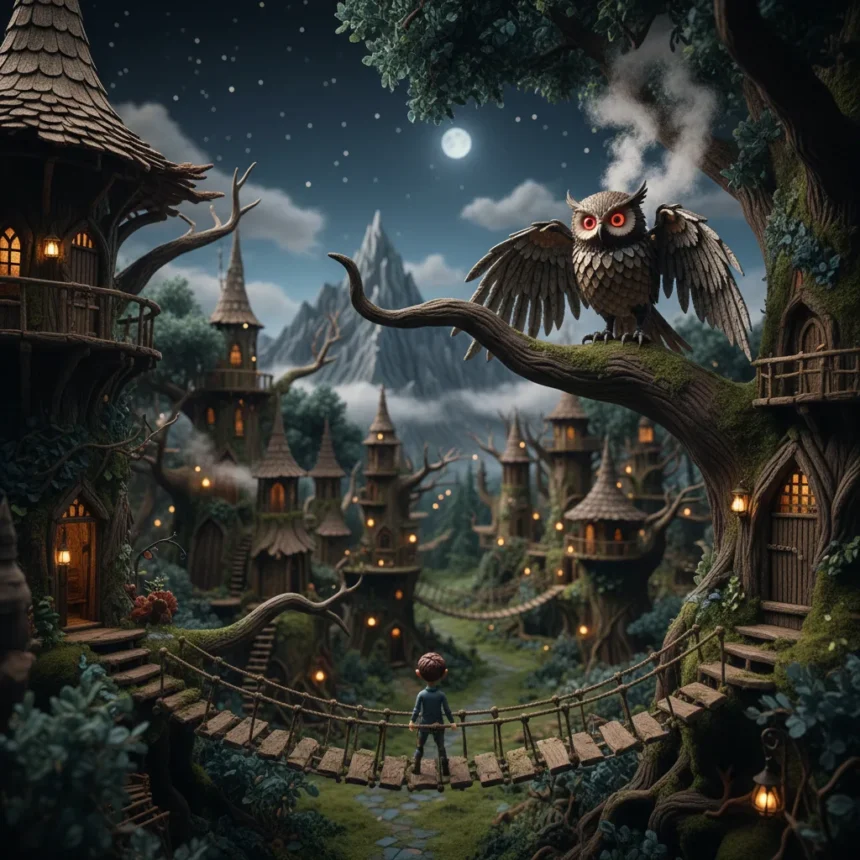
Stop-motion animation has long occupied a niche in cinema—celebrated for artistry but constrained by production timelines and visual scope. Laika’s Wildwood challenges that assumption entirely, delivering what may be the most ambitious stop-motion animation project ever attempted at studio scale.
Key Takeaways
- Laika’s Wildwood represents a leap in technical ambition for stop-motion animation
- The film demonstrates that the medium can achieve cinematic scale comparable to live-action and CGI productions
- Stop-motion animation continues to evolve beyond its traditional artistic niche
- Wildwood’s visual complexity sets expectations higher for future animated projects
- The project signals industry confidence in stop-motion as a viable format for major studio releases
Why Wildwood Redefines Stop-Motion Animation
Stop-motion animation has always required meticulous craftsmanship—building physical sets, sculpting characters, photographing thousands of frames. That labor-intensive process historically limited projects to smaller budgets and longer production schedules. Wildwood shatters those constraints. The film’s scope, visual detail, and apparent production scale suggest that stop-motion animation no longer needs to apologize for its methods or settle for smaller ambitions.
What makes this significant is not just technical achievement but narrative ambition. Stop-motion animation has thrived in character-driven stories and intimate fantasies—think Coraline, ParaNorman, or Isle of Dogs. Wildwood appears to tackle something broader: an epic story that demands expansive environments, complex action sequences, and the kind of visual storytelling typically reserved for live-action or computer-generated films. The medium is proving it can handle that scale without losing the handcrafted texture that makes stop-motion distinctive.
The Visual Complexity That Separates Wildwood
The most striking aspect of Wildwood is its apparent visual sophistication. Stop-motion animation traditionally excels at creating distinctive, tactile worlds—you can sense the materials, the construction, the artist’s hand. Wildwood maintains that quality while adding layers of complexity: dynamic lighting, atmospheric effects, intricate background detail, and environments that feel lived-in rather than merely constructed.

This represents a genuine technical challenge. Adding visual sophistication to stop-motion does not simply mean rendering better—it means building more detailed sets, creating more nuanced puppets, managing lighting in ways that enhance rather than expose the mechanics of the medium. Wildwood appears to have solved these problems at a scale previous stop-motion projects rarely attempted.
Stop-Motion Animation’s Place in Modern Cinema
For years, stop-motion animation occupied a specific market position: beloved by critics and enthusiasts, but often positioned as an alternative to mainstream animated films rather than a competitor. CGI animation from studios like Pixar and DreamWorks set the visual standard for family and general audiences. Stop-motion remained the medium for artists and auteurs—respected but niche.



Wildwood challenges that hierarchy. If the film achieves its apparent ambitions, it demonstrates that stop-motion animation can deliver the visual spectacle, narrative scope, and production values audiences expect from major studio releases. That shift matters beyond this single project. It suggests that filmmakers and studios are willing to invest in stop-motion not as a novelty or artistic statement, but as a legitimate tool for epic storytelling.
What Wildwood Means for Animation’s Future
The success or failure of Wildwood will likely influence how studios approach stop-motion animation in the coming years. If audiences embrace an epic stop-motion film with the same enthusiasm they show CGI blockbusters, expect more ambitious projects in the medium. If Wildwood underperforms, it may reinforce the perception that stop-motion works best in smaller, character-focused stories.
Either way, the film’s existence signals a shift in how the industry thinks about animation. Stop-motion is no longer just a stylistic choice—it is becoming a viable format for large-scale, ambitious storytelling. That is a meaningful evolution for a medium that has spent decades proving its artistic merit while struggling to command the same resources and audience attention as CGI animation.
Is Wildwood the most ambitious stop-motion film ever made?
Based on available information, Wildwood appears to exceed previous stop-motion projects in scope and visual complexity. While other acclaimed films like Fantastic Mr. Fox and Kubo and the Two Strings pushed the medium’s boundaries, Wildwood’s epic scale and apparent production budget suggest it represents a new threshold for what stop-motion animation can achieve at the studio level.



Why does stop-motion animation matter if CGI can do the same things?
Stop-motion animation retains a tactile, handcrafted quality that CGI cannot replicate. Audiences perceive stop-motion as having been physically constructed, which creates a different emotional and aesthetic experience. The medium also offers directors a distinct visual language—one that feels more intimate and deliberate than computer-generated imagery. Wildwood demonstrates that these qualities need not be sacrificed for visual ambition.
How long does a stop-motion film like Wildwood take to produce?
Stop-motion animation requires photographing thousands of individual frames, with each frame representing a tiny adjustment to physical puppets and sets. A feature-length film typically demands several years of production. While specific timelines for Wildwood are not publicly detailed, the film’s apparent visual complexity and scope suggest a production schedule measured in years rather than months—a significant investment that underscores the studio’s confidence in the project.
Wildwood represents a inflection point for stop-motion animation. It proves the medium can deliver cinematic ambition without compromising the artistry that makes it distinctive. For filmmakers, studios, and audiences who have watched stop-motion remain confined to niche success, Wildwood offers something rare: a major-studio bet on the medium’s potential to tell epic stories on its own terms.
Edited by the All Things Geek team.
Source: Creativebloq