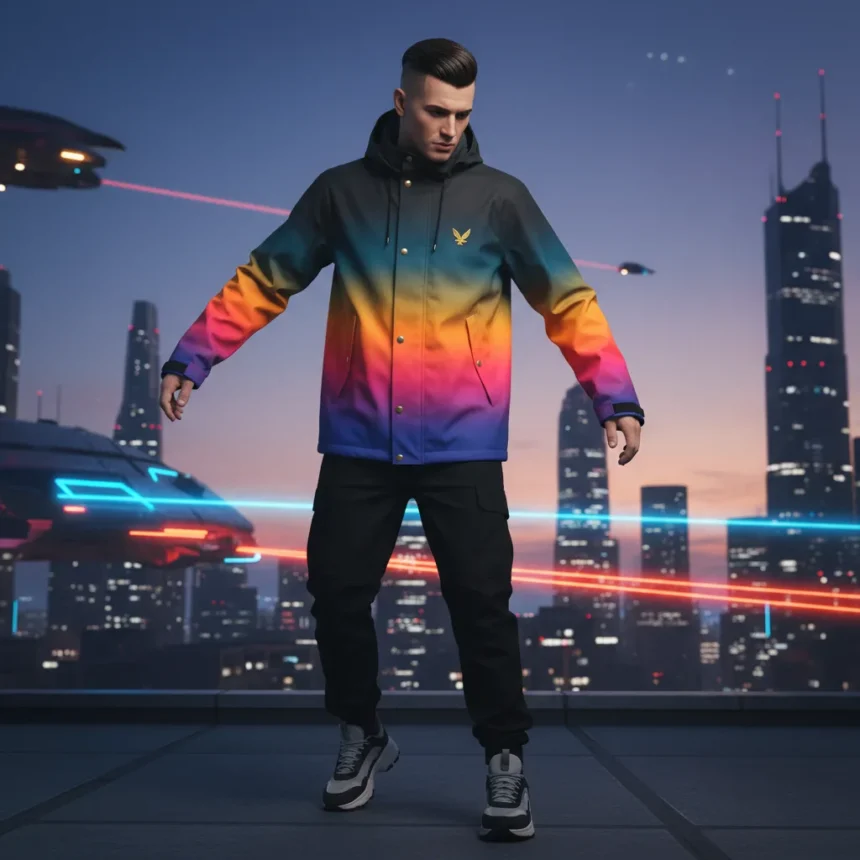
The heat-reactive shell jacket from Scottish heritage brand Lyle & Scott is proof that some trends refuse to stay buried. This color-changing piece taps directly into the Hypercolor craze that dominated the 1990s, when temperature-sensitive fabrics turned everyday clothing into wearable mood rings. Lyle & Scott, a brand with deep roots in British terrace culture, is banking on nostalgia and genuine innovation to make this revival stick.
Key Takeaways
- Lyle & Scott heat-reactive shell jacket uses temperature-sensitive fabric that shifts color in real time.
- Design references the iconic 90s Hypercolor trend, blending heritage with contemporary fashion.
- Scottish brand leverages terrace culture history to position the jacket as both nostalgic and credible.
- Heat-reactive technology represents a functional update to purely aesthetic color-changing clothing.
- Revival taps into broader cyclical fashion trend of 90s and 2000s nostalgia in contemporary streetwear.
Why Heat-Reactive Shell Jackets Matter Now
Fashion cycles are real, and the 90s are firmly back in rotation. What makes the heat-reactive shell jacket different from simple nostalgia bait is that the technology actually works—the fabric genuinely responds to temperature changes, creating a dynamic visual effect that static clothing cannot match. This is not just slapping a retro logo on a modern cut; it is integrating functional innovation into a heritage design language.
Lyle & Scott’s decision to revive this specific trend is calculated. The brand has deep credibility in British and European streetwear communities, where terrace culture and football fashion remain culturally significant. A heat-reactive shell jacket sits at the intersection of that heritage and contemporary tech-forward fashion, making it feel earned rather than opportunistic.
How Heat-Reactive Fabric Actually Works
The heat-reactive shell jacket uses temperature-sensitive dyes embedded in the fabric. When your body heat warms the material, the dyes shift tone in real time. This is fundamentally different from Hypercolor pieces from the 1990s, which were often criticized for unpredictable color shifts and durability issues. Modern thermochromic technology is more stable, more responsive, and more controllable—the jacket should maintain its color-changing properties through repeated wear and washing, a significant improvement over the originals.

The shell construction matters too. A proper shell jacket is designed for weather protection, meaning Lyle & Scott is not sacrificing functionality for gimmick. The heat-reactive element sits on top of a practical garment, not replacing its core purpose. This hybrid approach—merging technical outerwear with color-changing novelty—is what separates a genuine product from a marketing stunt.
Lyle & Scott’s Terrace Heritage and Modern Positioning
Lyle & Scott is not a brand trying to seem credible in streetwear. The company has genuine historical ties to British football culture and terrace fashion, where logoswear and sportswear became symbols of identity and belonging. By introducing a heat-reactive shell jacket under this brand name, Lyle & Scott is leveraging that authenticity rather than borrowing it. The product feels like a natural evolution of the brand’s DNA, not a desperate grab at trend relevance.



This positioning also matters for global audiences. While Hypercolor was a worldwide phenomenon in the 90s, the cultural weight of the reference varies by region. In the UK and Europe, where Lyle & Scott has the deepest roots, the nostalgia hit harder and the brand connection is stronger. Internationally, the product succeeds or fails on whether the heat-reactive technology itself feels compelling enough to justify the purchase, independent of terrace culture context.
Comparing Heat-Reactive to Traditional Color-Changing Fashion
The original Hypercolor pieces from the 1990s were novelty items first and garments second. They looked striking but often faded, performed inconsistently, and did not survive washing well. Modern heat-reactive technology is more reliable, but the core appeal remains the same: a visual transformation that responds to your body and environment. Unlike static color-blocking or gradient dyes, a heat-reactive shell jacket creates an interactive element that changes throughout the day as your body temperature fluctuates. That interactivity is what separates it from conventional outerwear, even premium heritage brands offering standard shell jackets.
Will the Heat-Reactive Shell Jacket Stick Around?
The real test is whether this is a one-season novelty or the beginning of a broader trend. Hypercolor’s original run was brief—intense popularity followed by rapid decline as the novelty wore off and quality issues became apparent. Lyle & Scott is betting that improved technology, better brand positioning, and the cyclical return of 90s aesthetics will create more staying power. The jacket needs to perform well in real-world conditions, hold its color-changing properties through repeated washing, and feel like a genuine piece of clothing rather than a gimmick. If it does, expect other heritage brands to follow. If it fades, it becomes another nostalgia product that burned bright and disappeared.
Is the heat-reactive shell jacket just a gimmick?
Not entirely. While the color-changing element is the headline feature, the jacket is built as a functional shell garment first. The heat-reactive technology is integrated into a practical piece of outerwear designed for weather protection. Whether it feels gimmicky depends on execution—if the color shifts are subtle and natural, it enhances the design; if they are erratic or fade quickly, it undermines the product’s credibility.



How does the Lyle & Scott heat-reactive shell jacket compare to original Hypercolor pieces?
Modern thermochromic dyes are significantly more stable and responsive than 1990s color-changing fabrics. Original Hypercolor pieces were prone to fading and inconsistent color shifts. The Lyle & Scott heat-reactive shell jacket uses contemporary technology that should maintain its properties through regular washing and wear. Additionally, Lyle & Scott is positioning this as a premium heritage product, not a novelty item, which changes the entire value proposition.
Will other brands release heat-reactive jackets?
If Lyle & Scott’s heat-reactive shell jacket gains traction, expect heritage and contemporary brands to explore similar technology. The 90s nostalgia cycle is strong enough to sustain multiple entries in the color-changing space, and the technology is accessible enough that other manufacturers can produce their own versions. The question is whether Lyle & Scott’s brand credibility and first-mover advantage in this specific category will create lasting differentiation or simply open the door for competitors.
The heat-reactive shell jacket represents a genuine attempt to revive a cultural moment with improved technology and stronger brand positioning. Whether it becomes a defining piece of 2020s streetwear or a footnote in the endless cycle of nostalgia depends entirely on execution. Lyle & Scott has the heritage and credibility to make it work—now the product itself has to deliver.
Edited by the All Things Geek team.
Source: T3