




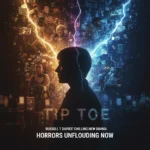


Russell T Davies’ Tip Toe is a new Channel 4 drama positioned as a major cultural statement from the acclaimed writer, blending the emotional intensity of Queer as Folk with the contemporary urgency of Years and Years. The series has been framed as essential viewing, comparable in cultural weight to Davies’ earlier triumph It’s A Sin. What sets Tip Toe apart is Davies’ own warning: the shocking ending is not speculative fiction but a reflection of horrors unfolding in real time.
Key Takeaways
- Russell T Davies Tip Toe is a provocative new Channel 4 drama written by the creator of Queer as Folk and Years and Years
- The series blends the emotional tone of Queer as Folk with the contemporary urgency of Years and Years
- Davies warns the drama’s shocking ending reflects real-world events happening now, not distant hypotheticals
- The show is being positioned as a major cultural statement comparable to It’s A Sin
- Channel 4 is the broadcaster for this new drama series
What Makes Russell T Davies Tip Toe Different
Russell T Davies Tip Toe arrives at a moment when British television drama is hungry for stories that matter. Davies has spent his career writing narratives that refuse to look away from difficult truths—whether the AIDS crisis in Queer as Folk or near-future dystopia in Years and Years. Tip Toe follows that tradition by grounding its drama in the present moment. The series does not position its horrors as speculative or distant; instead, Davies explicitly frames them as contemporary, forcing viewers to confront what is happening around them right now rather than in some imagined future or safely distant past.
The comparison to both Queer as Folk and Years and Years is instructive. Queer as Folk brought raw emotional authenticity and community specificity to British television, while Years and Years deployed speculative near-future storytelling to interrogate political and social anxiety. Russell T Davies Tip Toe appears to merge these approaches—the emotional depth and character intimacy of one with the urgent relevance of the other. This hybrid approach is what positions the drama as potentially significant; it is not asking viewers to escape into a fictional world or retreat into nostalgia, but to sit with discomfort about the present.
The Warning About Russell T Davies Tip Toe’s Ending
Davies’ warning that the shocking ending is happening right now is the key editorial hook. This statement reframes the entire viewing experience. Viewers are not being invited to watch a thrilling narrative arc that concludes neatly; they are being invited to witness a dramatization of ongoing reality. That distinction matters enormously. It transforms the drama from entertainment into something closer to testimony or urgent commentary. The ending does not resolve—it mirrors the unresolved crisis viewers are living through.
This approach carries risk. Audiences seeking escapism may find the experience punishing rather than cathartic. But for viewers seeking drama that engages with the world as it actually exists, rather than as we might wish it to be, this positioning is exactly what makes Russell T Davies Tip Toe worth watching. The refusal to offer a neat resolution or comfortable distance between fiction and reality is a statement of artistic intent: this story is not a story. It is a warning.
Where Russell T Davies Tip Toe Sits in Davies’ Career
Russell T Davies Tip Toe arrives after It’s A Sin, which became a cultural phenomenon and demonstrated Davies’ ability to command attention and shape national conversation. It’s A Sin was period drama with urgent contemporary relevance; Tip Toe appears to be contemporary drama with urgent contemporary relevance. The progression suggests Davies is moving closer to the present moment, reducing the distance between the events depicted and the moment of viewing. This is a risky creative choice—period drama offers built-in distance and perspective—but it is also a choice that reflects Davies’ conviction that the stories he wants to tell cannot wait for historical perspective to make them safe.



The positioning of Tip Toe as a major cultural statement comparable to It’s A Sin is significant. Channel 4 is betting on this drama to land with similar impact. That bet rests on Davies’ track record and on the series’ refusal to look away from what is happening now. Whether the drama delivers on that promise depends on execution, but the ambition is clear: Russell T Davies Tip Toe is not designed to be pleasant or comfortable. It is designed to matter.
Is Russell T Davies Tip Toe worth watching?
If you responded to Queer as Folk’s emotional authenticity or Years and Years’ urgent contemporary storytelling, Russell T Davies Tip Toe is almost certainly worth your time. Davies has earned the right to ask audiences for discomfort, and his warning that the ending reflects real-world events happening now suggests the drama is not interested in easy answers or comfortable distance. This is drama for viewers who want television to engage with the world as it exists, not as we might prefer it to be.
What is the tone of Russell T Davies Tip Toe compared to It’s A Sin?
While It’s A Sin offered period distance and retrospective perspective on the AIDS crisis, Russell T Davies Tip Toe appears to operate in real time, with Davies warning that its horrors are unfolding now. This suggests a more immediate, less historically mediated approach. Both are emotionally intense and socially engaged, but Tip Toe removes the safety of historical framing, forcing viewers to confront contemporary reality rather than safely distant past events.
How does Russell T Davies Tip Toe blend Queer as Folk and Years and Years?
The series combines the character intimacy and emotional authenticity of Queer as Folk with the contemporary urgency and near-present-moment focus of Years and Years. This hybrid approach grounds the drama in real people and real relationships while maintaining urgent relevance to what is happening in the world right now, rather than distancing the narrative through either historical period setting or speculative future scenarios.



Russell T Davies Tip Toe represents a significant moment in British drama—a major writer refusing to look away from present-tense crisis, refusing the comfort of historical distance or speculative distance, and instead demanding that audiences sit with discomfort about the world as it actually exists. Whether you watch for Davies’ track record, for the promise of emotional depth, or for the urgent relevance he promises, the drama is designed to demand attention. That is exactly the point.
Edited by the All Things Geek team.
Source: TechRadar




