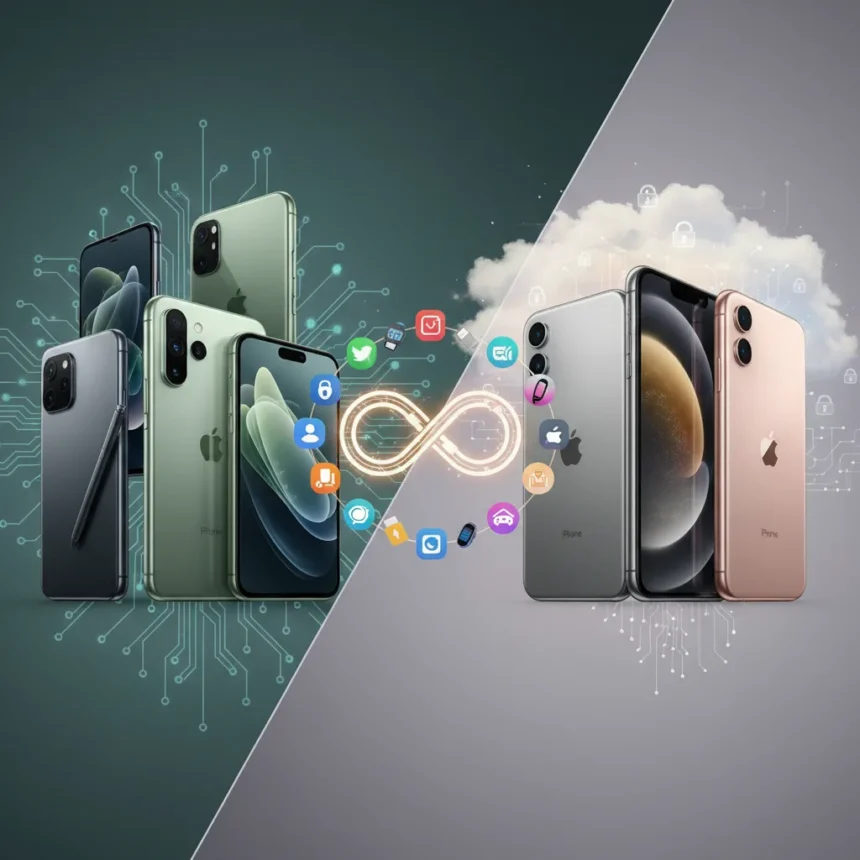
The Android vs iPhone debate has fundamentally changed over the past decade, and not in the way most people expected. Ten years ago, the argument centered on simplicity versus customization, iPhone’s walled garden versus Android’s open ecosystem. Today? Those distinctions have blurred almost beyond recognition. The real reasons people choose one platform over the other would baffle someone who stopped paying attention in 2015.
Key Takeaways
- Hardware differences between flagship iPhones and Android phones are now minimal—both offer excellent cameras, screens, and performance.
- Android customization and design variety dramatically exceed iPhone’s single-OS approach.
- iPhone’s ecosystem integration and consistent updates remain unmatched; Android fragmentation persists across non-Google devices.
- Android leads in battery life, AI features, and sound quality; iPhone perceived as more secure despite both platforms improving.
- Major OS upgrades arriving 2025—Android 16 already in beta, iOS 19 (or iOS 26) preview coming June 2025.
The Hardware Argument Is Dead
When the Android vs iPhone debate raged a decade ago, hardware was a real differentiator. iPhones had superior processors, Android phones lagged in camera quality or display technology. That era has ended. Today, the best iPhones and best Android phones are functionally equivalent in raw capability. Both deliver excellent cameras, vibrant screens, and processors powerful enough for any real-world task. The gap that once existed has closed so completely that spec sheets barely matter anymore.
What has changed is choice. Android flagships come in wildly different sizes, materials, and price points. Samsung’s S25 Ultra differs fundamentally from a Google Pixel or Motorola device—not just in software, but in physical design, build quality, and value proposition. iPhone offers five models per year, all running the same OS, with minimal variation in design language. For someone who values hardware diversity, Android’s variety is unmatched. For someone who wants consistency and predictability, iPhone’s sameness is a feature, not a bug.
Customization Now Defines the Split
Android’s customization advantage has only widened. Where iOS offers a single home screen layout and limited widget functionality, Android lets users fundamentally reshape their entire experience. This isn’t a niche preference—it’s become the primary reason people choose Android over iPhone. The flexibility to customize the OS to personal preference, rather than accepting Apple’s vision of how a phone should work, resonates with millions.


iPhone’s simplicity, once a selling point, now feels like a limitation to power users. The OS is generic and easy to use, but it refuses to bend to individual taste. Some users love this. Others find it infuriating. The Android vs iPhone debate increasingly hinges on this philosophical divide: do you want a tool that works your way, or a tool that works Apple’s way?
The Unexpected Winner: Battery Life and AI
Here’s where the modern Android vs iPhone debate gets strange. Android phones, particularly Motorola devices, deliver battery life that consistently impresses. Meanwhile, Apple Intelligence—Apple’s much-hyped AI push—lags noticeably behind what Google and Samsung have already deployed on Android. This inverts the old narrative where iPhone led in innovation and Android played catch-up.


Google’s Pixel cameras and Samsung’s computational photography also outperform iPhone’s offering. Sound quality, too, favors Android—iPhones still lack a headphone jack and rely on Bluetooth audio, while Android flagships support wired audio directly, yielding superior sound fidelity. If you absolutely need an iPhone and want the best sound quality, you’re looking at an additional $80 investment in external headphones. Android users don’t face that trade-off.
Why iPhone Still Wins for Some
Despite Android’s gains, iPhone retains genuine advantages that keep millions locked in. Ecosystem integration is real: an iPhone works smoothly with a Mac, iPad, Apple Watch, and AirPods in ways Android can’t match. There’s no fragmentation—every iPhone runs the same iOS version on the same release schedule, unlike Android’s chaotic update rollout where non-Google devices wait months or never receive the latest software. Android 16 released in June 2025, but by late 2025, most Android phones hadn’t received it.
Security and privacy perception also favor iPhone, though Android has improved dramatically. iPhone’s smaller model lineup—five phones per year versus hundreds of Android variants—makes it easier for Apple to maintain consistent security patches and privacy protections. The iPhone 13 Pro offers a consistent experience that Android phones still struggle to match across their fragmented ecosystem.
The Real Divide: Ecosystem Lock-In Versus Freedom
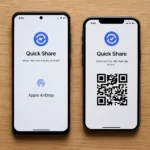
Strip away the marketing, and the Android vs iPhone debate boils down to one question: do you value freedom or consistency? Android handily beats iPhone because it provides flexibility, functionality, and freedom of choice. You can customize everything, choose from dozens of manufacturers, and never feel trapped by a single company’s vision. iPhone offers the opposite: a curated, controlled experience where everything works together smoothly, but only if you stay within Apple’s ecosystem.

Neither approach is objectively superior. A photographer might choose Android for Samsung’s camera prowess. A creative professional might choose iPhone for its ecosystem integration with Final Cut Pro and Logic Pro. Someone who values battery life picks Motorola. Someone who wants AI features picks Google Pixel. The Android vs iPhone debate has matured into a series of smaller, more nuanced debates about what actually matters to individual users.
What’s Changing in 2025
Major platform updates are arriving. Android 16 beta is already available, with full rollout expected June 2025. iOS 19 (or possibly iOS 26—Apple’s naming scheme remains unclear) will preview in June 2025, with release later in the year. These updates will likely amplify existing strengths: Android will push AI capabilities further, while iOS will deepen ecosystem integration. The gap won’t close. If anything, the Android vs iPhone debate will become even more about philosophy than features.
Is Android really better than iPhone?
No single answer exists. Android excels in customization, design variety, battery life on certain models, and AI features. iPhone excels in ecosystem integration, consistent updates, and perceived security. The Android vs iPhone debate persists because both platforms are genuinely excellent—they just serve different priorities and philosophies.
Why do some people stay with iPhone despite Android’s advantages?
Ecosystem lock-in is powerful. Once you own an iPhone, Mac, iPad, and Apple Watch, switching to Android means abandoning years of integration and convenience. Additionally, iPhone’s consistent update schedule and perceived security make it attractive to users who prioritize reliability over customization.
Which platform will dominate in 2026?
Neither. The Android vs iPhone debate will remain heated because the platforms have fundamentally different philosophies. Android will continue gaining users who value choice and customization; iPhone will retain users who value ecosystem simplicity and consistency. The real story isn’t which platform wins—it’s that choosing between them is now a genuine decision, not an obvious one.
Edited by the All Things Geek team.
Source: Tom's Guide